

American Table Setting And Service Place Setting With Diagram
An American table setting is more than a layout of plates and forks - it reflects how we dine in the United States, where practicality meets quiet structure. We value comfort, but we also value order, and the American table set up balances both.
In this guide, we walk through the structure, logic, and etiquette behind it. From terms like American place setting to American table service, we help make the arrangement feel intuitive rather than memorized.


Key Takeaways
- An American table setting follows practical placement rules based on how food is served and eaten. It supports plated service and individual dining comfort.
- Terms like american place setting and american table service describe related but slightly different ideas. Understanding the context makes etiquette guides easier to read.
- Placement logic is based on usability, symmetry, and consistency. Once you grasp the reasoning, the setup becomes second nature.
- We supply high-quality custom table covers that can be personalized and applied to a traditional American table setting with ease.
Table of contents
-
American Table Setting
-
What Are The Core Naming Variations Used For American Table Setup?
-
What Is American Table Service And How Does It Work?
-
How To Set A Table In American Style Step By Step?
-
Where Does Each Item Go In An American Place Setting?
-
What Are The Basic Rules For American Table Setting Arrangement?
American Table Setting
An American table setting is the standard dining arrangement used in most U.S. homes and restaurants. It represents a service style where meals are plated in the kitchen and delivered ready to eat.
This differs from service traditions where dishes are presented tableside or shared communally. The American table setting arrangement is structured yet uncomplicated. With slight adjustments, it is used for things like:
- Everyday meals
- Business lunches
- Formal dinners
Compared to some European styles, it emphasizes efficiency and clear placement rather than decorative layering. Delve into the concept to explore the terminology, service logic, and specific positioning rules to understand how custom size tablecloths and other implements fit in.
What Are The Core Naming Variations Used For American Table Setup?
As with many things, you may encounter several phrases describing the same concept. The differences are subtle. Some references focus on the entire table layout, while others zoom in on the individual diner’s arrangement. Names you might encounter include:
- American table setting
- American place setting
- American style table setting
- Diagrams of American service place settings
Etiquette books, hospitality manuals, and restaurant training guides tend to use these terms depending on context. We recommend recognizing them as related expressions rather than separate systems.
They might incorporate guidance on things like placemats, cutlery, and custom pulpboard coasters. Once you understand that they describe the same structural logic, reading diagrams and instructions becomes far more straightforward.
|
Element |
Everyday / Casual |
Guests / Dinner Party |
Formal Occasion |
|
Base Plate |
Dinner plate centered |
Dinner plate centered |
Dinner plate on charger (optional but common) |
|
Fork(s) |
1 dinner fork (left of plate) |
Dinner fork (left) + salad fork (outer left if salad served first) |
Dinner fork (inner left) + salad fork (outer left) |
|
Knife(s) |
1 dinner knife (right, blade facing plate) |
Dinner knife (right) + steak knife if needed |
Dinner knife (inner right, blade in) + additional knife if multiple courses require |
|
Spoon(s) |
Optional teaspoon or soup spoon (outer right if soup served) |
Soup spoon (outer right if soup served) |
Soup spoon (outer right if applicable) |
|
Dessert Utensils |
Usually brought out with dessert |
Often brought out with dessert |
Dessert fork/spoon placed horizontally above plate or brought out later |
|
Water Glass |
1 water glass above knife |
1 water glass above knife |
Water glass above knife |
|
Wine Glass(es) |
Rare in everyday setting |
1 wine glass slightly to right of water glass |
Water glass + red/white wine glasses arranged diagonally to upper right |
What Does American Place Setting Mean In Practice?
An American place setting refers specifically to the arrangement in front of one diner. It is a focused view rather than a full-table perspective. This includes the:
- Plate
- Utensils
- Glassware
- Sometimes a bread plate
It may also include guidance on the best tablecloths for events in different contexts. Etiquette guides use the term to emphasize personal space and individual order. In practice, it ensures that each guest has the same layout and access.
The difference between american place setting and american table setting is scale. One describes the single setting. The other describes the entire dining surface. Both rely on the same underlying placement rules and usability logic.
What Does American Style Table Setting Imply?
When people say “American style table setting”, they often refer to both structure and cultural expectation. In her 1922 book “Etiquette in Society, in Business, in Politics, and at Home”, Emily Post created a foundational American etiquette code that codified formal American table setting standards.
The word style hints at aesthetic restraint and functional clarity. This phrasing may suggest a balance between casual and formal, depending on context. In most American dining environments, service is plated and courses are delivered sequentially. The table reflects that simplicity.
Decorative elements exist, but they rarely overpower functionality:
- In informal settings, fewer utensils are used.
- In formal situations, additional pieces appear.
The structure remains consistent. The style adapts to occasion without changing the core placement logic.
Looking for the right tablecloth shape for your table?
Our custom rectangle tablecloths can be personalized and fitted to any table size, and we also supply other shapes too.
What Is American Table Service And How Does It Work?
American table service describes a method where food is fully prepared and plated in the kitchen before being served to guests. Servers deliver completed plates rather than assembling dishes tableside.
This service style influences the American table setting arrangement directly. Since dishes arrive ready to eat, fewer service tools are required on the table. The layout prioritizes personal utensils and clear space.
- In restaurants, this system supports efficiency and consistency.
- At home, it simplifies hosting.
The service style and the setting are closely connected. Once you understand one, the other becomes easier to arrange correctly.
What Does American Table Service Consist Of?
American table service consists of kitchen-plated meals, limited tableside preparation, and direct delivery to each guest. Servers may refill beverages or clear plates, but they do not typically carve or assemble food at the table.
This table service style reduces the need for extra service utensils. The American table service consists of simplicity and clarity, whereby diners focus on eating rather than navigating shared tools. This structure shapes the American table set up by keeping placements clean and purposeful.
In our experience, the efficiency of this system is one reason it remains dominant in U.S. dining culture. But research has pointed out how traditionally gendered roles in American households can bring about unique challenges in organizing meals.
Get a bespoke aesthetic for your American table setting
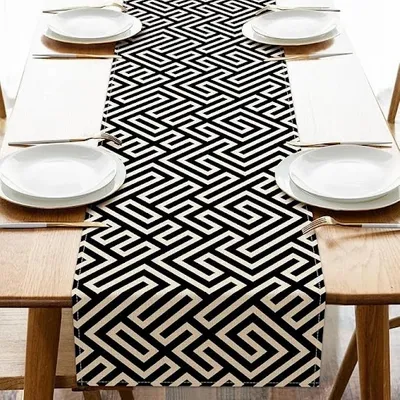
Work with us to create custom print table runners to add an extra dimension to your table setting as you and your family dine.
Learn moreHow To Set A Table In American Style Step By Step?
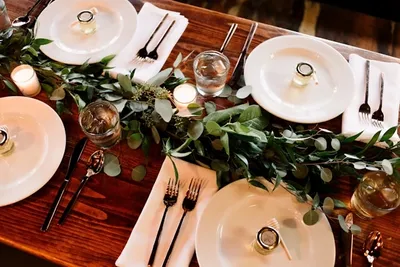
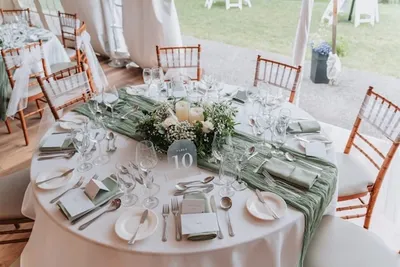
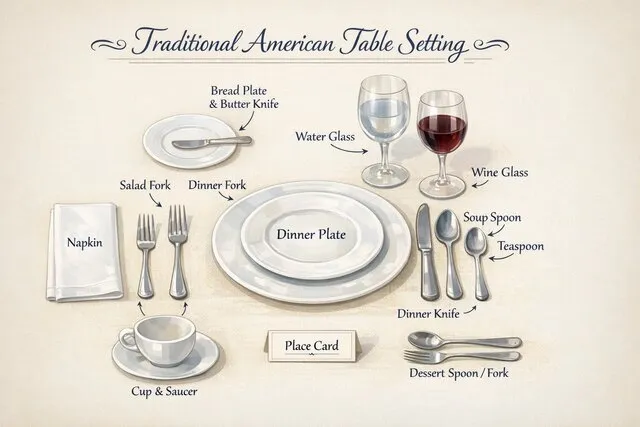
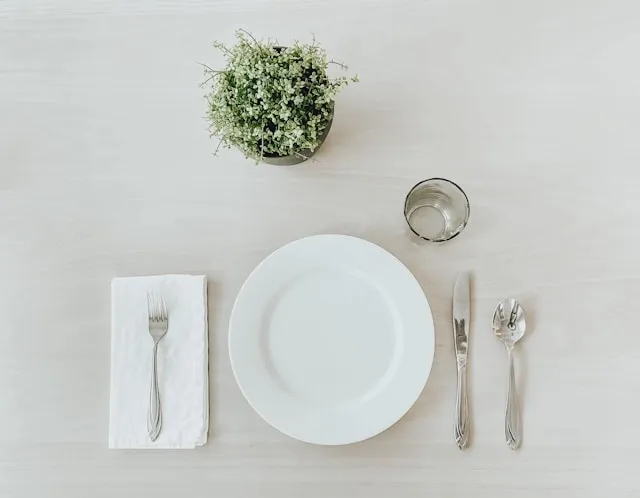
When setting an American table setting, we begin with the dinner plate centered in front of the chair. The fork is placed to the left, knife to the right with the blade facing inward, and the spoon to the right of the knife if needed. Glassware sits above the knife.
This order is not decorative; it follows how we naturally reach for utensils. Consistency is important in American dining. Every place should mirror the next so guests feel oriented immediately.
The American table set up is built on usability. If we keep placement logical and aligned, the table looks intentional without appearing rigid or complicated. You can support this with certain additions like:
- Table runners
- Placemats
- Coasters
Explore how to decorate with table runners and discover ways to combine the practicality of the American table setting with more decorative setups.

How To Set The Table In The USA For Everyday Meals?
For daily meals, the American table setting becomes simpler. We often use just a plate, fork, knife, and a single glass. Many families skip the bread plate or extra flatware unless the menu requires it.
The American place setting remains structured, but relaxed. In casual homes, custom premium linen luncheon napkins may rest beside the fork or directly on the plate. The goal is function over formality.
We recommend maintaining alignment even in informal settings. That is a small detail that creates visual balance. Everyday american style table setting is less about strict etiquette and more about creating a space that feels orderly and comfortable.
How To Set A Table In American Style For Guests?
Hosting introduces refinement. When we prepare an american table setting for guests, additional elements appear. From extra utensils to more decorative glassware, here are some things that might come into play:
- A bread and butter plate is placed above the forks.
- Extra utensils reflect multiple courses.
- Glassware may include water and wine glasses.
- Symmetry becomes more noticeable.
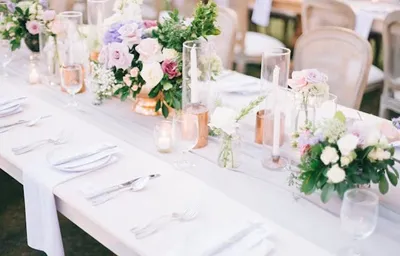
While the structure stays consistent with American table service, presentation gains importance. Napkins are folded neatly, often placed to the left or centered on the plate. The overall arrangement should feel composed, not crowded.
In our experience, thoughtful spacing makes guests feel welcomed without overwhelming them with unnecessary pieces. If you want something to make your American table setting special for guests, consider our custom print-on-demand tablecloths for a bespoke look that is built to last.
Where Does Each Item Go In An American Place Setting?
Placement follows logic tied to hand dominance and service flow. In a standard American place setting, forks go on the left because most diners use them in the left hand while cutting. Knives and spoons sit on the right.
Glasses are placed above the knife, reachable yet unobtrusive. A diagram of American service place settings will often illustrate this symmetry clearly. A 2003 study explored commensal eating practices, such as family meals, and the importance of consistency is clear.
Consistency reduces hesitation. When every setting matches, diners instinctively know where to reach. The American table setting arrangement is built on predictability, and that predictability supports comfort and smooth dining interaction.
Where Does The Napkin Go In An American Setting?
Napkin placement varies slightly depending on formality. In casual American table set up arrangements, the napkin typically rests to the left of the fork. In more formal settings, it may sit centered on the plate.
Both options align with American table service conventions. The decision often reflects visual balance rather than strict rule. We advise keeping placement consistent across all settings as this creates a visual rhythm that strengthens the overall presentation.
While etiquette once dictated specific folds, modern American style table setting allows flexibility, provided the arrangement remains neat and intentional.
Does Glass Go On Left Or Right In An American Setting?
In an American table setting, glassware belongs on the right. Specifically, it is placed above the knife, aligned slightly forward. This positioning corresponds with dominant hand usage and prevents crossing arms during the meal.
American table service consists of plated delivery, so glass placement does not interfere with serving. Common mistakes include:
- Placing the glass too far from the plate.
- Aligning your glass with the fork.
In his research paper “The Semiotics of Fast and Junk Food”, Danesi examines the role of this type of dining - something that doesn’t clearly align with more traditional dining etiquette in America.
When you position your glass incorrectly, it disrupts the layout logic. The right side placement maintains structural harmony and reflects the consistent rules found in most diagrams of American service place setting guides.
Does The Bread And Butter Plate Go On The Left Or Right?
The bread and butter plate traditionally sits above the forks on the left side. Its placement corresponds with the left hand used to hold bread while the right spreads butter. In a complete american table setting arrangement, this plate balances the glassware on the right.
Not every meal requires it, as it isn’t an essential part of every meal:
- For casual dining, it is often omitted.
- In formal american table service, however, it completes the layout.
Keeping the bread and butter plate aligned above the forks ensures clarity and prevents overlap with the main dinner plate area. This kind of organization is important for the efficiency of American table setting.
Why Do Americans Place The Napkin To The Left?
Historically, napkin placement evolved from utensil logic. In American place setting traditions, placing the napkin to the left keeps it accessible without interfering with knife placement. It aligns with fork positioning and creates visual symmetry.
Experts note the importance of where we eat. While modern American table setting practices allow flexibility, the left placement remains common because it feels intuitive. Etiquette conventions favor practicality.
We find that maintaining this structure simplifies both setting and clearing the table. Even when style varies, the reasoning behind napkin placement is based around ease of use and maintaining a sense of order.
Interested in different tablecloth materials?
With our service, you can create custom polyester tablecloths or choose from other materials to optimize your American table setting.
What Are The Basic Rules For American Table Setting Arrangement?
The American table setting arrangement follows a few foundational principles. Beyond helping come up with dining tablecloth ideas for home, these guide the placement and orientation of your utensils, glassware, and plates:
- Utensils are placed in the order of use from the outside inward.
- Glassware aligns above the knife.
- Plates are centered with the chair.
These rules reflect the structure of American table service. They reinforce predictability and reduce confusion.
When you think about etiquette here, it is not about rigidity, it is about clarity. When each diner sees the same layout, movement around the table feels natural. It is an arrangement that promotes efficiency without sacrificing presentation.
What Are Common Table Setting Mistakes To Avoid?
Common mistakes in American style table setting include reversing utensil placement, misaligning glassware, or overcrowding the table with unnecessary pieces. These errors often happen when people mix elements from other service styles.
Reviewing a diagram of American service place settings can clarify correct alignment. Another frequent issue is inconsistent spacing between settings. Uneven placement disrupts symmetry and comfort.
We recommend that you measure visually before guests arrive. Small adjustments create a noticeable difference. You should also think about your tablescaping, like using custom outdoor table covers for al fresco dining or table runners to help define place settings.
Attention to alignment and simplicity prevents most errors.
Frequently Asked Questions About American Table Setting
What Is American Table Setting?
An american table setting is a dining arrangement designed for plated service, where food is prepared in the kitchen and served ready to eat. It emphasizes practical utensil placement and balanced structure.
How To Set A Table In American Style Step By Step?
Center the plate, place forks on the left, knives and spoons on the right, and position the glass above the knife. Maintain alignment and consistent spacing across all settings.