

How To Make A Table Runner? Easy DIY Steps, Fabric Tips, Sizing, And Techniques
Creating a table runner remains one of the most versatile decor projects for any home in 2026, allowing you to customize colors, lengths, and more. Whether you prefer a traditional or modern look, DIY table runner methods are accessible and rewarding.
In this guide, we look at the proper tools, techniques, and measurements to ensure your project turns out clean and professional. With clear table runner directions, even beginners can create your own table runner confidently and produce beautiful pieces.

Key Takeaways
- Learning how to make a runner for a table begins with understanding the essential planning steps like choosing the right materials and measuring accurately.
- DIY table runner projects vary in complexity, so beginners can start with easier designs while more advanced sewists explore intricate piecing and quilting.
- The most easy-to-make table runners follow structured methods including seam allowances, even pressing, and clean finishing.
- We supply high-quality custom table runners so you can work with us to bring your vision to life without the hassle of DIY sewing techniques, and even order in bulk.
Table of contents
-
How To Make A Table Runner?
-
How Do You Sew The Main Body Of A Table Runner?
-
How Do You Make A Table Runner For Beginners With The Easiest Methods?
-
How Many Yards Of Fabric Do You Need To Make A Table Runner?
-
What Batting Or Backing Should You Use Inside A Table Runner?
-
What Sewing Steps Are Needed To Assemble And Finish A Table Runner?
-
How Do You Piece A Table Runner Pattern Before Sewing It Together?
-
What Tips Can Help You When Making A Table Runner?
How To Make A Table Runner?
Before you dive into sewing, understanding how to make a table runner starts with a thoughtful planning phase. Start by deciding the overall look you want, with options including festive, elegant, minimalist, or rustic.
The concept and style determine your fabric type, pattern, and construction method. Let’s look at other key considerations:
- Table size: You need to understand your table’s proportions to make your own table runner with the correct length, width, and drop.
- Shape: Drafting dimensions is particularly important if you plan to create your own table runner in a non-traditional oval, pointed, or scalloped shape.
- Complexity: Simple runners involve straightforward sewing, while pieced runners incorporate multiple fabrics and patterns.
Whatever approach you take, your custom linen table runners will look best with precise cutting, durable stitching, and proper finishing techniques. Taking time to sketch your design will help streamline the process.
How Do You Measure And Cut Your Fabric Correctly For A Table Runner?
Accurate measuring is essential to every DIY table runner tutorial because fabric errors quickly compound and affect the final shape. Start by measuring the length of your table, then add the preferred drop on each end - typically between 6 and 12 inches. This determines the length of your runner.
For width, most makers select 12 to 18 inches, depending on table size. Seam allowance must also be considered - experts will tell you it is necessary to keep seams strong and edges from fraying. It is usually an additional ¼ to ½ inch per side.
Use a clear ruler and rotary cutter to maintain straight edges, which is crucial for easy-to-sew table runner designs. When learning how to make a table runner, always double-check your measurements before you cut, as fabric waste can impact your project budget.
Mark clearly, cut decisively, and keep your fabric square to ensure clean, professional results.
| Table Type | Typical Table Dimensions | Recommended Runner Width | Recommended Runner Length | Drop at Each End |
| 4-Seater Dining Table | 36"–48" long | 12"–14" | 48"–72" | 6"–12" |
| 6-Seater Dining Table | 60"–72" long | 14"–16" | 72"–96" | 6"–12" |
| 8-Seater Dining Table | 84"–96" long | 14"–18" | 96"–120" | 8"–12" |
| 10-Seater Dining Table | 108"–120" long | 16"–18" | 120"–144" | 10"–12" |
How Do You Sew The Main Body Of A Table Runner?
Sewing the main body of a table runner involves choosing the appropriate stitching technique for your skill level. Beginners following easy DIY table runner methods can rely on a standard straight stitch, while intermediate sewists might use decorative stitches to add character.
Here’s how to make the main body of the best table runners:
- Alignment: Align your fabric pieces with right sides together if your pattern includes multiple panels.
- Seam allowance: Keep it consistent as uneven seams distort the shape.
- Pressing: Press the seams open to create a smooth surface and prevent bulk, especially in pieced table runner making.
- Topstitching: If your design requires this, apply it carefully for clean detailing.
Understanding how to make a table runner includes mastering these core sewing steps for a durable and attractive finished product. And, fundamentally, the design should align with your custom cloth dinner napkins or other surrounding decor.
How Do You Finish The Edges Of A Table Runner?
Finishing edges is crucial to achieving a polished DIY table runner - key to how to display table runners at craft show booths and other functions. Hemming is the simplest method: fold the fabric’s raw edge under twice and press firmly before stitching.
More advanced makers may prefer the “turn and flip” method, which creates crisp, reversible edges by sewing right sides together and turning the runner inside out. Press seams sharply for clean lines. Decorative binding adds visual interest and works well for quilted or pieced runners.
When learning how to make easy table runners, avoid common mistakes like:
- Uneven hems
- Untrimmed threads
- Poorly pressed folds
Proper edge finishing enhances both durability and appearance, making your DIY table runner look professionally constructed.
Want a quicker solution for a personalized table runner?
Use our service to add your unique design to custom table runners and have them professionally manufactured.
How Do You Make A Table Runner For Beginners With The Easiest Methods?
Beginner-friendly table runners prioritize simplicity, requiring minimal measuring, cutting, and stitching. Easy-to-make table runners typically use one continuous piece of fabric, making them ideal for new sewists learning how to make a runner for a table.
Succeed without advanced techniques by choosing the following:
- Straight seams
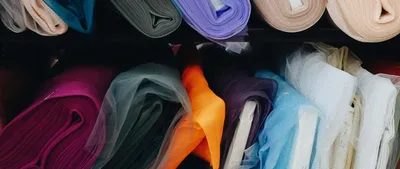
- Light-to-medium-weight cotton
- Simple hemmed edges
A DIY coffee table runner or small seasonal runner is a great first project because it requires less yardage and shorter seams. Avoid stretchy or slippery fabrics, as these complicate construction.
Beginners should follow a clear DIY table runner tutorial to establish confidence before experimenting with pieced designs. With the right approach, you can create your own table runner in under an hour.
If you want the simplest solution available, you can work with us to create custom personalized wedding table runners and many other varieties with a professional touch. We craft to your exact specifications and add bespoke designs to ensure your vision is brought to life.

Get the perfect table runners for your Christmas event
With our personalized Christmas table runners, you can get any size, style, and quantity you need for the festive season.
Learn moreHow Many Yards Of Fabric Do You Need To Make A Table Runner?
Fabric requirements depend on table size, runner length, and desired drop. Standard dining tables usually require between ½ and 1¼ yards of fabric when creating an easy DIY table runner, while wider runners or oversized designs might require up to 1½ yards.
When learning how to make a table runner, always calculate length plus seam allowance and consider the full width of fabric - typically 42-44 inches. Efficient layout planning helps reduce waste, particularly in table runner making where long, narrow cuts are common.
Additional yardage is necessary for designs that include:
- Backing
- Piecing
- Batting
With careful planning, like understanding whether a table runner has to hang over the edge, you can ensure you purchase exactly what you need without overspending.
What Is A Good Size For A Table Runner?
A good table runner size depends on the table’s shape, length, and how much decorative “drop” you want at each end. Most DIY table runner tutorials recommend widths between 12 and 18 inches for suitable coverage without overwhelming the tabletop.
Researchers note that table runners serve both functional and decorative purposes, and size is key to both. For length, measure the table and add 12-24 inches to allow for an elegant overhang.
When learning how to make a runner for a table, consider the style of your dining area:
- Formal spaces: These often feature longer runners.
- Casual rooms: These may use shorter designs.
Coffee tables and consoles require narrower runners, and custom sizes can easily be achieved when you create your own table runner. Proper sizing enhances proportions, highlights decor, and ensures your piece integrates beautifully.
What Batting Or Backing Should You Use Inside A Table Runner?
Batting and backing materials enhance the structure, texture, and durability of a handmade table runner. Batting adds loft, making quilted styles feel substantial, while backing stabilizes the underside and protects the table surface.
Popular batting choices include:
- Cotton
- Polyester
- Blends
Each offers different thickness and warmth.
Lightweight batting is ideal for easy-to-sew table runner designs since it prevents bulk and improves stitch control. Backing fabrics are typically cotton or linen, providing a smooth finish. Research shows that seam structure influences strength, so make the right choice for this.
When exploring how to make a table runner, choose batting based on your desired aesthetic - flat, lightly cushioned, or fully quilted. Your selection will influence overall drape, weight, and ease of sewing.
Some DIY tutorials recommend skipping batting for minimalist designs, but structured runners benefit greatly from its support.
Can You Make A Table Runner Without Batting?
It is possible to make your own table runner without batting, and many modern designs intentionally avoid inner padding for a sleek, low-profile look. A flat runner drapes naturally and requires less sewing skill, making it ideal for beginners learning how to make easy table runners.
Without batting, your fabric choices gain greater importance because the runner’s structure will depend entirely on material weight and stability. Good options include:
- Medium-weight cotton
- Linen
- Home-decor fabrics
The absence of batting also speeds construction, allowing you to complete a quick and easy table runner rapidly. However, when you skip batting choices, it may reduce thickness and impact durability, particularly on heavily used tables. You may want to incorporate things like placemats and custom pulpboard coasters for extra protection.
Looking to create an elegant table runner design?
Eliminate the DIY hassle by ordering personalized monogram table runners from us to bring your design to life.
What Sewing Steps Are Needed To Assemble And Finish A Table Runner?
Assembling a table runner requires a combination of precise sewing steps that apply regardless of design style. After measuring and cutting, stitch the main body using consistent seam allowance to maintain symmetry.
From here:
- Press seams flat: This helps to reduce bulk and improve appearance, essential even in simple DIY table runner projects.
- Trim corners: Do this before turning the runner right-side-out to achieve crisp points, especially in pointed-end designs.
- Topstitch: This adds durability and a polished finish - something that many easy-to-make table runners benefit from.
Follow your table runner directions closely and check alignment as you sew. Studies have found that decorative fabrics create a timeless and sophisticated look, but the foundational steps ensure even novice sewists can learn how to make a table runner with a professional look.
Maintain patience and precision to achieve the best results.
Get large quantities of identical table runners
When you order custom bulk table runners from us, you can get multiple identical pieces with wholesale discounts.
Get startedHow Do You Piece A Table Runner Pattern Before Sewing It Together?
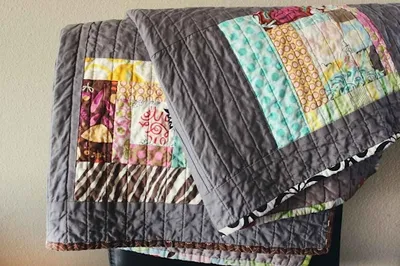
Piecing involves sewing multiple fabric segments together to form a cohesive design, commonly used in quilted runners. Start by choosing a color scheme or pattern layout that suits your decor and complements the table.
Let’s look at some more tips for this:
- Cut fabric pieces accurately, following the dimensions on your chosen DIY table runner tutorial.
- Pay close attention to seam matching - even slight misalignment affects the finished look.
- Sew pieces with consistent seam allowances and press seams between additions to maintain flatness.
Pieced runners offer endless creative possibilities, allowing you to create your own table runner with personalized flair. Studies have found that aesthetic interiors promote calmness and well-being, and table runners can play a key role in this.
Mixing prints, textures, and colors enhances visual interest and helps transform simple designs into statement pieces.

What Tips Can Help You When Making A Table Runner?
Successful table runner making comes from preparation, patience, and practice. Pre-washing fabric prevents shrinkage and ensures accurate sizing. Let’s look at some more tips for successful table runner making:
- Sharp rotary cutters and rulers ensure precision, especially with easy DIY table runner designs.
- Use clips rather than pins for bulky seams to avoid fabric distortion.
- Slow and steady stitching helps maintain straight lines.
- Keep your iron nearby as pressing after each step produces clean, crisp results.
- Troubleshoot errors calmly - crooked hems or uneven widths can often be corrected before final stitching.
Creativity is encouraged when creating your own custom print table runner. This process allows for experimentation with seasonal themes, textures, and bold prints. If you want to guarantee professional results, use our service to do the creation for you.
Remember that mastering how to make a table runner takes time but it becomes easier with each project.
Frequently Asked Questions About How To Make A Table Runner
How To Make A Table Runner For Beautiful Results?
Achieving beautiful results starts with careful planning, accurate measurements, and thoughtful fabric selection. Choose complementary colors and textures, and follow a structured tutorial for best results.
How Hard Is It To Make A Table Runner For A First-Time Sewer?
Table runners are considered ideal beginner projects because they require straight cuts, simple seams, and minimal pattern complexity. Follow an easy-to-sew table runner design and enjoy great results.