

Can You Iron Burlap Table Runners? Safe Wrinkle Removal Explained
Yes, most burlap runners can be ironed, with conditions. Burlap is most often jute: stiff, absorbent and easy to scorch. A hot iron left still on a dry runner will do more damage than the wrinkles it came to fix. In this guide, we walk you through the safe heat range, the steam trick that does most of the work, the alternatives when an iron is wrong, and the warning signs to stop.
Key Takeaways
- Most plain burlap runners iron safely on low to medium with steam and a pressing cloth, moving the iron continuously; dyed, printed, glued or backed runners need low heat from the reverse or a no-heat method.
- Damp beats dry. Jute has poor crease resistance and its plant fibres relax when they absorb water, so a light mist plus steam removes more wrinkles than a hot dry iron does.
- Sharp fold creases can fracture textile fibres, so store burlap runners rolled on a tube, never folded into the same lines between events.
- We supply high-quality custom dye-sublimated polyester and spandex runners that iron on low or steam and store rolled, so the wrinkle problem burlap creates doesn't repeat with us.
Table of contents
-
Can You Iron Burlap Table Runners?
-
How Do You Get Wrinkles Out Of Burlap Table Runners?
-
Can You Use Steam Or Water To Remove Wrinkles From Burlap?
-
What Are The Best Alternatives To Ironing Burlap Table Runners?
-
How Should You Prepare A Burlap Table Runner Before Ironing?
-
How Can You Prevent Wrinkles From Returning To Burlap Table Runners?
-
How Can You Avoid Damaging Burlap When Removing Wrinkles?
-
Can You Iron Decorated, Dyed Or Printed Burlap Table Runners?
Can You Iron Burlap Table Runners?
Yes, most burlap table runners can be ironed with controlled heat and a pressing cloth, and no, they cannot take a hot dry iron. Burlap is a coarse woven fabric made from jute, a plant fibre that is stiff, absorbent and easy to scorch. Untreated jute is roughly 60% cellulose, 24% hemicellulose and 14% lignin, and its hemicellulose begins to degrade around 250 to 290°C according to a 2024 paper in Polymers, which is above household iron plate temperatures but close enough that dwell time on the fabric matters.
Always check the care label first: dyed, printed, laminated or decorated runners may need a lower setting or no heat at all. Follow any no-iron instruction. If the construction is unclear or the runner is fragile, start with light, even weight while it lies flat.
We don't make burlap runners; we print polyester and spandex ones. But on the event tables we set, burlap arrives folded in a box and the fold lines are the job.
How Do You Get Wrinkles Out Of Burlap Table Runners?
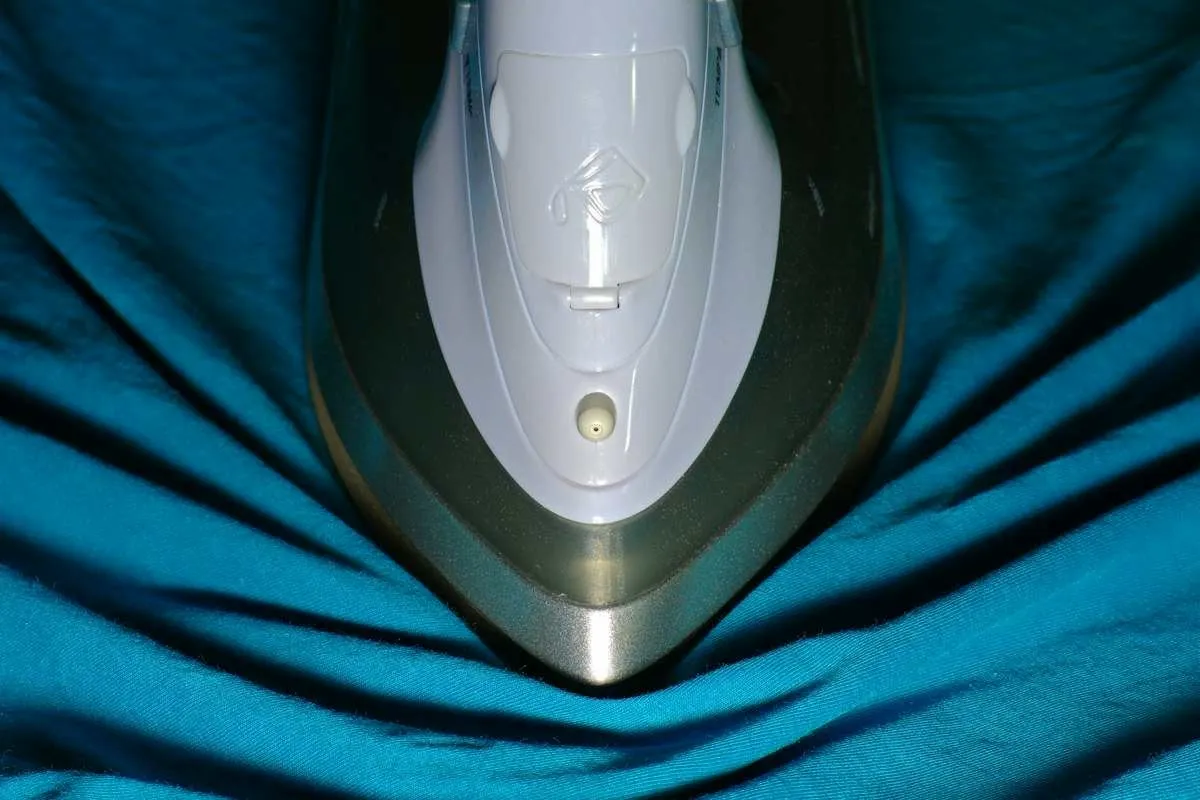
Work one wrinkled section at a time on a flat surface, dampen the fabric lightly, apply low-to-medium heat with steam and a pressing cloth, keep the iron moving, and let the runner cool flat before you move it.
- Lay the runner flat on an ironing board or a clean, padded surface.
- Mist lightly with clean water or use the iron's steam setting; damp, not soaked.
- Place a pressing cloth (a plain cotton tea towel) over the section you're working.
- Set the iron to low to medium and move it in short passes, never stationary more than 2 to 3 seconds.
- Work section by section, checking each pass for scorching or shine.
- Let the runner cool and dry flat before folding or laying it on a table.
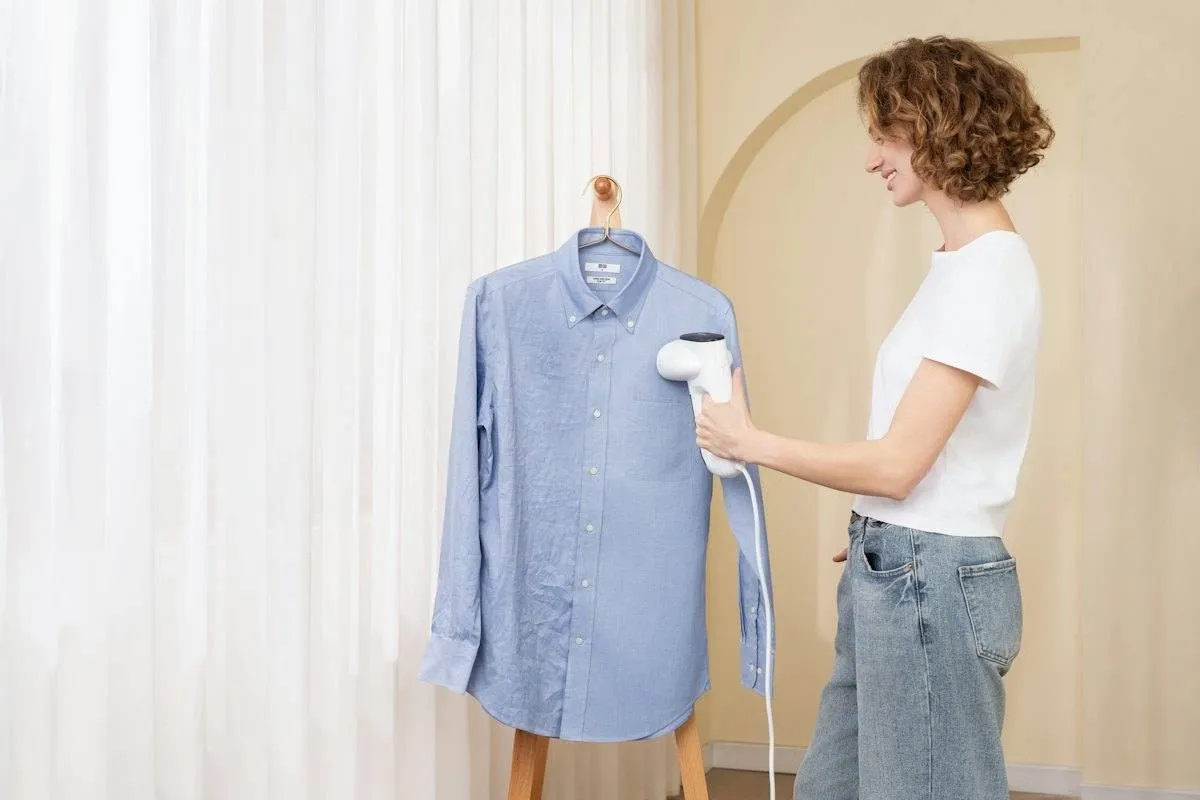
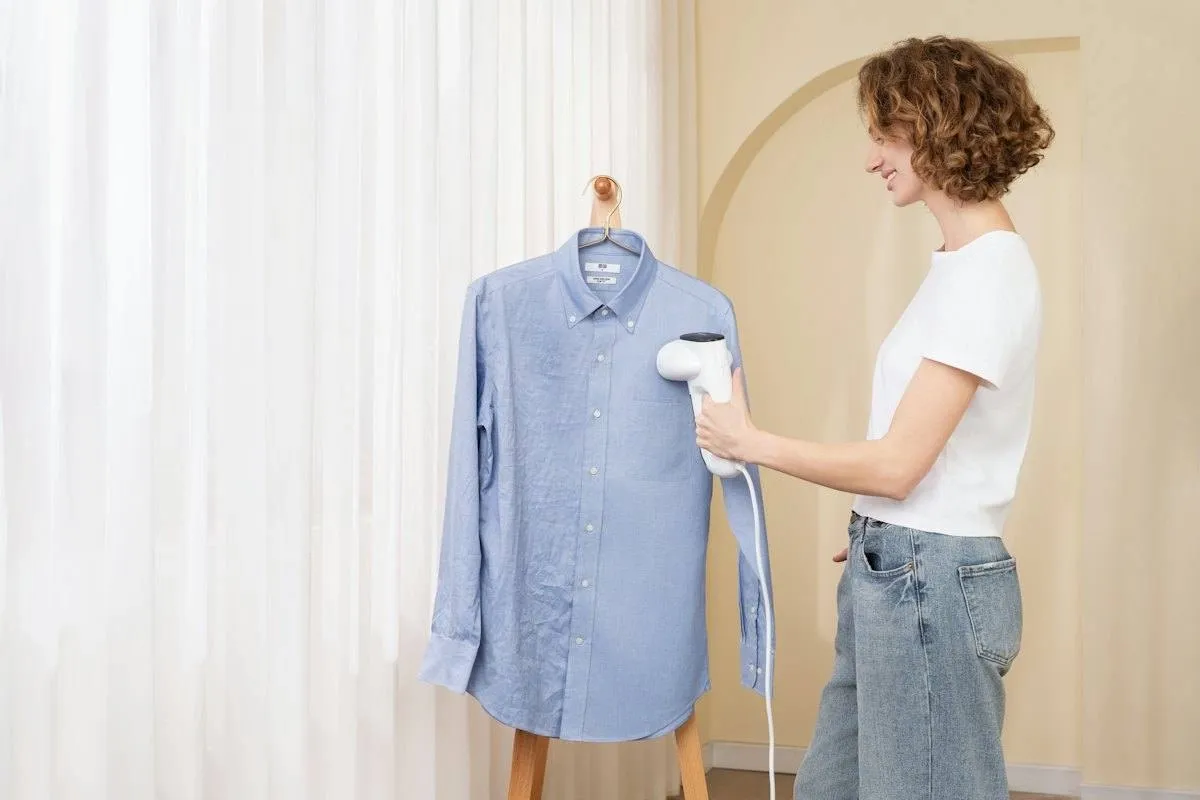
Light fold marks may relax on their own once the runner is laid flat overnight. Deep creases need heat, steam or pressure. We've found a handheld steamer on the laid table beats an iron when there are twenty runners and forty minutes.
What Is The Safest Way To Remove Wrinkles From Burlap?
Low-heat ironing with steam and a pressing cloth is the safest active method for plain burlap. Light steaming (no direct contact) is safest for delicate, decorated or backed runners. Weighted flattening is safest for anything you can't risk heat on. Choose the least aggressive method that removes the visible crease. Avoid excessive moisture, heat and pressure; each one is a way to damage jute permanently. Guidance from the University of Florida IFAS Extension on ironing versus pressing notes that a pressing cloth prevents sheen and scorching, and that a blend should be set for the most heat-sensitive fibre.
Need Runners That Iron Low And Store Rolled?
Our custom table runners are dye-sublimated polyester, wrinkle-resistant, machine washable and iron on low or steam, so event setup takes fewer minutes.
Can You Use Steam Or Water To Remove Wrinkles From Burlap?
Yes, and light moisture usually removes more wrinkles than dry heat. Plant fibres absorb water through their hydroxyl groups and swell, according to a 2023 paper in Polymers on moisture absorption in plant fibres, which is why damp burlap flattens where dry burlap resists. But there's a line: controlled moisture (a fine mist or steam) relaxes fibres; soaking the runner shrinks, warps, stains or distorts it. Jute loses strength when wet, so never stretch a wet runner. Dry the piece completely on a flat surface before returning it to a table or storage.
Can You Use A Steamer On Burlap Table Runners?
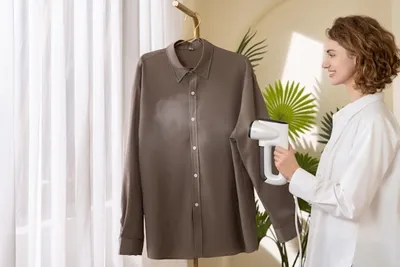
Yes, and a handheld steamer is often the better tool for delicate runners. Steaming avoids direct contact between the hot soleplate and the fabric, which removes the scorch and shine risks. Keep the steamer several inches away and move it continuously; do not concentrate steam on one spot or saturate the burlap. Let the runner dry completely before placing it on the table so no damp patches transfer to the wood or cloth beneath. Our guide to steaming tablecloths covers the same technique for the layer underneath. A useful tip we learned the hard way: steam creates humidity in the room, which softens the batching-oil smell burlap sometimes carries and moves it into the air; air the runner outdoors first if the smell is strong, or the steaming step concentrates it around the tables during setup.
Printing A Design That Has To Hold Through Storage?
Our custom print table runners keep sharp print through repeated washes and roll storage, and never need the aggressive ironing burlap demands.
Learn moreWhat Are The Best Alternatives To Ironing Burlap Table Runners?
Weighted flattening, steaming on the laid table, and hanging the runner in a steamy bathroom are the three main alternatives. They matter for delicate, decorated or backed runners where heat is a risk. Steam works faster than weight but needs equipment; weight works slowly but needs none.
| Runner | First method | Test location | Stop if you see |
|---|---|---|---|
| Plain, sound, unbacked | Lay flat; then low iron, pressing cloth and light steam if needed | Hidden hem | Yellowing, shine, crushed weave or toasted smell |
| Dyed | Lay flat; test distant steam if needed | Hidden dyed area | Color transfer, bleeding or water marks |
| Printed | Lay flat; test distant steam if needed | Hidden printed edge | Print transfer, softening or puckering |
| Glued or embellished | Light, even weight; avoid pressing raised details | Hidden decorated edge before adding moisture | Lifting glue or distortion |
| Backed, lined or coated | Light, even weight | Hidden area including the backing before adding steam | Curling, bubbling or seam puckering |
Can A Weighted Method Flatten A Burlap Table Runner?
Yes, and it is the safest method for a delicate or decorated piece. Lay the runner completely flat on a clean, dry surface. Cover with smooth, evenly distributed weight (books, a flat board with weights, or a stack of magazines). Leave the runner weighted for approximately 24 to 48 hours. Check progress at 12 and 24 hours; do not add so much pressure that the weave flattens permanently. The weighted method works because textile fibres slowly release stress when held in a new position, no heat required. Use this method first when the runner has come out of long storage, or when the piece is old, thin or already frayed at the edges.
How Should You Prepare A Burlap Table Runner Before Ironing?
Preparation before applying heat is what prevents most damage. Remove loose dirt, lint and surface debris with a soft brush or lint roller. Ensure the runner is properly positioned, dry and free from unnecessary distortions. Address stains first, because heat can set some marks permanently. Test an inconspicuous section (a corner, the hem) with the settings you plan to use before treating the visible surface. Use the planned pressing cloth and moisture, starting at the lowest permitted iron setting; make one brief pass. For steaming, try one short burst from a distance. Let the area cool and dry, then check both sides and the pressing cloth for color transfer, shine, yellowing, water marks, puckering or backing changes. Stop that method if anything changes. If it passes, work one visible section at a time and keep checking.
Guidance from the Canadian Conservation Institute on caring for textiles notes that mold can develop in only a few days at 90% relative humidity, so never iron burlap that smells musty; air it outdoors first, or consult our guide to removing mold from tablecloths for cleaning first.
Should You Iron The Front Or Back Of A Burlap Table Runner?
Iron the reverse side when possible. This protects the visible surface from the direct heat of the soleplate, which reduces the risk of scorching, shine and flattened fibres. Use a pressing cloth if the front must be treated. Take extra care around printed or decorative areas: those sections need lower heat, more distance, or a steamer instead. On backed or lined runners, always iron the burlap side, never the backing side, because the backing usually has a lower heat tolerance. When the back and front look identical (plain undecorated burlap), pick the side facing away from the room when the runner is on the table, so any small pass mark ends up down.
Ordering Runners In Bulk For A Full Venue?
Our custom bulk table runners cover dozens of tables at the same per-unit price, with a free digital proof before we print each design.
How Can You Prevent Wrinkles From Returning To Burlap Table Runners?
Handling and storage decide how flat the runner sits the next time you use it. Wrinkle prevention belongs to routine care, not event-day panic. Store the runner clean and completely dry. Avoid repeatedly folding the same areas, because sharp fold creases can fracture fibres, according to the Canadian Conservation Institute, and once fractured those fibres never fully recover. On the burlap runners we've been asked to salvage, the fold-line creases were the ones we couldn't erase.
How Should You Store A Burlap Table Runner To Keep It Smooth?
Roll the runner around a clean tube whenever possible. A poster tube, a paper towel roll (for smaller runners) or a fabric-covered dowel works. Store in a cool, dry area away from direct sunlight and moisture; sunlight fades dye and weakens fibres over months. Avoid placing uneven or heavy objects on top of the roll. Careful rolling reduces the repeated fold lines that create permanent-looking creases. Our guide to storing tablecloths and covers covers the same rolling method for the cover layer. Between events, unroll the runner 24 hours ahead and lay it flat under the tablecloth stack; the weight from above finishes what rolling started, and the runner reaches the venue already relaxed.
Want The Wider Tablecloths That Sit Under The Runners?
Our custom polyester tablecloths are wrinkle-resistant, easy to launder and pair with any runner width for a coordinated setting.
Get startedHow Can You Avoid Damaging Burlap When Removing Wrinkles?
The four main risks are excessive heat, moisture, pressure and repeated ironing. Each causes a different kind of damage: heat scorches and discolours, moisture warps and stains, pressure crushes weave, and repeated ironing gradually weakens fibres. Use short passes and check the fabric frequently. Older or weakened burlap needs especially gentle treatment; if the runner is decades old or has stored badly, start with the weighted method rather than heat. Never rest a hot iron on burlap. Jute is described as "highly flammable" in the 2024 Polymers paper on flame-retardant treatment, so keep the runner away from candles and open flame during and after ironing. Our guide to getting wrinkles out of polyester tablecloths covers the far friendlier fabric alternative for repeat use.
What Are The Warning Signs That An Iron Is Damaging Burlap?
Yellowing, dark spots, unusual shine, flattened fibres and a tightened weave are the visible warning signs. A burning or toasted smell means overheating; stop immediately, lift the iron, and let the section cool. Some heat damage is permanent: scorched jute does not recover its natural color, and flattened weave rarely regains its original texture. If the warning signs appear, switch to a lower heat setting or a no-heat method, or replace the runner with a fabric that behaves better under an iron. The burlap we've seen ruined wasn't scorched by a hot dial; it was an iron left still for about ten seconds on a dry, dyed runner, which is why the dwell-time rule (never more than 2 to 3 seconds in one spot) matters more than the dial number itself.
Now, here is a quick pick to match the method to your runner.
Work with us on wrinkle-resistant custom table runners in dye-sublimated polyester, cut to any size, sharp on color and easy to iron on low or steam. Roll to store, machine wash, done in minutes.
Can You Iron Decorated, Dyed Or Printed Burlap Table Runners?
With caution and lower heat. Dyes, printed designs and decorative elements change the runner's heat tolerance. Risks include color transfer to the pressing cloth, fading of prints under repeated heat, adhesive softening on glued decorations, and damage to sequins, ribbons or embellishments. Test an inconspicuous area with the settings you plan to use before touching the design. Follow the care label and manufacturer's instructions where available, because the decoration usually has a lower ceiling than the burlap itself.
Can You Iron Burlap Table Runners With Backing Or Lining?
Usually only on the burlap side and only on the lowest effective heat. The backing may have a lower heat tolerance than the burlap, especially with synthetic backings, coatings or adhesive layers. Adhesive can soften and lift under an iron; foam backing can melt. Use the lowest effective heat or choose a no-heat method. Test both the burlap and the backing on a hidden section before ironing the visible surface. For heavily backed runners the safe move is often no iron at all; use a handheld steamer or the weighted method. On the backed runners we've seen ruined, the burlap held up but the glue seams behind the print puckered under a low iron, and the print bulged along the seam. Treat backing as the weakest link in the sandwich.
Frequently Asked Questions About Can You Iron Burlap Table Runners
How To Iron Burlap Table Runners?
Iron plain burlap on low to medium with steam and a pressing cloth, keeping the iron moving in short passes and never stationary more than a couple of seconds. Iron from the reverse side where possible, and let the runner cool flat.
How Can You Remove Wrinkles From Burlap Table Runners?
Choose the least aggressive method: light iron with a pressing cloth, a handheld steamer several inches away, or 24 to 48 hours flat under smooth weight. Dyed, printed or backed runners need the steamer or weighted method, not a hot iron.