

Knit Table Runner Ideas, Patterns And Beginner-Friendly Styling Tips
A knit table runner brings a softer kind of style to a room. Fabric runners look crisp, but knitted ones add texture and warmth. In this guide, we explore how the right yarn, size, and stitch pattern can make knit table runner ideas feel personal without looking amateur.
Key Takeaways
- A knit table runner is usually a long knitted rectangle used to add texture, warmth, and style to a table or flat display area.
- Beginners should start with simple stitches, medium-weight yarn, and a straight rectangle before trying lace or complex pattern repeats.
- Cotton works best for dining tables, while wool, acrylic, and chunky yarns are better for decorative runners and cozy seasonal styling.
- We supply high-quality custom table runners in a range of shapes and sizes that you can personalize at affordable prices to decorate your tables.
Table of contents
-
What Is A Knit Table Runner?
-
How To Knit A Table Runner For Beginners?
-
What Are The Best Knit Table Runner Patterns For Every Skill Level?
-
What Makes An Easy Knitted Table Runner Pattern Ideal For Beginners?
-
Which Lace Table Runner Knitting Patterns Create Elegant Decor?
-
Which Handmade Knit Table Runner Styles Work Best For Farmhouse Decor?
-
Which Named Knit Table Runner Patterns Are Most Popular?
-
How Can You Knit Chunky And Cozy Table Runner Designs?
-
What Is The Rule For Table Runner Placement And Styling?
-
What Kind Of Yarn Works Best For Knit Table Runner Projects?
What Is A Knit Table Runner?
A knit table runner is a long, decorative piece made with knitting needles, yarn, and a chosen stitch pattern. It differs from fabric runners because it has a stretch, texture, and visible stitch detail.
A table runner knit can feel cozy in a range of settings, including:
- Homes
- Rustic cabins
- Minimalist spaces
- Soft modern dining rooms
Handcrafted knitted table runner styles are still popular because people want decor that feels less mass-produced and more personal. Today, we are still seeing more simple patterns, chunky textures, and natural yarn colors.
A knit runner can sit down the center of a dining table, soften a coffee table, or dress a console without much effort.
How To Knit A Table Runner For Beginners?
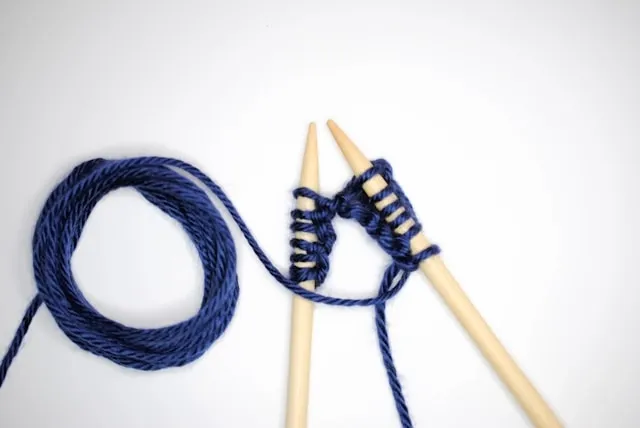
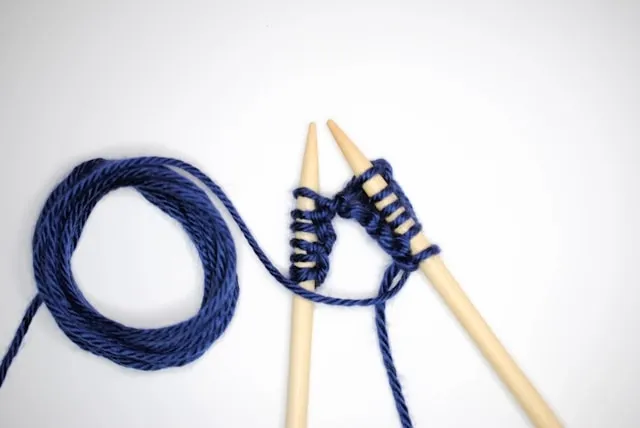
If you want to learn how to knit a table runner, start with a simple rectangle. Choose yarn, needles, and a stitch you can repeat without stress. Cast on enough stitches for the width you want, then knit until the runner reaches the right length.
Beginner-friendly stitches include:
- Garter stitch
- Seed stitch
- Ribbing
- Simple stockinette with a border to stop curling
You will need yarn, knitting needles, scissors, a tapestry needle, and a measuring tape. DIY knitted decor is forgiving because small texture changes can look intentional. We suggest practicing a small swatch first, then measuring before committing to the full runner.
Alternatively, work with us to create custom table runners with your personalized designs and take the DIY effort out of the equation at a low price.
| Table Length | Casual Runner | Formal Runner With 6" Overhang | Formal Runner With 12" Overhang |
|---|---|---|---|
| 48" | 36-44" | 60" | 72" |
| 60" | 48-56" | 72" | 84" |
| 72" | 60-68" | 84" | 96" |
| 84" | 72-80" | 96" | 108" |
Looking for a different kind of personalized table runner?
We supply high-quality custom linen table runners in any size and style you want to get the perfect look for any table.
What Are The Best Knit Table Runner Patterns For Every Skill Level?
The best knit table runner patterns match your skill level and the room where the runner will sit. Beginners should choose straight rectangles with easy stitch repeats. Intermediate knitters may enjoy basketweave, chevron, cable borders, or color-block patterns.
Lace patterns suit confident knitters who can follow yarn overs and decreases.
- Farmhouse runners often use neutral yarn, ribbed edges, and textured stitches.
- Chunky styles work well for winter tables and quick projects.
Knitting is accessible for learners and can be very satisfying with varying levels of challenge and control.
Many table runner knitting pattern options come as printable or downloadable PDFs, which helps because you can mark rows as you work. Choose the pattern for the table first, not just the photo.
Which Free Knitted Table Runner Patterns Are Worth Trying?
Free knitted table runner patterns are worth trying when you want to practice without spending money on a pattern first. Craft blogs, yarn brand websites, knitting communities, and pattern libraries often share free knitting patterns for table runners that beginners and experienced knitters can take on.
Look for patterns with clear photos, stitch counts, gauge notes, and finished measurements. If a pattern skips those details, it may be harder than it looks. Free patterns are great for learning straight edges, joining new yarn, blocking, and finishing.
We like using free designs as a test run before buying a more detailed lace table runner knitting pattern or designer PDF. Look for things that will go with your other tableware, like custom cork coasters or placemats.
What Makes An Easy Knitted Table Runner Pattern Ideal For Beginners?
An easy knitted table runner pattern works because it keeps the shape simple. A rectangle is ideal, with no shaping, no sleeves, and no fitting. Straight rows help beginners build rhythm, and simple stitches can still create elegant decor.
- Garter stitch gives a soft ridged texture.
- Seed stitch looks neat and hides small tension changes.
- A ribbed border helps the runner lie flatter.
Essentially, knitting is the process of turning yarn into flat panels, and there are so many ways to do this as a beginner.
Quick projects build confidence because you can see progress fast. Avoid thin lace yarn on your first runner unless you already knit well - medium cotton or acrylic is easier to handle. A simple knitted table runner pattern should feel calm, not like a test.
How Can You Knit A Cozy Table Runner With Bulky Wool?
Bulky wool is a strong choice when you want a cozy table runner with fast results. Larger yarn means larger stitches, so the project grows quickly. That is encouraging, especially if you do not want a weeks-long knit.
Bulky yarn also creates deep texture, which looks lovely on coffee tables, winter dining tables, and holiday displays. Use simple stitches because the yarn already brings plenty of visual weight - garter, rib, and basketweave all work well.
Keep the runner slightly narrower than usual, since thick yarn takes up space. We would use bulky wool more for decoration than messy dining, because it is not always easy to clean. And consider whether to have your table runner hang over the edge.
Create something unique for your wedding
With our service, you can create custom personalized wedding table runners without the DIY effort so your tables look just the way you want.
Learn moreWhich Lace Table Runner Knitting Patterns Create Elegant Decor?
A knit lace table runner pattern creates a lighter, more delicate look than chunky or farmhouse styles. Lace is timeless because it brings openwork, shadow, and movement to the table. If you are looking to incorporate specialty yarn at home, this could be a good solution.
Vintage-inspired runners often use leaf motifs, diamonds, fans, or scalloped edges. These can feel like heirloom pieces when made in cream, ivory, soft gray, or pale gold yarn. Lace does need more attention.
You may use yarn overs, decreases, chart reading, and blocking to open the pattern properly. It is not the easiest first project, but it is satisfying. For formal tables, lace runners look beautiful over plain tablecloths or polished wood.
Which Handmade Knit Table Runner Styles Work Best For Farmhouse Decor?
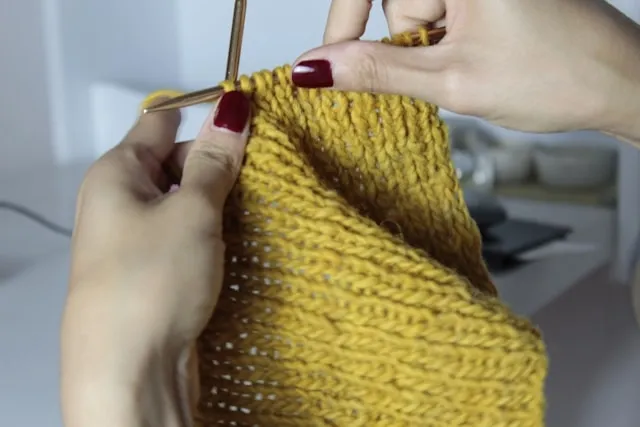
Farmhouse decor works well with knitted table runners because both lean into comfort and texture. The best styles use natural yarn tones, such as oatmeal, cream, gray, taupe, or soft brown.
Basketweave, ribbed, seed stitch, and simple cable borders all suit the look. Avoid overly shiny yarn if you want a true farmhouse feel - things that tend to look more natural include:
- Matte cotton
- Wool blends
- Rustic acrylics
A knitted table runner can sit under a wooden bowl, candles, greenery, or a ceramic vase. We like runners that look handmade but not overly busy - the charm comes from texture, not from adding too many details.
If you want to avoid the DIY effort, work with us to create custom personalized monogram table runners in polyester and enjoy diverse customization options and competitive pricing. You can also take advantage of generous bulk discounts if needed.
How Can You Customize Knit Table Runner Designs With Pom Poms Or Tassels?
Pom poms and tassels can change the mood of a knit table runner quickly. Tassels at each end feel relaxed, boho, or farmhouse, depending on the yarn. Pom poms feel more playful and work well for holiday or children’s tables.
When exploring how to decorate with table runners that incorporate pom poms or tassels, keep scale in mind:
- Small tassels can look neat.
- Oversized ones can get in the way of chairs or hang too low.
Use the same yarn for a quiet look, or choose a contrast color for more personality. You can also add fringe, crochet edging, or small stitched details. We would keep the center plain if the ends have strong decoration.
Interested in creating a unique table runner for a trade show?
Get a professional look from a custom trade show table runner and enjoy the bespoke, branded look you want at a low cost.
Which Named Knit Table Runner Patterns Are Most Popular?
Named knit table runner patterns are popular because they help knitters choose a style quickly. A pattern might be known for lace leaves, farmhouse texture, chunky cables, or a clean modern stripe.
Designer PDFs often include things like:
- Better photos
- Row-by-row instructions
- Tested measurements
This can be helpful if you want fewer surprises. Some knitters collect signature designs from favorite pattern makers in the same way quilters collect quilt patterns.
When browsing named patterns, look at the finished size, yarn weight, skill level, and user photos. A beautiful pattern in the wrong yarn can lose its shape - we always check real project photos when they are available.
How Can You Knit Chunky And Cozy Table Runner Designs?
Chunky table runners remain popular because they make a table feel warm fast. They are also quick to finish, which suits busy makers. Use bulky or super bulky yarn with larger needles, then choose a simple stitch that shows texture clearly.
Seed stitch, moss stitch, wide ribbing, and chunky cables all work well. A chunky runner looks best on larger tables, coffee tables, or benches where it has room to breathe. Keep centerpieces simple because the yarn already has volume.
For dining, remove the runner before serving messy dishes if the yarn is hard to wash. Chunky texture looks lovely, but sauce is less charming. Use things like custom cloth dinner napkins, placemats, and coasters over a tablecloth instead.
What Makes Loom Knit And Basketweave Table Runner Patterns Unique?
Loom knitting can make a table runner feel more accessible for people who struggle with needles. A long loom lets you build a flat panel with steady tension, and it can be easier on the hands.
Basketweave patterns are unique because they create a woven look using blocks of knit and purl stitches. The result has depth without needing color changes. A basketweave table runner knit pattern works well in homes that have aesthetics like:
- Farmhouse
- Rustic
- Cozy modern decor
It also hides small tension issues better than plain stockinette. For beginners, loom knitting and basketweave both offer structure. You still need patience, but the method feels friendly.
Choose a personalized table runner for your craft fair
DIY always looks great at craft fairs, but you could enjoy a professional branded presentation with custom craft fair table runners designed to your specifications.
Get startedWhat Is The Rule For Table Runner Placement And Styling?
The usual rule is to place a table runner down the center of the table, with even space on both sides. For formal settings, let it hang about six to twelve inches over each end. For casual styling, a shorter runner can sit fully on top of the table.
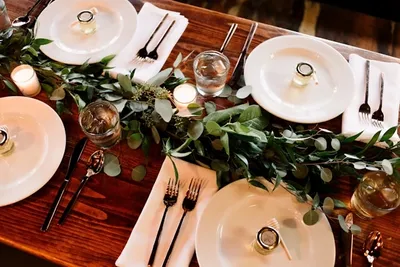
A knitted table runner should lie flat and not interfere with plates, glasses, or serving dishes. If you use a tablecloth, place the runner on top as a textured layer. The best table runners complement the surrounding tablescape elements and work on a practical level.
Centerpieces should sit along the runner, not crowd it. A simple candle group, greenery, or ceramic bowl often works better than a busy display.
What Size Should A Knitted Table Runner Be For Different Table Dimensions?
A knitted table runner should fit the table without swallowing it. For dining tables, a width of 12 to 18 inches works for many homes. Narrow tables may need 10 to 12 inches. Wider tables can handle more.
Length depends on the look you want:
- Formal runners often hang over both ends by six to twelve inches.
- Casual runners may stop before the table edge.
Coffee tables and consoles usually need shorter, narrower runners. Always measure before casting on, and remember table runners combine with placemats, coasters, cotton, hand decorations, and more on tabletops.
Knitting can stretch, and blocking can change size slightly. Make a swatch, check gauge, then calculate the finished width and length before starting.
What Kind Of Yarn Works Best For Knit Table Runner Projects?
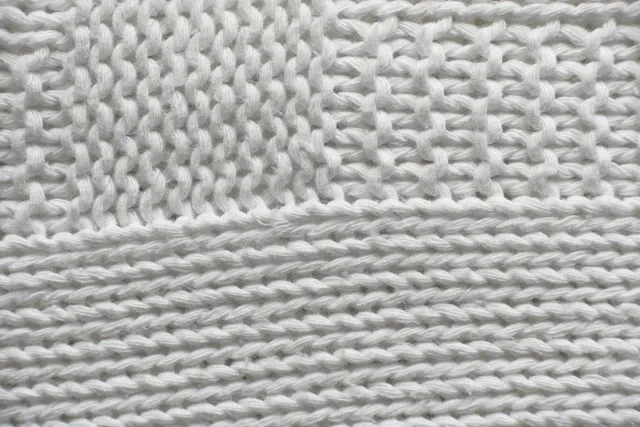
Yarn choice affects how the runner looks, washes, and holds shape. Cotton is best for dining use because it is sturdy, washable, and less fuzzy. Wool adds warmth and texture, but it may need gentler care.
There are a couple of other yarn types to consider:
- Acrylic is budget-friendly and easy to find, though some types can look shiny.
- Chenille feels soft and plush, but it can be harder to clean and may shed.
For a functional runner, choose smooth cotton or a cotton blend. For a decorative piece, wool, chunky acrylic, or novelty yarn can work. We would avoid very delicate yarn if the runner will sit under heavy centerpieces.
If you need more table runners to fit multiple tables, you can work with us to create custom bulk table runners with bespoke designs, made from high-quality polyester.
| Yarn | Best For | Pros | Watch Out For |
|---|---|---|---|
| Cotton | Dining tables | Washable, clear stitches | Can stretch |
| Wool | Decorative/winter styling | Warm, textured | May need hand washing |
| Acrylic | Budget projects | Affordable, easy to find | Can look shiny |
| Linen Blend | Lace/formal runners | Crisp, elegant | May feel stiff at first |
| Chenille | Soft decorative runners | Plush texture | Can shed or trap crumbs |
What Is The Best Yarn For Knitted Table Runner Projects?
Cotton is often the best yarn for knitted table runner projects, especially when the runner will be used on a dining table. It holds shape, handles washing better than many fibers, and gives a clean stitch look.
Cotton also absorbs moisture, which can be helpful around dining areas, though you should still protect it from spills. For softer decorative runners, cotton blends can add drape without too much stretch.
If you want a lace runner, choose smooth cotton or linen-blend yarn so the pattern opens well after blocking. Texture is important - the yarn should show the stitches clearly instead of hiding the work, so choose your interior textile materials carefully.
Frequently Asked Questions About Knit Table Runner
What Is A Knitted Table Runner?
A knitted table runner is a long decorative piece made from yarn, usually placed down the center of a table, console, coffee table, or sideboard for texture and style.
How To Knit A Table Runner?
Choose yarn, needles, and a simple stitch pattern. Cast on to your desired width, knit a long rectangle, bind off, weave in ends, and block it flat.