

Can You Put A Table Runner On A Round Table And Make It Look Balanced?
Yes, a runner works on a round table. The trick is a length that hangs 6 to 12in past the edge and a width near a third of the diameter. In this guide, we detail the sizing math for 36x72in rounds, the four common arrangements, and where the ends should fall so no one eats on top of the fabric.

Key Takeaways
- A rectangular, round or shaped runner all work on a round table when the length gives 6 to 12 in of overhang and the width stays close to one-third of the table's diameter.
- A 24 in stock runner is two-thirds of a 36 in table and one-third of a 72 in table, so the one-third rule of thumb only holds at the larger sizes; below 48 in, use a center topper instead.
- A single runner on a round table means two guests eat on the runner ends, so plan seating for the runner or cross two runners in an X.
- We supply high-quality custom table runners in 11 stock sizes plus custom lengths, printed with any centered design, so a 60 in round or a 72 in round gets a runner sized for its diameter.
Table of contents
-
Can You Put A Table Runner On A Round Table?
-
How Do You Use A Table Runner On A Round Table?
-
What Size Table Runner Should You Use On A Round Table?
-
What Type Of Table Runner Is Best For A Round Table?
-
How Can You Decorate A Round Table With A Table Runner?
-
Can You Put A Table Runner Over A Tablecloth On A Round Table?
-
How Can You Keep A Table Runner In Place On A Round Table?
-
Where Should The Ends Of A Table Runner Fall On A Round Table?
Can You Put A Table Runner On A Round Table?
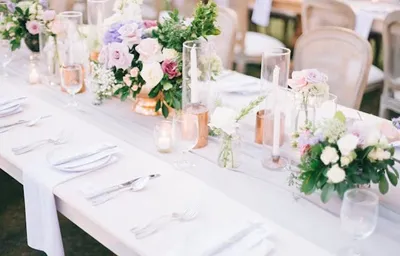
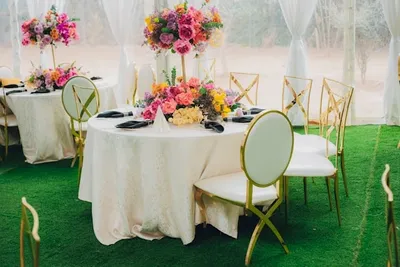
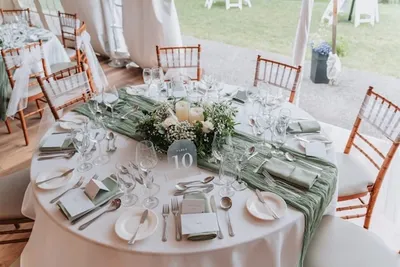
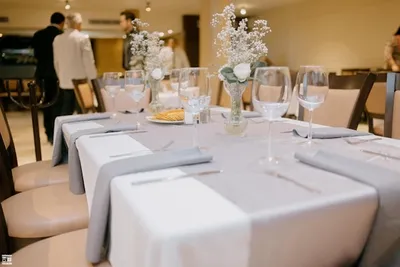
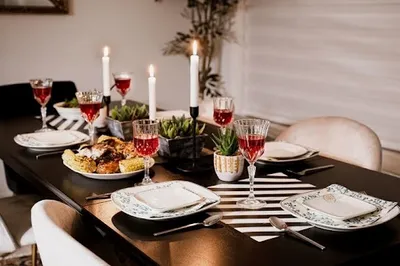
Yes. A rectangular runner is the most flexible, laid straight across the diameter or in an X with a second runner; a circular topper covers a smaller centered area; a fitted or short runner stays inside the tabletop. The runner's dimensions and placement have to fit the diameter, or the table reads unbalanced. We introduce straight, diagonal, crossed and flush arrangements below, each of which changes how many guests can sit without eating on the fabric.
Do Table Runners Look Good On Round Tables?
Yes, when the drop and width match the table. A runner brings color, texture, contrast and a center line to a round surface that would otherwise be blank. Research from the Palmer Lab at UC Berkeley on visual preference suggests people favor centered, symmetrical arrangements in framed views, so a runner centered on the diameter reads as intentional. A 2013 review in Annual Review of Psychology reported that goodness ratings for object placement peaked at the frame's center across multiple experiments. Balance depends on width, length, pattern and placement together. A 24 in wide printed runner on a 36 in table hides most of the tabletop, which flips balance from a runner to a partial cover. We've found the safer default on small rounds is a topper.
How Do You Use A Table Runner On A Round Table?
Center the runner on the diameter, drape 6 to 12 in past each edge, and check the ends fall between chairs, not in front of them. Add place settings once the runner is centered, so plates sit on the tabletop rather than fabric. A centerpiece anchors the middle. Before setting the full table, put every chair where a guest will sit. Lay the runner across the diameter, then set a plate and glass at each seat near its ends. Check whether the fabric runs under the settings or hangs directly in front of guests. Rotate the runner until its ends fall between chairs; if the settings still overlap it, try a narrower or shorter runner. This test is more reliable than assuming a given table diameter always leaves a fixed number of seats clear.
What Arrangements Work For Table Runners On Round Tables?
The four common arrangements are straight (one runner across the diameter), diagonal (offset to one axis), crossed (two runners in an X) and flush (a shorter runner that stays inside the tabletop). A single runner on a 60 in round leaves six seats clear if the ends face empty chairs. Crossed runners on a 72 in round frame a centerpiece and pair with even seat counts (4 or 8). Guidance from the City of Saint Paul Parks & Recreation rentals gives 60 in rounds seating 8 and 72 in rounds seating 10, which matches the arc math above. A flush placement suits a modern round where the drop would look busy. On the 60 in rounds we cover for galas, a single runner for eight means two guests eat on the runner's ends, so we usually tell hosts to seat six or cross two runners.
| Layout | Look | What to check before choosing it | Best fit |
|---|---|---|---|
| Straight runner | One clear line across the table | Rotate the ends between occupied chairs and check the settings beside them | A simple centerpiece or printed design |
| Two runners in an X | Four fabric ends framing the center | Check all four ends and the extra fabric under place settings | A larger round with room around the centerpiece |
| Short runner | A center accent with no hanging ends | Keep its ends clear of plates and serving dishes | A full table where drops would get in guests’ way |
| Centered topper | A defined fabric area in the middle | Compare its dimensions with the tabletop so it covers the amount you intend | A smaller round or a centerpiece-focused setting |
Need A Runner That Fits Your Round Table?
Our custom table runners come in 11 stock sizes and any custom length, so a 60 in round or a 72 in round gets an overhang that reads right.
What Size Table Runner Should You Use On A Round Table?
Runner size follows table diameter and desired drop. Overhang math: overhang = (runner length minus diameter) divided by two. A 24 × 60 runner on a 48 in round gives 6 in each end; on a 36 in round it gives 12 in. Width is different: a 24 in width is two-thirds of a 36 in table and one-third of a 72 in table, so a stock rectangle runner reads best at 60 to 72 in rounds.
Before you order, check four things:
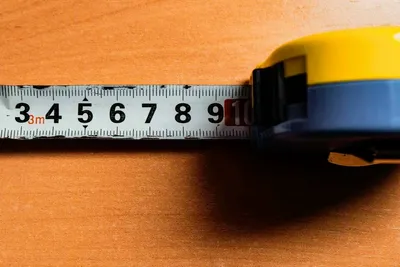
- Measure the tabletop straight across its widest point to find its diameter.
- Choose how far you want the runner to hang at each end. For a 6 in drop, add 12 in to the diameter; for a 12 in drop, add 24 in.
- Check the runner’s width against your place settings. A 24 in runner covers much more of a 36 in round than a 72 in round.
- Set out the chairs and check where the runner ends will fall. If they interfere with occupied seats, rotate the runner, choose a shorter one, or use a topper.
Formula: Runner length = table diameter + (2 × desired drop).
| Diameter | Typical seats | Stock size, 6 in overhang | Stock size, 12 in overhang | 24 in width as % of diameter | Verdict |
|---|---|---|---|---|---|
| 36 in | 4 | 24 × 48 | 24 × 60 | 67% | Topper or 48 in short runner |
| 42 in | 4 to 6 | 24 × 54 (custom) | 24 × 66 (custom) | 57% | Topper better, or narrow runner |
| 48 in | 6 | 24 × 60 | 24 × 72 | 50% | Runner or 48 × 48 topper |
| 54 in | 6 to 8 | 24 × 66 (custom) | 24 × 78 (custom) | 44% | Runner |
| 60 in | 8 | 24 × 72 | 24 × 84 | 40% | Single runner or X |
| 72 in | 10 | 24 × 84 | Custom 24 × 96 | 33% | Single runner or X (one-third rule holds) |
Measure from the floor at both ends after laying the runner; a 2 in mismatch reads at once. We've seen a logo printed for a rectangle's front hang upside down to half a round table, so we now put type in the center on the proof.
How Long And Wide Should A Table Runner Be For A Round Table?
Length equals diameter plus 12 to 24 in for a 6 to 12 in overhang each end. Width equals roughly one-third of the diameter. On smaller rounds (36 to 42 in) the one-third rule pushes width so narrow the runner looks like a ribbon, so pick a 48 × 48 topper or a 24 × 24 mat instead. On a 72 in round, a 24 in wide runner gives the classic center lane and leaves 24 in of tabletop each side for plates and glasses. Keep enough exposed tabletop for full place settings, or plates slide off the runner edge and into the drop. Our runner size chart guide shows the same math for square and rectangle tables.
Determine the Right Table Runner Size for a Round Table
Enter your table dimensions and desired drop to get the exact tablecloth size you need.
width + drop (×2) = total width
length + drop (×2) = total length
diameter + drop (×2 for both sides) = total diameter
Want Your Logo Or Motif Printed Down The Center?
Our custom print table runners carry any design straight down the middle of a round table, with a free digital proof before we print.
Learn moreWhat Type Of Table Runner Is Best For A Round Table?
The five common types are rectangular runners, circular toppers, fitted runners, short runners and custom-shaped options. A rectangular runner is the versatile pick because the same piece works straight, diagonal, crossed or flush. A circular topper covers a small centered area and echoes the table's shape. A fitted or short runner stays inside the tabletop for modern tables where a drop feels dated. Match the type to table size, décor, seat count and use: a single runner for a home dinner, an X for a formal table set for eight, a topper for a small café round.
Which Materials And Styles Work Best On Round Tables?
Cotton and linen suit everyday and elegant dining; both drape softly and wash well but crease. Polyester is easy-care, holds print sharply and comes in dozens of colors; it takes a machine wash and steams flat. Burlap suits rustic, boho and outdoor rounds but sheds fibres and creases at every fold. Solid colors emphasize the table's shape; patterns emphasize the runner itself; textured weaves (waffle, jacquard) add depth without a print. Work with us on a custom print table runner in polyester if a machine-washable, crisp-print runner beats fibre choice for your setting.
How Can You Decorate A Round Table With A Table Runner?
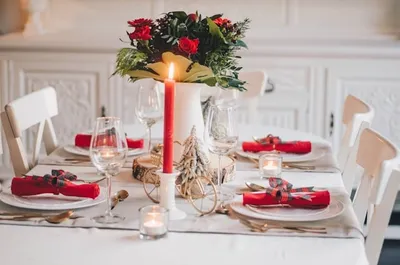
A runner creates a central decorative lane that ties in the tablecloth, dinnerware, napkins and centerpiece. Coordinate colors by picking one dominant hue and one accent across the runner, cloth and napkins. Casual settings tolerate mixed patterns; formal settings usually pair a solid runner with textured or patterned dishes. Leave enough open tabletop for full place settings and serving pieces so the arrangement reads as a set meal, not a display. On a smaller 42 or 48 in round, the runner does more of the visual work, so the centerpiece can be low and slim.
How Do You Style A Centerpiece And Place Settings With A Runner?
Set a centerpiece at the middle of a straight runner or at the intersection of an X. Keep the piece proportionate: on a 48 in round, an 8 in high vase reads; on a 72 in round, a lower runner of candles across the fabric reads better. Space plates, glasses and cutlery so guests can move easily. Guidance from Ohio State University Extension allows 20 to 24 in per place setting, so an 8-seat 60 in round leaves about 23.5 in of arc each. Guidance from Oregon State University Extension 4-H sets a 24 in wide by 15 in deep space per setting, which decides where a placemat can sit beside a runner end. Add placemats to define individual spaces where the runner alone does not.
Setting A Round Head Table For A Reception?
Our custom personalized wedding table runners frame a sweetheart or head table with the couple's names, dates or monogram running across the diameter.
Can You Put A Table Runner Over A Tablecloth On A Round Table?
Yes. Layering a runner over a round tablecloth adds a defined central lane and a contrast in color or texture. Keep the drops sensible: total drop under the 10 to 12 in home cap, runner drop 2 to 4 in shorter than the cloth drop so both hems read as two clean lines. Avoid stacking two heavy, patterned pieces, which creates visual clutter. A lightweight runner over a heavier cloth reads best on smaller rounds. Our round tablecloths are cut to standard round diameters and take a runner cleanly.
How Do You Match A Table Runner With A Round Tablecloth?
They do not need to match exactly. Coordinate through color family, pattern, texture or level of formality. A plain runner over a patterned cloth balances a busy table; a patterned runner over a solid cloth adds a focal point. Lightweight fabrics like cotton or polyester keep a layered setting from looking bulky. Test both pieces together in daylight before the event, since color reads differently under warm lamps than under overhead spotlights.
Covering Round Tables For A Full Venue?
Our custom bulk table runners keep the per-unit price down for banquets, weddings and gala setups covering ten, twenty or a hundred rounds.
Get startedHow Can You Keep A Table Runner In Place On A Round Table?
Lightweight fabric on a smooth cover, plus guest movement, shifts the runner. Reduce movement with discreet clips, nonslip pads or fabric grips. A stable centerpiece holds the middle without covering the design. Match the method to the table: a stretch spandex cover needs tape or a heavy piece because the tension pulls the runner; a polyester cover holds a hidden drapery weight in the runner hem. Test any grip on a scrap first so no adhesive residue transfers to the cloth. The size we're asked to reprint most is a 150 × 28 buffet runner someone hoped would work on a round: it hangs 39 in at each end and no clip stops that overhang from dragging chair legs.
Can You Use Nonslip Pads Or A Centerpiece To Secure A Runner?
Yes. A pair of thin nonslip pads under the runner ends stops most drift on a polyester cover. A heavier centerpiece anchors the middle, though avoid anything so heavy it dents the underlying cloth or wobbles as guests bump the table. Never use pins on a rental cloth, and never use double-sided tape on an heirloom textile. On stretch covers, place a small weight under the centerpiece rather than adhering the runner to the surface. For storage between events, guidance from the NPS Museum Handbook Appendix K states that textiles "tend to break along fold-lines", so we roll runners on a tube; a folded runner arrives at the next round table with a crease down the diameter. Our guide to keeping a tablecloth in place covers the same anchoring for the layer beneath.
Where Should The Ends Of A Table Runner Fall On A Round Table?
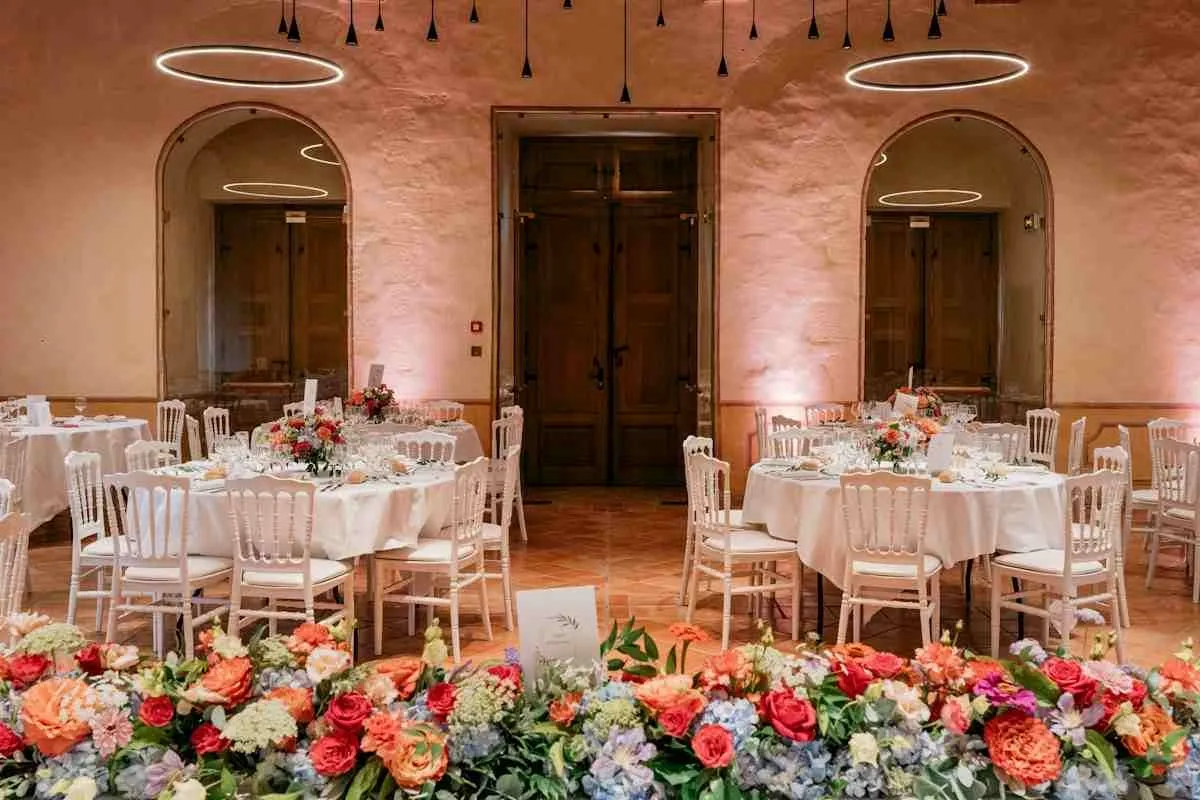
Ends should fall between seating positions, not in front of them. A guest whose place setting sits on a runner end has fabric on their lap and less room for the plate. Positioning the ends between chairs improves comfort and keeps the tablecloth arrangement symmetrical. Odd numbers of chairs (5 or 7) make exact alignment impossible, so center the runner on the diameter first and let seat alignment come second. Rotate the runner by a few degrees and re-check.
Should Table Runner Ends Hang In Front Of Guests?
No. Ends directly in front of an occupied chair, press against legs, snag napkins and shift with every reach. Reposition or rotate the runner so its ends fall between guests. Check the arrangement with chairs in the position they will actually sit, not tucked under the table, since sitting posture pushes chairs out a few inches. On the round tables we set for banquets, rotating the runner 22.5° on an 8-seater is often the fix that solves both ends at once and takes about fifteen seconds.
Now, here is a quick pick to help you size a runner for your round table.
Work with us to size and print a runner for your round table. Our custom bulk table runners keep the per-unit price down when a full venue of rounds needs covering, with a free digital proof and no minimum order.
Frequently Asked Questions About Can You Put A Table Runner On A Round Table
Can You Use A Table Runner On A Round Table?
Yes. A rectangular, round or shaped runner all work if the length gives 6 to 12 in of overhang and the width sits near a third of the diameter. On tables under 48 in, use a square or circular topper instead of a narrow runner.
How Should You Use A Table Runner On A Round Table?
Center the runner on the diameter, keep the width near one-third of the diameter, and position the ends between chairs. Anchor the middle with a centerpiece or a hidden weight, and layer over a tablecloth only if both drops stay under 12 in.