

Creative Table Runner Ideas To Elevate Your Dining Space In Style
A bare table reads unfinished, but a full tablecloth can feel like too much fuss for a Tuesday dinner. A runner splits the difference - one strip of fabric that changes the whole room. In this guide, we cover creative table runner ideas for dining rooms, holidays, and events, with the sizes, fabrics, and methods that make each idea work.
Key Takeaways
- Texture and layering do the heavy lifting. Woven, velvet, macrame, and faux fur runners change a table more than another flat cotton strip, especially layered over a plain tablecloth.
- Size comes before style. Keep runners 12 to 18 inches wide with a 6 to 12 inch drop at each end - a striking design in the wrong size still looks off.
- DIY suits one table; custom printing suits many. Sewing one runner is a satisfying weekend project, while outfitting a holiday party or event room is where ordering wins.
- We supply high-quality custom table runners in 11 sizes and any color or printed design, with no minimum order and competitive prices for single tables and bulk events alike.
Table of contents
-
Creative Table Runner Ideas
-
What Are The Best Creative Dining Table Runner Designs For Stylish Homes?
-
What Can You Use Instead Of A Table Runner?
-
How Can You Create Your Own Table Runner?
-
How Should A Table Runner Look On A Dining Table?
-
How Can You Make A Dining Table Look More Stylish And Interesting?
-
What Seasonal Table Runner Themes Work Best Throughout The Year?
-
What Are The Most Popular Table Runner Design Styles And Patterns?
-
How Do You Clean And Maintain Table Runners Properly?
Creative Table Runner Ideas
Creative table runner ideas trade the plain fabric strip for texture, layering, and personal meaning: a woven jute runner on bare oak, a velvet band over crisp white linen, or a printed runner carrying a family pattern. One runner changes the atmosphere of a dining room, a bedroom dresser, an outdoor table, or a festive setup in under a minute.
Runners keep gaining ground in modern interior styling for a practical reason. They deliver a full decor refresh for less than new furniture or fresh paint, they swap out seasonally without storage headaches, and they let renters restyle without touching a wall.
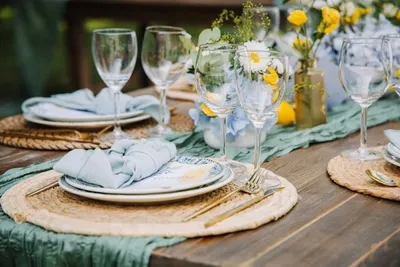
The working formula is simple: elevate your dining experience with unique table runner concepts that go beyond standard fabrics. Mix and match organic textures, cultural heirlooms, or repurposed materials to create striking centerpieces, or layer them over crisp linens for depth. Materials, textures, layering, and centerpieces work as one system - change any one of them and the whole table reads differently.
Below we cover DIY ideas, seasonal inspiration, styling tips, materials, and FAQs, with the measurements that keep each idea workable. If you would rather skip straight to a finished look, our custom table runners print any design you upload in 11 stock sizes.
What Are The Best Creative Dining Table Runner Designs For Stylish Homes?
For most stylish homes, the strongest dining table runner designs fall into five aesthetics, and the right pick is the one that repeats something your room already does:
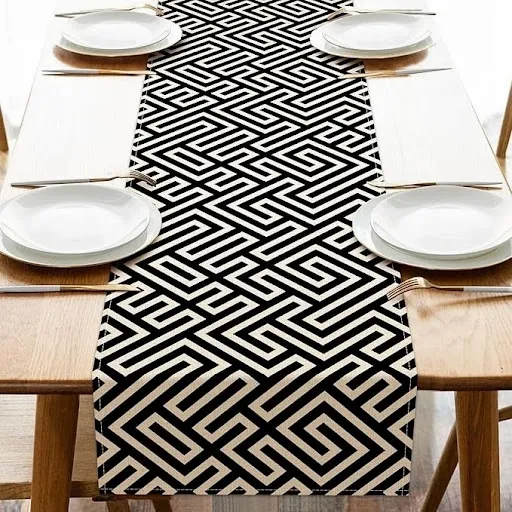
- Modern: geometric prints or two-tone color blocking, squared ends, no fringe.
- Minimalist: one solid color in a matte weave, sized to sit inside the table edge.
- Rustic: burlap, jute, or plaid with visible texture and a relaxed drape.
- Boho: macrame, tassels, and layered patterns in warm, sun-faded tones.
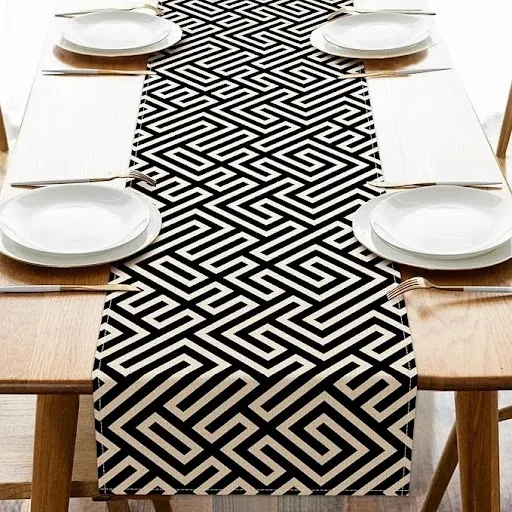
- Luxury: velvet, satin, or an embroidered border with a longer 10 to 12 inch drop.
Table shape and room design narrow the choice further. A long rectangle table carries bold lengthwise patterns, a round table suits a shorter runner or a crossed pair, and a busy room calms down with a solid. Our guide on table runner ideas walks through eight setting options built on these aesthetics.
How Can Dining Table Runner Design Ideas Improve Your Space?
A runner improves a space by steering color, texture, and sightlines in a room where everything else is fixed. Color works fastest: a review from 2015 of color and behavior research gathered consistent evidence that color influences how people feel and respond in a setting. This correlates why a dark runner over pale wood often looks more defined and formal, while a runner close to the table color creates a quieter effect.
Runners also build a visual anchor. The eye follows the strip down the table to whatever sits at its center, so your centerpiece gets attention without growing larger.
There is a sizing trick inside this, too: a lengthwise runner makes a short table look longer, while a wide runner, or two laid crosswise as placemat bands, makes a narrow table look wider. Pick the direction that corrects your table's proportions before you pick a pattern.
Want A Table Runner Nobody Else Owns?
Design custom table runners in any color, pattern, or photo print, available in 11 sizes from 24x24 up to 150x28 inches, with no minimum order.
What Can You Use Instead Of A Table Runner?
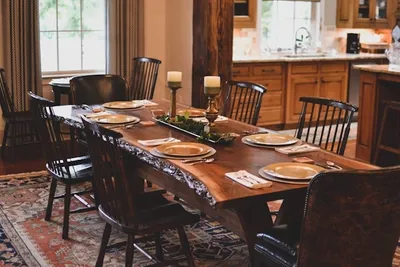
Skip the runner entirely when the table itself is the show. Homeowners with a live-edge walnut top, a marble slab, or a painted vintage table often want fabric off the surface, and others simply want fewer pieces to wash after dinner.
The replacement move is layering decorative elements directly on the wood: a line of low objects down the center, placemats doing the color work, or one oversized piece holding the middle. Done with restraint, an unconventional centerpiece reads more modern than fabric ever could.
The trade-off is honest, though - bare wood takes the scratches and water rings a runner would have absorbed, so plan on coasters or felt pads under anything heavy. Before you commit either way, our guide on how to decorate with table runners shows what each option looks like on a real table.
What Can You Put In The Middle Of A Table Instead Of A Runner?
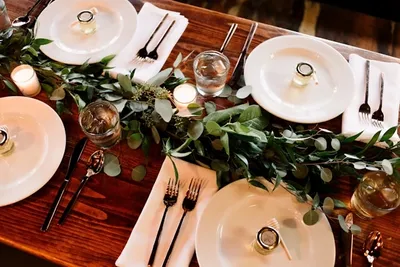
Five swaps hold the center of a table reliably: a wood or metal tray, a cluster of pillar candles at varied heights, a greenery garland run loosely down the middle, a row of lanterns, or two or three ceramic bowls in one glaze family.
Keep the symmetry a runner would have given you: anchor one piece at the exact center, then work outward in matched pairs so both ends carry equal weight. Odd-numbered groupings of three or five look composed; even rows look like a store shelf.
Arrangement quality is worth the two extra minutes. A study from 2014 on art-inspired plating found diners rated the same ingredients as better tasting and worth paying more for when arranged artfully - the table around the plate works on the same wiring.Thoughtful visual arrangement can shape expectations before the meal begins.
How Can You Create Your Own Table Runner?
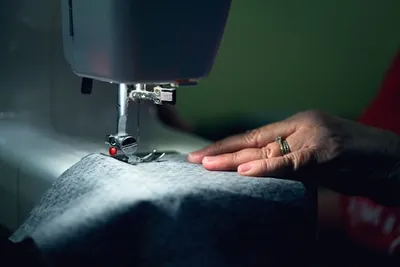
You can make a table runner in an afternoon with 1.5 to 2 yards of fabric, thread, pins, and an iron - it is one long rectangle, which makes it the friendliest sewing project in home decor.
Three beginner-friendly methods cover most skill levels:
- Hemmed and sewn: cut to size, fold a half-inch double hem, stitch. The most durable finish.
- No-sew: the same fold, bonded with iron-on hem tape instead of stitches.
- Woven or tied: strips of burlap, ribbon, or old textiles braided or knotted into a textured band.
Customization is the point of going DIY - your color, your texture, your trim - and the process itself gives something back. Research from 2013 surveying 3,545 knitters found a significant relationship between craft frequency and feeling calm and happy. Our guide on how to sew a table runner includes a reversible version that doubles your options.
Prefer the custom look without the sewing machine? Work with us to create custom embroidered table runners - we handle the stitching, and most orders arrive in about 10 business days.
What Expert Tips Help Craft The Perfect Table Runner?
Measure before you cut, every time. Take the table length plus 12 to 24 inches for the drop, and a width around one-third of the tabletop - on a standard 36 to 40 inch wide table, that lands in the 12 to 14 inch range.
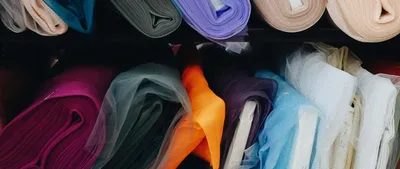
Fabric weight decides how the runner behaves. Mid-weight cotton or polyester lies flat and washes well, lightweight fabrics need lining to stop curling, and heavy upholstery fabric resists draping at the ends. Check the finish, too: a stain-release or matte finish earns its keep on a surface that meets sauce weekly.
On methods, sewing outlasts everything. Fabric glue and weaving suit decorative runners, and no-sew tape is fine for seasonal pieces - but from experience, hem tape rarely survives more than a handful of machine washes, so save it for runners that get spot cleaning only.
Prefer Stitched Texture Over Printed Color?
Our custom embroidered table runners add raised, durable detail that holds its shape through years of dinners and washes, at competitive prices.
Learn moreHow Should A Table Runner Look On A Dining Table?
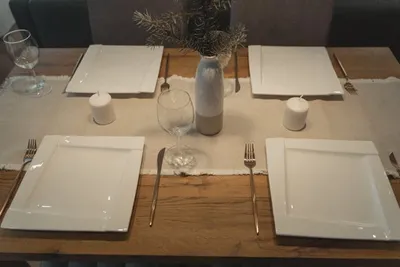
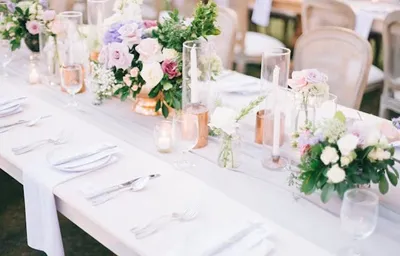
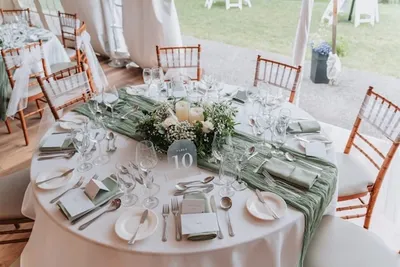
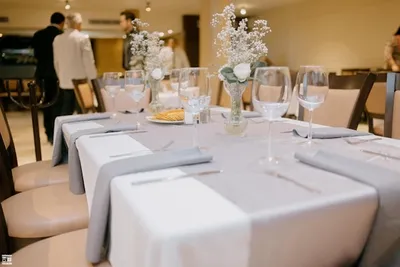
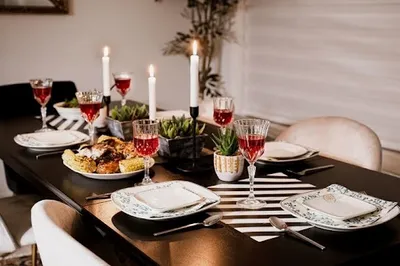
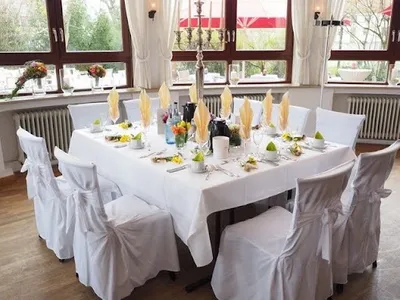
A well-placed runner looks centered, flat, and intentional: equal drop at both ends, edges parallel to the table sides, and enough clear wood showing on each side to frame it. The runner defines the table's spine, so even a small skew reads as crooked from across the room.
| Table Size | Runner Width | Runner Length | Drop Per End |
|---|---|---|---|
| 4 ft (48 in.) rectangle | 12-14 in. | 60-72 in. | 6-12 in. |
| 6 ft (72 in.) rectangle | 12-16 in. | 84-96 in. | 6-12 in. |
| 8 ft (96 in.) rectangle | 14-18 in. | 108-120 in. | 6-12 in. |
| Round table | 12-16 in. | Diameter minus 12 in. | None - sits inside the edge |
Balance the runner against the rest of the decor: if the runner is patterned, keep dinnerware quiet, and if the centerpiece is tall, keep the runner low contrast. The full math, including overhang options, lives in our table runner size chart.
Should A Table Runner Be Shorter Or Longer Than The Table?
Tradition says longer: a 6 to 12 inch drop at each end mirrors a tablecloth's overhang and suits formal dining. The hanging ends give the table visual weight and a finished lower edge.
A shorter runner that stops inside the table edge is the modern alternative - cleaner lines, no ends for children or chair arms to catch, and a better match for minimalist rooms. We see both choices working; the drop version photographs more formally, the short version lives more easily.
Let style preference and daily reality decide. A display table can afford the long drape, while a family table that gets wiped down twice a day earns the short cut.
Looking For A Printed Base Layer Under Your Runner?
Pair your runner with our custom printed tablecloths - dye sublimation printing has no color limits, so any palette or pattern you can imagine is possible.
How Can You Make A Dining Table Look More Stylish And Interesting?
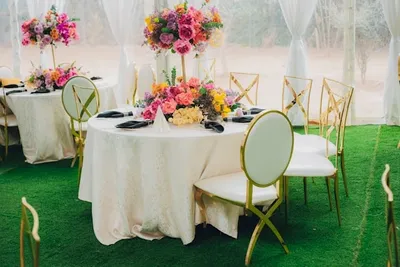
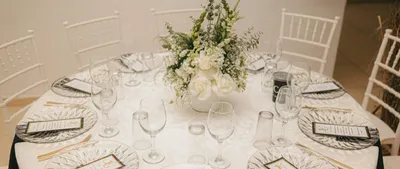
Stack three layers - light, height, and texture - and almost any table turns interesting. The runner contributes the texture layer and the colored spine; candles or a low lamp add light; flowers, a garland, or stacked books add height changes down the center line.
Vary the heights deliberately: tallest piece at center, stepping down toward the ends, with nothing so tall that guests duck around it to talk. Avoid lining everything up at one height - we see that mistake often, and it makes even nice decor feel stiff.
Rotate the look seasonally rather than buying more objects: the same candlesticks and bowls feel new when the runner under them changes from spring linen to fall plaid. A printed base layer multiplies the effect - set a textured runner over our custom printed tablecloths and you get two coordinated layers from one order.
What Seasonal Table Runner Themes Work Best Throughout The Year?
Seasonal runners follow the calendar in palette and fabric weight, and a four-runner rotation refreshes the room all year:
- Spring: pastels, botanical prints, lightweight cotton or linen-look weaves.
- Summer: bright stripes and citrus tones in easy-wash polyester for outdoor meals.
- Fall: rust, plaid, and burlap textures in heavier weaves that anchor harvest centerpieces.
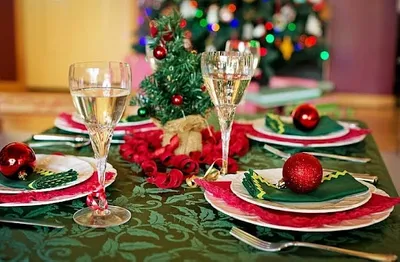
- Winter: velvet, deep greens, and metallic threads, with faux fur for the holiday stretch.
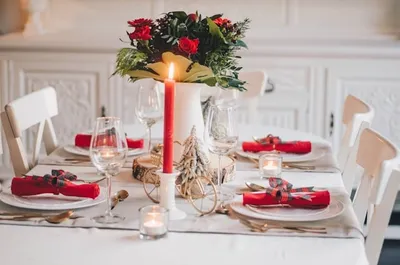
For the holidays themselves, the designs customers order most right now are plaid, personalized family names, and photo prints - holiday runners pair naturally with our custom Christmas tablecloths for a matched set. Chunky knit textures look cozy in winter, but gravy is less forgiving, so keep the heavy textures away from the serving zone.
Store each season's runner flat or rolled when it comes off the table, and the rotation stays crisp for years.
How Do You Choose The Right Table Runner Material?
Match the material to how the table gets used, because fabric decides appearance, durability, and cleanup effort in one stroke:
- Polyester: resists stains and wrinkles, machine-washable, holds printed color well - the workhorse for family tables. Ours runs 200 GSM (grams per square meter, the fabric's weight).
- Cotton and linen looks: soft, natural texture, but they wrinkle and shrink if washed hot.
- Velvet and satin: rich for holidays and formal dinners; plan on gentle or spot cleaning.
- Burlap and jute: maximum rustic texture, though burlap sheds fibers and frays at cut edges until hemmed.
For layering, put the matte fabric down and the sheen on top - a satin runner over a matte cloth reads elegant, while the reverse reads accidental. When two materials both fit your room, pick the one you are willing to wash weekly.
Outfitting A Banquet Hall Or Event Space?
Order custom rectangle tablecloths in bulk with generous bulk discounts, a free digital proof before production, and fast turnaround for every table you own.
Get startedWhat Are The Most Popular Table Runner Design Styles And Patterns?
Six patterns account for most of the runners we print and see in homes: stripes, geometric repeats, botanical prints, plaid and buffalo check, solids with a contrast border, and monograms. Each pulls the room in a different direction.
Pattern scale sets the mood more than the motif does. Small, tight repeats read calm and let dinnerware lead, while one large-scale print turns the runner into the statement and asks everything else to step back. High-contrast patterns shorten a long table visually; low-contrast ones stretch it.
Mixing eras works when one element does the mixing: a traditional damask runner on a modern table, or a crisp geometric over a farmhouse top. Keep the rest of the palette to two colors the room already uses, and the mix looks edited instead of random.
How Can Personalized Designs With Fabric Paint Add Character?
Fabric paint turns a plain runner into a one-of-one piece for under twenty dollars. Stencil a border pattern along both long edges, freehand a vine down the center line, or paint guest names at each seat for a dinner party that doubles as a keepsake.
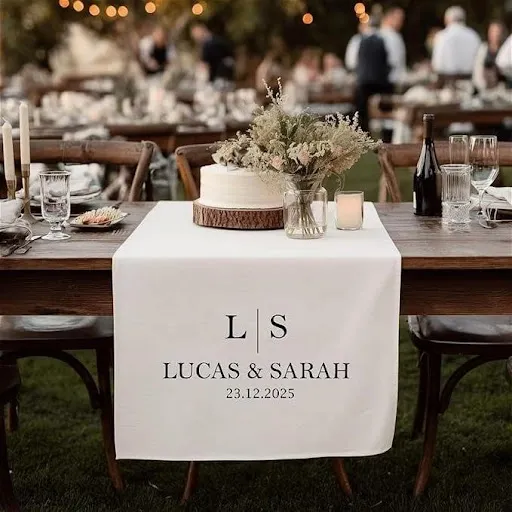
Event personalization is where paint shines: wedding dates, anniversary years, a family name across the drop ends. Work on a prewashed runner, mix paint with textile medium so it stays flexible, and heat-set with a dry iron for 3 to 5 minutes per section.
One honest limit: paint stiffens the fabric where it sits, and hot washes fade it season by season. For designs that need to survive weekly laundering, printed or embroidered customization holds up; paint is for pieces you handle gently.
How Do You Clean And Maintain Table Runners Properly?
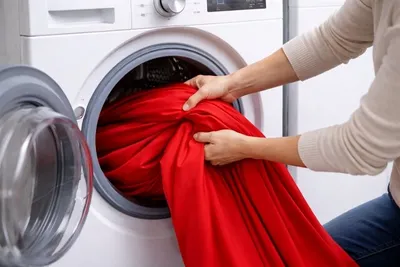
Clean runners by material, not by habit, and they last years instead of seasons. Polyester and spandex blends are machine-washable, though we recommend hand washing in lukewarm water with mild detergent and hang drying - it keeps printed color sharp. Cotton washes easily but shrinks in hot water, and velvet, faux fur, and embroidered pieces want spot cleaning or a gentle cold cycle.
Stain prevention beats stain removal. Blot spills within minutes instead of rubbing, keep a matte stain-release finish on runners that meet food weekly, and run the dripping-candle test before dinner: if wax can reach the fabric, move the candle to a tray.
When a runner is genuinely past saving, replacement can be the cheaper move. Work with us to create custom table runners in the exact size and design you lost - we keep your artwork on file, so reorders take minutes.
What Table Runner Maintenance And Care Tips Work Best?
Store runners rolled, not folded. Museum guidance from the National Park Service on textile object care advises rolling flat textiles around a tube because fabric tends to weaken and break along fold lines - a rolled runner also comes out nearly press-ready.
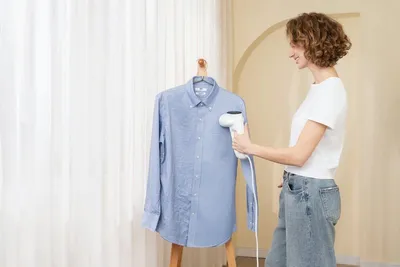
Iron on low heat or steam, working on the reverse side of printed or painted designs. Polyester takes wrinkles out at low temperatures; high heat can gloss the surface.
Keep stored and displayed runners out of direct sun. The Library of Congress lists dyed textiles among the most light-sensitive materials in its light damage guidance, and the damage is cumulative and irreversible - a runner left by a bright window fades on one side first. Rotate the runner end-for-end monthly, and close the blinds between dinners.
Frequently Asked Questions About Creative Table Runner Ideas
What Are The Most Stylish Creative Ideas For Table Runners?
Layered texture is the most reliable idea: a velvet, macrame, or woven runner set over a plain tablecloth, sized 12 to 18 inches wide. Personalized printed designs and a four-season rotation rank close behind.
Which Creative Dining Table Runner Designs Work Best For Modern Interiors?
Geometric prints, two-tone color blocking, and solid runners with a contrast border suit modern rooms. Keep the palette to two colors the room already uses, square the ends, and skip fringe or ruffles.