

How To Make A Tablecloth That Looks Beautiful And Professional At Home
A homemade tablecloth can look neat, warm, and well-made, but only if it is planned properly. A good tablecloth needs the right size, a clean drop, straight edges, and more. In this guide, we show how to make a tablecloth at home, from fabric choice to final pressing.

Key Takeaways
- Measure the table first, then add the drop and hem allowance before cutting anything. Most poor results start with rushed measuring.
- Cotton, linen, polyester, and vinyl all work, but each suits a different use. Pick the fabric based on cleaning, feel, and how often the table is used.
- Press every fold before sewing. It sounds small, but pressing is what makes DIY table cloth projects look clean instead of homemade in the wrong way.
- We supply high-quality custom tablecloths if you want to skip the DIY work to get high-quality, bespoke pieces for your tables.
Table of contents
-
How To Make A Tablecloth?
-
How Do You Measure Fabric For Sewing A Tablecloth?
-
How Do You Create A Tablecloth Sewing Pattern?
-
How Do You Sew And Hem A Tablecloth Properly?
-
How To Sew Round And Rectangular Tablecloths With Perfect Curves?
-
How Do You Make Table Linens And Table Covers Match Your Decor?
-
How Can You Add Decorative Details To A DIY Table Cloth?
How To Make A Tablecloth?
To make a tablecloth, start with the table, not the fabric. Measure the length and width, then decide how far you want the cloth to hang over the edge. For most homes, a 6 to 10 inch drop works well.
For a formal table, 12 inches or more can look better. Add that drop to both ends of the length and width, then add hem allowance. After that, cut the fabric, sew the sides, hem the edges, and press the finished cloth flat.
This is why sewing a tablecloth is a good beginner project. The shapes are simple, but the result can still look polished. Cotton, linen, and vinyl are common choices.
What Supplies And Fabrics Work Best For Sewing A Tablecloth At Home?
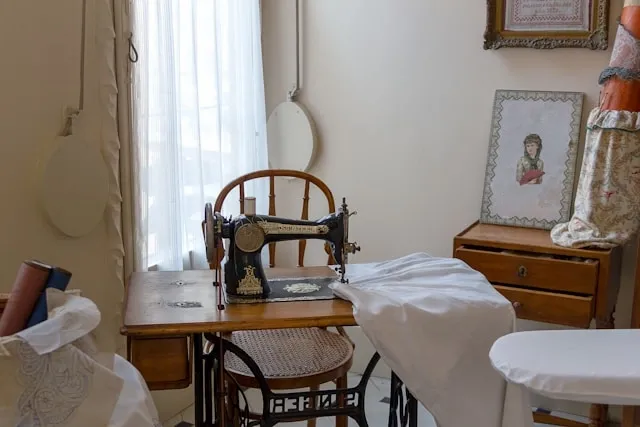
You do not need a large sewing kit to sew table cloth projects well. A basic sewing machine, matching thread, sharp fabric scissors, measuring tape, pins or clips, an iron, and a flat cutting space will cover most jobs.
Here are some other things to think about:
- Matching the thread to the fabric matters because a wobbly stitch shows more when the color stands out.
- We also like using a washable fabric marker, especially for larger covers.
- Optional trims include lace, bias tape, ribbon, fringe, or a contrast hem.
- Beginners may find a clear ruler, seam gauge, and simple tablecloth sewing pattern helpful. They reduce small errors before those errors become visible.
The alternative is to work with us to create custom printed tablecloths in any shape, size, and design and get professional results with no DIY effort.
What Fabric Is Best To Make A Tablecloth?
Cotton is easy to cut, easy to sew, and good for casual meals. Linen looks more refined and has a lovely natural texture, though it wrinkles faster. These are two common choices for tablecloths, but they are not the only ones.
- Polyester is practical because it resists creasing and usually washes well.
- PVC or vinyl works best when protection matters more than drape, such as craft tables, outdoor meals, or children’s tables.
Restaurant tablecloth fabrics sometimes include bamboo and coated fabrics, so there are lots of options to explore.
Linen tablecloths are often best for formal dinners because they hang softly and feel special. For daily use, we would choose cotton or polyester. For spills, coated fabric can be most effective.
When making a tablecloth, ask one plain question first: will this tablecloth be admired, washed often, or protected from chaos?
Here is a table of common mistakes and fixes:
| Problem | Cause | Fix |
|---|---|---|
| Cloth is too short | Drop was added once, not twice | Recalculate using drop on both sides. |
| Hem looks wavy | Fabric stretched while sewing | Press first, pin more closely, sew slowly without pulling. |
| Corners look bulky | Too much folded fabric | Use mitred corners or trim excess before folding. |
| Fabric shrank after sewing | Fabric was not pre-washed | Pre-wash washable natural fabrics before cutting. |
| Round hem puckers | Hem is too wide for the curve | Use a narrower hem or easing stitches. |
How Do You Measure Fabric For Sewing A Tablecloth?
Accurate measuring saves fabric, time, and irritation. For a rectangular table, measure the length and width across the top. Then add your drop twice to each measurement because the cloth hangs on both sides.
For round tables, measure the diameter across the widest point, then add the drop twice. With both rectangular and round tables, it is important to add hem allowance too, usually 1 inch per side if you plan a double-fold hem.
One common mistake is measuring only the tabletop and forgetting the overhang. Another is adding the drop once instead of twice. If you want to know how to sew a rectangular tablecloth, the measuring stage is where the clean finish begins, creating the best tablecloths for events.
How Much Fabric Do You Need To Make A Tablecloth?
To calculate fabric, use this simple rule: tabletop size plus drop on both sides plus hem allowance on both sides. So a 60 inch long table with a 10 inch drop needs 80 inches before hemming. Add 2 more inches for a half-inch double-fold hem on each end.
Fabric width is important too. Many fabrics come in with a width in inches of:
- 44
- 54
- 60
- 118
If your tablecloth is wider than the fabric, you may need a center seam or side panels. This may require a little more technical sewing knowledge.
For a small square table, one fabric width may be enough. For a banquet table, extra-wide fabric saves sewing time and gives a cleaner surface.
Looking for a branded tablecloth that looks professional?
If your tablecloth is representing your business, professional production helps. Work with us to create custom tablecloths with logos at great prices.
How Do You Create A Tablecloth Sewing Pattern?
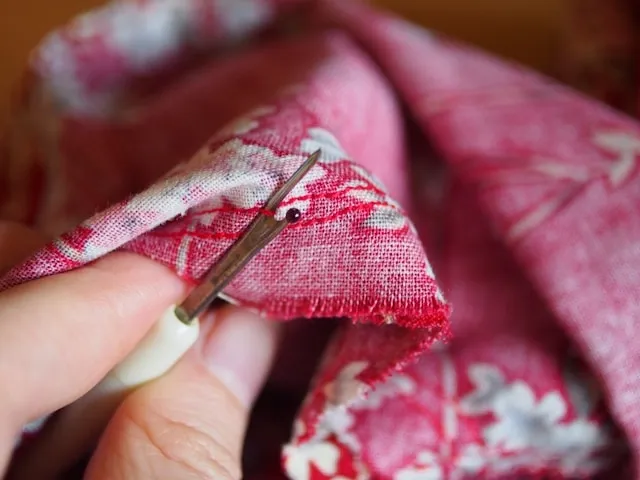
A tablecloth sewing pattern is useful when the table is large, round, oval, or used often for events. It is also wise when the fabric is expensive - we would rather test paper than ruin linen.
To create tablecloth patterns to sew, do the following:
- Draw the tabletop shape on kraft paper, newspaper, or pattern paper.
- Mark the finished edge.
- Add the drop and hem allowance around it. This helps keep all sides equal.
A pattern also makes future sewing faster because you can reuse it for holiday cloths, outdoor covers, or matching linens. For beginners, this step removes the pressure of cutting straight into the final fabric - it would be the same for creating custom cloth banquet napkins too.
How Do You Make A Tablecloth Pattern At Home?
To make a tablecloth pattern at home, sketch the table shape first. Write the real tabletop measurements on the paper so you do not rely on memory. Then add the drop all the way around.
After that, add the hem allowance.
- For rectangles, use a ruler and square corners carefully.
- For round tables, tape paper together, fold it into quarters, and mark a smooth curve from the center point.
Cut the paper pattern, unfold it, and place it on the table to check the size. This little test is helpful - making tablecloth pieces is slow at the start and easier later. Skip all this effort by working with us to create custom rectangle tablecloths and other shapes from polyester or spandex with high-quality craftsmanship and competitive pricing.
Calculate How Much Fabric Your Tablecloth Needs
Enter your table dimensions and desired drop to get the exact tablecloth size you need.
width + drop (×2) = total width
length + drop (×2) = total length
diameter + drop (×2 for both sides) = total diameter
How Do You Sew And Hem A Tablecloth Properly?
Good tablecloth sewing is mostly about calm, straight work. Wash and dry the fabric first if it may shrink, then iron it flat before cutting. You want to aim to minimize waste if you are working with irregular textile shapes.
Once cut, check that opposite sides match. Fold each raw edge to the wrong side, press it, then fold again to hide the raw edge. Pin or clip every few inches. Sew slowly with an even seam allowance, keeping your eye on the guide line, not the needle.
A straight stitch is enough for most fabrics. Press the hem after sewing - that final press gives the cloth its shape and makes sewing tablecloths look far more professional than the effort suggests.
How Do You Prepare The Edges Before Hemming?
Raw edges need control before hemming, especially on fabric that frays. First, trim loose threads and make sure the edge is straight. Fold the edge in by half an inch, press it, then fold again and press once more.
That double fold hides the raw edge and gives the hem weight.
- For loose-weave linen, use a slightly deeper fold.
- For slippery polyester, use clips instead of pins if pins leave marks.
- For delicate fabrics, test the iron heat on a scrap first.
These are just some of the factors to consider when choosing the best fabric for a tablecloth.
If the fabric frays badly, finish the edge with a zigzag stitch before folding. Table cloth stitching improves when the fabric behaves.
Create large quantities of tablecloths with discounted prices
With our service, you can create custom wholesale tablecloths with bulk discounts and fast turnaround times to ensure everything stays on budget.
Learn moreHow To Sew Round And Rectangular Tablecloths With Perfect Curves?
Rectangular tablecloths are easier because the edges are straight, but the corners still need care. When learning how to sew a rectangular tablecloth, press each side first, then fold the corners neatly so they do not form bulky lumps.
Round tablecloths are trickier because curves stretch and shift. Use more pins than you think you need, and sew slowly. A narrow hem often works better on a circle because it turns more smoothly.
For a clean curve, make tiny easing adjustments with your fingers as you sew. We have found that rushing a round hem almost always shows - let the fabric move, but do not pull it.
How Do You Measure And Cut Fabric For A Round Tablecloth?
For a round tablecloth, measure the diameter across the center of the table. Add the drop twice, then add the hem allowance twice. For example, if the table is 48 inches wide and you want a 10 inch drop, the cut circle starts at 68 inches before hemming. Be sure to add extra for your hem.
To cut the circle, do the following:
- Fold the fabric in half, then in half again.
- From the folded corner, measure the radius and mark several points in an arc.
- Join the marks with a smooth line, then cut carefully.
This is one of the simplest ways to make table cloth at home without a large cutting table. Match the look of the tablecloth to your custom stone coasters and other tableware, or create new tableware to match your tablecloth.
Interested in tablecloths in custom sizes?
Work with us to create custom size tablecloths to fit any table, no matter its shape or dimensions, with a bespoke design.
How Do You Make Table Linens And Table Covers Match Your Decor?
Custom table linens can pull a room together without making it look staged. Start with the room’s main colors, then choose one fabric that supports them. It helps to explore interior textile qualities like texture, color, pattern, comfort, and aesthetic fit.
- A cream linen works well in calm rooms.
- A striped cotton can wake up a plain kitchen.
- Seasonal cloths are useful too. Think warm checks for fall, deep green for winter, or light cotton for summer.
Napkins, runners, and placemats do not need to match exactly, but they should feel related. Use the same color family or repeat one texture. Learning how to make table linens also helps with sideboards, craft tables, display tables, and market stalls.
How Do You Sew A Table Cover For Everyday Use?
An everyday table cover has a different job from a decorative tablecloth. It needs to handle spills, plates, elbows, homework, pets, and the odd coffee disaster. Cotton duck, polyester blends, oilcloth, coated cotton, and vinyl are all useful choices.
If you want easy cleaning, choose a wipeable fabric or add a washable protective layer. Keep the hem simple because bulky details catch dirt. Outdoor covers need stronger fabric and secure corners, especially in wind, and you might want to consider how to get wrinkles out of polyester tablecloths and other fabrics afterwards.
When people ask how to sew table cover pieces for daily use, we usually suggest function first, style second. A beautiful cover is less useful if it is difficult to clean.
How Can You Add Decorative Details To A DIY Table Cloth?
Decorative details can make a DIY table cloth feel personal, but they need restraint. A contrast hem is a clean choice and works well in modern rooms. Lace looks softer and suits cottage, vintage, or holiday tables.
Here are a few other ideas:
- Embroidery can be lovely near the corners, where it is seen but not trapped under plates.
- Ribbon trim works best when it is washable and sewn flat.
- For event tablecloths, a deeper border can frame the table nicely.
If you want to create tablecloth designs for different seasons, keep the base fabric plain and change the trim color - it is cheaper, easier, and often better looking. Just be sure to consider how it will look alongside other things like custom table runners and placemats.
What Decorative Ideas For Making Tablecloths Work Best?
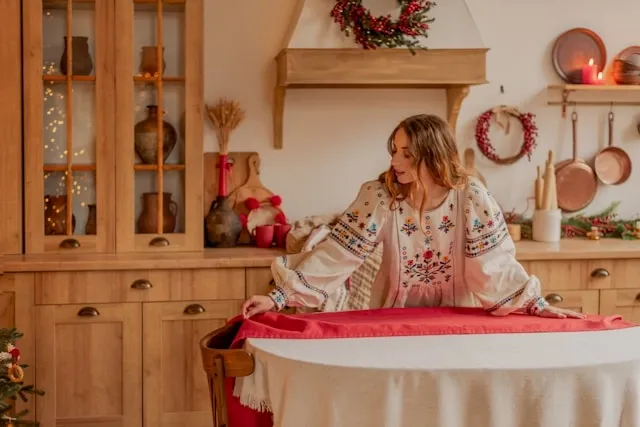
The best decorative ideas depend on the room and the fabric. Decorative stitching, for example, can add detail without making the tablecloth fussy. Table textiles shape social and aesthetic dining experiences.
Consider the following suggestions:
- Try a simple topstitch near the hem, or use a slightly heavier thread on plain cotton.
- Tassels and pom-poms can be fun, but they suit casual tables more than formal dining.
- Lace trim gives a softer edge.
- Patterned fabrics work well when the tableware is simple.
- Layered table linens are another strong option: use a plain full cloth underneath and a shorter runner on top.
When making a tablecloth tutorial for beginners, we always warn against adding every idea at once. One strong detail is enough.
Frequently Asked Questions About ‘How To Make A Tablecloth’
How Do You Make A Tablecloth?
Measure the tabletop, add the drop on every side, add hem allowance, then cut, fold, press, sew, and press again. That is the basic answer to how to make tablecloths at home.
What Fabric Is Best To Make A Tablecloth?
Cotton is best for beginners, linen is best for a smart natural look, polyester is best for easy care, and vinyl is best for protection. Choose based on how the table is used.