

What Is Event Branding And How To Build Strong Brand Events?
Event branding tends to get reduced to logos and color palettes, which misses the point. When we talk about branding events properly, we are really talking about shaping how people feel in a space, how they remember it later, and whether they connect it back to a brand.
In this guide to event branding, we look at the way a space flows, how materials feel, and even how tables are dressed for insights. Event branding design is not decoration, it is a system.

Key Takeaways
- Event branding is about creating a consistent, lived experience that connects people emotionally to a brand, not just visual decoration.
- Strong branding events combine physical space, messaging, and interaction to build recognition that lasts beyond the event itself.
- A clear event branding strategy improves recall, engagement, and long term trust when executed with consistency across every touchpoint.
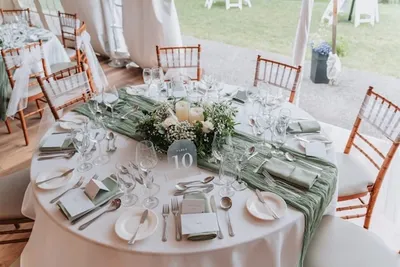
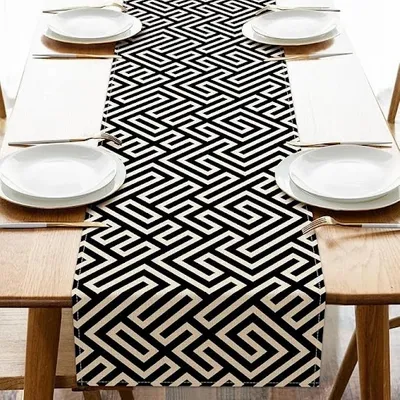
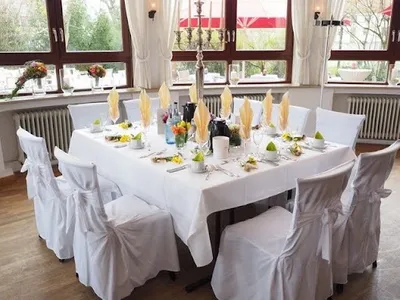
- We supply high-quality custom table covers in a range of shapes and styles that you can use to enhance event branding and connect with your audience.
Table of contents
-
What Is Event Branding?
-
Why Event Branding Is Important For Business Growth And Engagement?
-
What Is An Effective Event Branding Strategy And How Is It Executed?
-
Step-By-Step Process For Building A Strong Event Brand?
-
Core Elements Of Event Branding That Ensure Consistency?
-
What Are The Most Effective On-Site And Experiential Branding Elements?
-
How Does Digital And Virtual Branding Support Event Visibility?
-
How Do Engagement And Brand Activation Strategies Bring Event Brands To Life?
-
How To Measure Event Branding Success And Long-Term Impact?
-
How Post-Event Branding Maintains Brand Equity?
-
How Corporate Event Branding Differ From Other Brand Events?
What Is Event Branding?
At its core, what event branding is comes down to identity in motion. It is the way a brand shows up in a live, virtual, or hybrid environment and makes itself understood without needing explanation.
A branded event feels cohesive from the moment someone arrives. Brand event marketing differs from standard campaigns because people are doing more than just observing - they are inside the experience. That changes expectations.
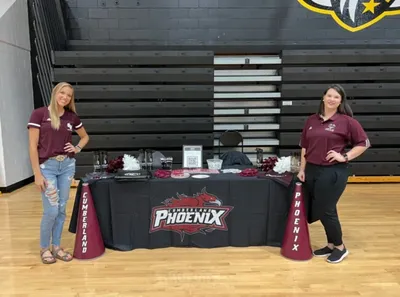
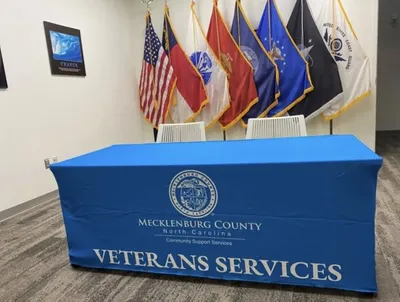
Event branding must go beyond mere visuals like custom fitted table covers with logos to consider:
- Space
- Timing
- Interaction
When done well, event branding creates memory anchors. People leave with a clear sense of what the brand stands for, often without even realizing how that impression formed.
Why Event Branding Is Important For Business Growth And Engagement?
There is a direct link between strong event branding and business outcomes, though it is not always immediate. A well executed event brand creates familiarity, and familiarity tends to lower resistance.
We have seen brand events generate leads not just during the event but weeks later, when attendees reconnect with the experience. Branding an event properly supports both attention and retention. It gives people a reason to engage and a reason to remember.
Corporate event branding in particular can influence perception at a higher level, shaping how partners and clients view credibility. Growth often follows consistent exposure rather than one standout moment.
|
Budget level |
Highest ROI branding elements |
What to skip |
Typical mistakes |
|
Shoestring |
One hero backdrop + table cover + consistent signage |
Too many giveaways |
Mixed fonts/messages |
|
Mid |
Journey-mapped touchpoints + lighting + demo station |
Random décor |
No post-event follow-up |
|
Premium |
Spatial design + experiential activation + content capture |
Overproduction without story |
Experience doesn’t match brand |
How Does Event Branding Strengthen Brand Recognition Credibility, And Trust?
Recognition builds through repetition, but not the obvious kind. Subtle consistency across signage, materials, and tone tends to stick more than loud, inconsistent messaging. Event branding design plays a role here.
When attendees see the same visual language across physical and digital elements, it feels deliberate. That perception translates into credibility. We have noticed that brand event environments that feel organized tend to be trusted more, even when the content is similar.
Trust is rarely declared; it is inferred. For instance, the best tablecloths for events don’t feature loud, insistent messaging, but more subtle messages. Event branding examples that succeed usually do so because every element supports the same story without competing for attention.
Looking to display your logo on a table?
Work with us to create custom tablecloths with logos for any event or occasion to display your brand at events.
What Is An Effective Event Branding Strategy And How Is It Executed?
An effective event branding strategy starts long before design work begins. It begins with clarity of strategy. What should people feel, understand, and do after the event? Without that, branding becomes decorative.
Branding events successfully requires alignment between goals and execution. We recommend that you approach this by mapping every touchpoint, from invitations to on site materials. Remember, consistency matters more than complexity.
An empirical study from 2021 found that experiential marketing increases brand equity, strengthening perceived value. Event branding ideas should reinforce the same message in different forms, not introduce new ones at each stage. Execution then becomes a matter of discipline.
Small inconsistencies can dilute impact quickly, even when the overall concept is strong.
What Are Proven Event Branding Strategies For Successful Execution?
The most reliable event branding strategies tend to start with the audience rather than the brand. It sounds simple, but it shifts everything. When we understand how attendees think and move through a space, branding decisions become more grounded.
Brand activation events, for example, work best when they invite participation rather than observation. Theme development also matters, though it should not feel forced. You can tell stories with things like:
- Branded table covers
- Custom neon signs
- Interactive digital touchpoints
- Promotional giveaways
A cohesive narrative helps guide design and messaging choices.
Successful event branding strategy often blends physical and digital elements seamlessly. People move between both without noticing, which is usually a sign things are working.
Step-By-Step Process For Building A Strong Event Brand?
Building a strong event brand rarely happens in a straight line, but there is a structure behind it. Let’s look at the rough skeleton of a process for this:
- We usually begin with positioning, then move into visual and spatial planning. After that, everything becomes about coordination.
- Timing matters more than people expect. Introducing branding elements too early or too late can reduce their effect.
- Branding event execution benefits from staging. Each phase should prepare attendees for the next.
- Post event communication also plays a role. A strong brand event does not end when the venue clears. It continues through follow ups that reinforce the experience.
The details are up to you, but this structure helps guide your planning and execution for successful event branding design.
How Do You Create A Fully Branded Event Experience?
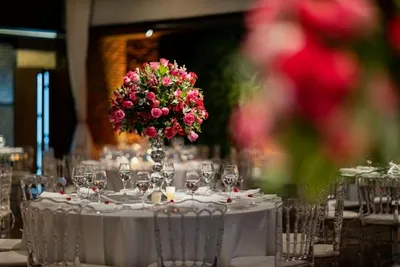
A fully branded event is one where nothing feels accidental. That includes obvious elements like stage design and signage, but also smaller details such as table presentation and material finishes.
Studies show that emotional and sensory design at events strengthens brand perception and encourages post-event advocacy. We have seen custom table covers quietly anchor entire spaces, especially in corporate event branding environments where consistency matters.
Here are a couple more tips:
- Attendee journey mapping becomes important here. From entry to exit, each interaction should feel connected.
- Event branding ideas that focus only on visuals tend to fall short. Experience carries more weight.
When people can move through a space without confusion, the brand feels more credible without saying a word.
Stand out at your next trade show
With our custom trade show table covers with logos, you can get your event branding on point with ease.
Learn moreCore Elements Of Event Branding That Ensure Consistency?
Consistency is built from a few core elements that repeat without becoming predictable. Event brand systems usually include:
- Visual identity
- Tone of voice
- Spatial design logic.
These elements must work together. When one shifts too far, the entire experience can feel disjointed. This is important when considering how to display table runners at a craft show booth or where to carry out demonstrations at a trade show.
Events branding succeeds when these pieces remain aligned across every surface and interaction. We often remind teams that consistency does not mean uniformity. There is room for variation, but it should feel intentional.
Strong event branding examples maintain this balance. They adapt to different contexts while still feeling unmistakably connected to the same brand.
What Visual And Messaging Elements Are Essential In Event Branding?
Visuals tend to get the most attention, but messaging carries equal weight in event branding design. Logos, color palettes, and typography create recognition, yet without consistent language, the experience can feel hollow.
We usually look at how words and visuals interact. A strong event brand speaks in the same tone across different mediums, including:
- Signage
- Screens
- Printed materials
This is where many branding events lose cohesion. The design looks right, but the messaging shifts. When both align, people process information faster. They understand where they are and what the brand represents without needing explanation, which is often the main goal.
What Are The Most Effective On-Site And Experiential Branding Elements?
On site branding works best when it feels integrated rather than layered on top. Large elements like stages and booths draw attention, but smaller details often shape perception. Enhance the overall experience by focusing on things like:
- Flooring
- Lighting
- Table setups
We have seen event branding examples where a well considered layout did more than oversized graphics. Experiential branding becomes effective when people interact naturally with the environment. Brand activation events rely on this.
The more intuitive the space feels, the more likely attendees are to engage. Work with us to create custom stretch table covers with logos for powerful additions to the space. Our products are highly customizable and available at competitive prices, with generous bulk discounts as well.
What Are Essential On-Site And Digital Branding Touchpoints?
Touchpoints are where event branding becomes tangible. On site, this includes signage, booths, registration areas, and even transitional spaces like corridors. Digitally, it extends to event websites, confirmation emails, and social content.
The challenge is maintaining consistency between both. We often see strong physical branding paired with disconnected digital experiences. That gap weakens the overall impression.
Experts offer a structured framework for managing event branding elements, but parity between the physical and digital is always important. Branding an event effectively means treating every interaction as part of the same system.
When digital and physical elements align, attendees move between them without friction. The experience feels continuous rather than segmented, which supports stronger recall.
How Does Digital And Virtual Branding Support Event Visibility?
Digital branding extends the life of an event beyond its physical boundaries. Before the event, it builds anticipation. During the event, it amplifies reach. Afterward, it helps sustain momentum.
Event branding strategy should account for this full timeline. Virtual elements also introduce flexibility. People can engage without being present, which changes how brand events are experienced.
We have found that consistent digital branding with clear messaging improves:
- Attendance
- Engagement
- Retention
Event branding ideas that work well offline often translate effectively online, provided they are adapted rather than copied directly.
Need to cover multiple tables at an event?
Enjoy consistent branding on a budget with our custom cheap tablecloths in bulk, suitable for events of all sizes.
How Do Engagement And Brand Activation Strategies Bring Event Brands To Life?
Engagement is where event branding shifts from passive to active. Brand activation events focus on participation, not just observation. When people interact with a brand, they tend to remember it more clearly.
This can take many forms, including:
- Interactive displays
- Guided experiences
- Product demonstrations
- Keynote speeches
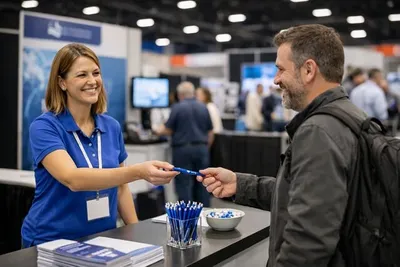
- Branded promotional giveaways like custom paper coasters
- Strategic games
The key is relevance. Activities should feel connected to the brand rather than added for entertainment. We have seen event branding examples where simple interactions outperformed complex setups because they felt authentic.
Engagement works best when it aligns with the broader event branding strategy, reinforcing the same message through action rather than explanation.
How Do Brand Activation Events Drive Emotional Connection?
Emotional connection often develops through experience rather than messaging. Brand activation events create moments that feel personal, even within large environments. This is where storytelling becomes important.
Instead of presenting information, the brand invites people into a narrative. Studies suggest that brand activation events significantly shape how consumers perceive a brand. We have noticed that attendees remember how something felt long after they forget specific details.
Event branding design should support this by creating environments that encourage immersion. When people feel involved, they associate that feeling with the brand itself. Over time, those associations build trust and familiarity in a way traditional marketing rarely achieves.
How To Measure Event Branding Success And Long-Term Impact?
Measuring event branding success requires looking beyond immediate metrics. Attendance and engagement provide useful signals, but they do not tell the full story. Long term impact often shows up in things like:
- Brand recall
- Follow up interactions
- Conversion patterns
Many brands execute follow up strategies like feedback surveys or special offers for attendees.
We usually track how attendees behave after the event. Do they return, engage, or refer others? Event brand effectiveness becomes clearer over time. You can work on how to make your corporate event stand out, but the results will only show themselves later.
Branding events is not just about short term visibility. It is about creating impressions that continue to influence decisions. A strong event branding strategy supports both immediate results and ongoing brand equity.
Keep your brand front and center during presentations
Create a custom demonstration table cover that fits your brand and serves its practical purpose during demonstrations and presentations.
Get startedHow Post-Event Branding Maintains Brand Equity?
What happens after an event matters as much as what happens during it. Post event branding reinforces the experience while it is still fresh. This can include things like:
- Follow up emails
- Content sharing
- Continued engagement through digital platforms
Researchers highlight that there should be alignment between event identity and brand identity, and this extends to your post-event branding too.
The goal is continuity. We want attendees to feel that the experience did not end abruptly. Event branding ideas should extend naturally into this phase - when done well, post event communication strengthens the original impression rather than repeating it.
This helps maintain brand equity over time, keeping the event relevant even after it has concluded.
How Corporate Event Branding Differ From Other Brand Events?
Corporate event branding tends to operate under different expectations compared to consumer focused events. There is often a stronger emphasis on professionalism, clarity, and credibility. Messaging needs to align with broader business goals, not just engagement.
We have found that corporate event branding benefits from restraint. Here are a few key tips:
- Overly complex designs can distract from the core message.
- Stakeholder alignment also plays a larger role.
- Multiple perspectives need to be considered, which can influence decisions.
Despite these differences, the fundamentals remain the same. Consistency, clarity, and thoughtful execution still define successful branding events in any context. This applies to your custom bulk rectangle tablecloths, signage, and any other branded element you include.
Frequently Asked Questions About Event Branding
What Is Event Branding?
Event branding is the process of creating a consistent identity across an event, shaping how people perceive and remember the experience through design, messaging, and interaction.
Why Is Event Branding Important For Business Growth And Engagement?
It builds recognition, strengthens trust, and supports long term relationships by turning events into memorable brand experiences rather than isolated moments.