

How To Sew A Table Runner For Easy DIY Results
Table runners can change how a dining table feels, but many people assume sewing one is complicated - the truth is far simpler. Once we understand the basics of how to sew a table runner, it becomes quite approachable. In this guide, we explore how to make table runners.
Key Takeaways
- Sewing a table runner is a simple beginner sewing project that teaches measuring, cutting fabric, and finishing edges neatly.
- With the right fabric and careful measurements, making table runners at home can produce results that look polished and durable.
- Simple sewing techniques like straight seams and pressing edges make it possible to sew a table runner that looks professional.
- We supply high-quality custom table runners in various materials, sizes, and designs so you can get what you need without the DIY effort.
Table of contents
How To Sew A Table Runner?
Learning how to sew a table runner is often the first decor project many people attempt when they start sewing. The reason is simple: it combines a useful household item with very straightforward sewing steps.
When we talk about sewing a table runner, the process usually starts with the following:
- Measuring the table
- Selecting the fabric
- Deciding how long the runner should hang over the edges
From here, the project moves into cutting fabric pieces, stitching layers together, and finishing the edges cleanly. The entire process is a very manageable one, even for beginners.
This guide walks through materials, measurements, sewing techniques, and design ideas to ensure making a table runner becomes less intimidating and much more enjoyable.
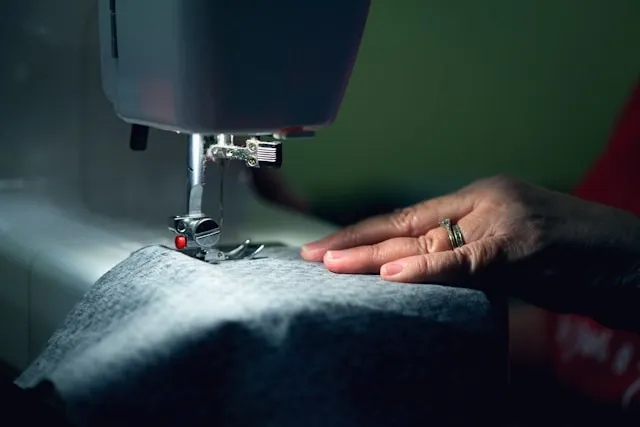
How To Make Table Runners?
When people ask how to make table runners, the process usually follows a simple fabric structure. Most runners include a top fabric layer that provides the design, along with a backing fabric that gives the piece stability.
Some designs also add a thin batting layer between them to create a softer, slightly padded feel. Making table runners generally involves:
- Cutting these layers to the same size
- Aligning them carefully
- Stitching around the edges
The sewing techniques remain fairly basic, whether you are creating custom trade show table covers or something for home dining. Straight seams, pressing fabric flat, and careful trimming do most of the work.
With those small steps done properly, even a beginner can create a runner that looks surprisingly polished on a dining table.
|
Fabric Type |
Ease of Sewing |
Drape & Structure |
Maintenance |
Best Use Case |
|
Cotton (quilting cotton) |
Very easy; stable fabric that feeds smoothly through the machine |
Medium drape; holds shape well without being stiff |
Machine washable; minimal shrinkage if prewashed |
Best for beginners and everyday table runners |
|
Linen |
Moderate difficulty; can shift while cutting or sewing |
Soft, elegant drape; slightly textured appearance |
Wrinkles easily; may require ironing |
Formal dining tables or rustic/natural décor |
|
Polyester |
Easy; durable and resistant to stretching |
Medium structure; less natural drape than cotton |
Highly wrinkle-resistant and stain-resistant |
Practical runners for frequent use or family dining |
|
Cotton-Linen Blend |
Easy to moderate; more stable than pure linen |
Balanced drape with a slightly textured finish |
Easier care than linen; still breathable |
Decorative runners with a natural aesthetic |
|
Canvas / Heavy Cotton |
Moderate; thicker fabric may require a stronger needle |
Structured and firm; holds shape well |
Durable and washable but slower to dry |
Bold or rustic runners where structure is desired |
How To Sew A Table Runner Step By Step
Following a clear sequence makes sewing projects much easier, especially for beginners. When learning how to sew a table runner step by step, it helps to break the process into manageable stages.
- First comes measuring the table so the runner fits proportionally.
- Next is cutting the fabric pieces with the proper seam allowance included.
- After that, the fabric layers are sewn together, pressed flat, and finished along the edges.
These stages sound simple, yet skipping or rushing one often leads to uneven seams or crooked corners. In our experience, patience during measuring and pressing produces the biggest improvements.
A study from 2022 found that needle size, thread type, and fabric composition are key to seam strength. Organized steps and careful preparation help beginners avoid frustration while building confidence with each completed section.
Step 1: Measure Your Table For The Runner
Before sewing anything, accurate measurements matter more than people expect. When starting how to make a table runner, we usually begin by measuring the length and width of the table surface.
Most runners extend beyond the table edges slightly, creating a decorative overhang. That drop typically ranges from six to ten inches on each side depending on the style someone prefers. The width of the runner also plays a role in the overall appearance:
- Too narrow and it may look lost on the table.
- Too wide and it competes with place settings.
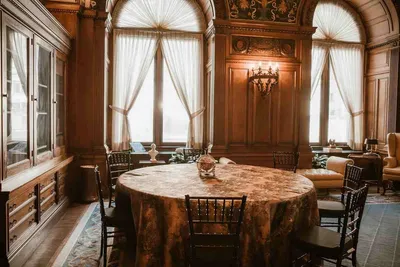
Taking careful measurements at the start helps ensure the final runner sits neatly and looks balanced across the table. This is key to how to display table runners at a craft show booth or on a dining table.
Step 2: Cut Fabric For Sewing A Table Runner
Once measurements are confirmed, the next step in sewing a table runner is cutting the fabric pieces. The main fabric and backing fabric should match the planned dimensions, but seam allowances must also be included.
Most sewing projects add about half an inch around each edge to allow space for stitching. Using accurate tools makes this step much easier:
- A rotary cutter paired with a clear ruler and cutting mat helps produce straight, consistent cuts.
- Scissors can work as well, though they require a steady hand.
We often recommend cutting slowly rather than rushing. Clean edges make the next sewing steps easier and improve the finished appearance of the runner.
Step 3: Sew And Assemble The Table Runner
With the fabric pieces cut, sewing the layers together becomes the next stage of making a table runner. Place the top fabric and backing fabric with their right sides facing each other so the patterned surfaces touch. Pin the edges carefully to keep everything aligned during sewing.
When stitching around the perimeter, it is important to leave a small opening along one side. That gap allows the fabric to be turned right side out later. Maintaining straight seams during this stage makes a visible difference once the runner is finished.
Even beginners usually find this step manageable since it relies mainly on consistent stitching rather than complicated techniques. Designs can match custom neon signs or table decor elements - you have complete control over the aesthetic.
Step 4: Turn, Press And Finish The Table Runner
After sewing the perimeter, the runner can finally be turned right side out through the opening left earlier. This moment often feels satisfying because the project suddenly looks like a finished piece.
Here are some tips:
- Gently pushing out the corners with a blunt tool helps create sharp edges without tearing the fabric.
- Pressing the runner with an iron smooths the seams and shapes the fabric neatly.
- The final step usually involves topstitching around the outer edge. This closes the turning gap and reinforces the structure of the runner.
Pressing during this stage should not be rushed. Crisp edges give the finished table runner a noticeably more professional appearance. Research in restaurants suggests that table runners are common in fine dining where material, color, and function are all important.
How To Sew A Reversible Table Runner
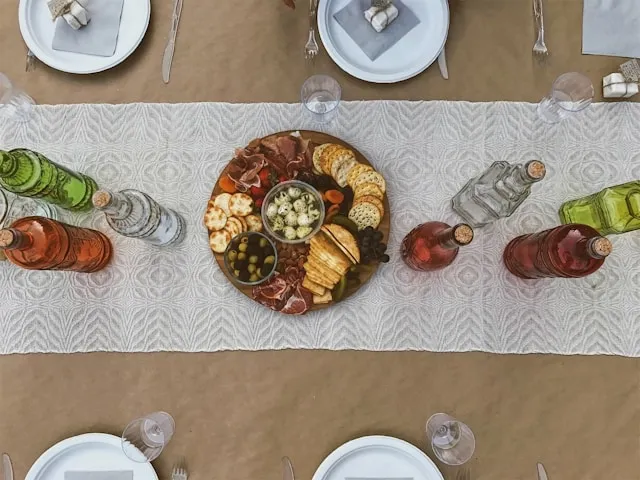
A reversible table runner is a practical twist on a classic sewing project. Instead of using a single decorative fabric, this approach combines two different fabrics so the runner can be flipped depending on the setting or season.
When sewing a table runner this way, both sides are treated as finished surfaces rather than hiding one backing layer underneath. Many people choose contrasting colors or patterns to create variety
- One side might suit everyday meals.
- The other may work better for holidays or formal gatherings.
We often recommend this method for beginners because it adds visual interest without adding much complexity. Use a table runner size chart to determine the optimal dimensions - the sewing process stays simple while the finished runner becomes more versatile.
Quick Method For Making A Reversible Table Runner
Sometimes the goal is speed rather than intricate detail. A quicker approach to making table runners focuses on minimizing sewing steps while still producing a clean finish.
One common technique involves sewing the two fabric layers together around the edges, leaving a small opening that allows the runner to be turned right side out. This envelope style construction removes the need for complicated seam finishes.
After turning the runner and pressing the edges flat, a simple topstitch secures everything neatly. We have used this shortcut when creating runners for events or seasonal decor where time is limited. It keeps the process efficient without sacrificing the overall appearance of the finished piece.
Research from 2021 shows that interior textiles are selected based on durability, aesthetic design, and more - this quick method can check all the right boxes.
Looking for an elegant and durable table runner?
Skip the DIY work and use our service to create custom linen table runners at a size and price that works for you.
What Supplies Are Needed To Make A Table Runner?
Starting a sewing project always becomes easier when the right supplies are ready beforehand. When learning how to make table runner designs at home, the materials remain surprisingly simple:
- Fabric for the top and backing layers usually forms the core of the project.
- Some people also add batting if they want a slightly thicker runner with more structure.
- Beyond the fabric itself, a few basic sewing tools make the process smoother. Measuring tools, cutting equipment, thread, and a sewing machine handle most of the work.
Many beginners already have the items they need at home. Gathering supplies in advance helps the project move forward without interruptions once the sewing begins. Alternatively, work with us to create custom table runners in any size and style and enjoy premium craftsmanship and competitive prices, with bulk discounts available.
Basic Sewing Tools And Materials
The tools used for sewing a table runner are mostly the same items found in any basic sewing kit. A sewing machine, scissors, pins, and more are all important:
- A reliable sewing machine helps produce consistent seams, though small runners can technically be sewn by hand.
- Sharp scissors or a rotary cutter are essential for cutting clean fabric edges.
- Pins or fabric clips hold layers together while stitching.
- Measuring tapes and quilting rulers help ensure the runner stays symmetrical.
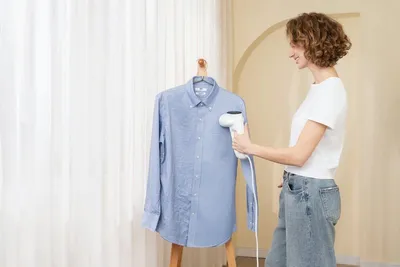
- One tool people often overlook is the iron. Pressing fabric between steps keeps seams crisp and prevents small wrinkles from becoming permanent.
We have noticed that beginners who press their fabric regularly tend to achieve much neater results when sewing decor projects. Research from 2025 finds that traditional textiles can bring cultural identity and decoration into interior design, but presentation is everything.
Best Fabric For Sewing A Table Runner
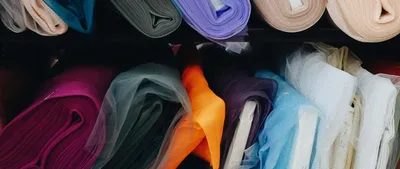
Fabric selection plays a surprisingly large role in how a table runner looks and performs. Cotton remains one of the most popular choices because it is easy to cut, sew, and press. It also holds its shape well after washing. But there are other options:
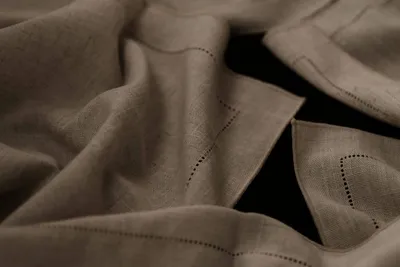
- Linen offers a more textured, relaxed appearance that many people enjoy for casual dining spaces.
- Polyester is very durable, easy to work with, and suitable for customizing in various ways.
Heavier fabrics can create a structured runner, while lighter fabrics produce a softer drape. Pattern and color also influence the final result. Bold prints draw attention while neutral tones blend quietly into the table setting.
When we discuss how to make table runners that last, comparing table throws and table runners vs tablecloths, durable fabrics often produce the most reliable long term results.
Create unique table runners for your wedding
With our service, you can create custom personalized wedding table runners, with bulk options available, to prepare for your reception.
Learn moreHow Much Fabric Do You Need For A Table Runner?
Determining fabric quantity begins with the size of the table. A runner usually extends beyond the tabletop slightly, creating a decorative drop on both ends. For many tables this overhang falls somewhere between six and ten inches.
Once the total length is calculated, extra fabric must be added for seam allowances. When making a table runner with both a top layer and backing fabric, the same amount of fabric is required for each layer. If batting is included, that layer should match the finished dimensions as well.
Measuring carefully before buying fabric prevents waste while ensuring the runner fits properly once sewing begins. Ancient textile production involved spinning, weaving, dyeing, and sewing techniques - modern production is far simpler and more convenient.
Interested in a more sophisticated table runner style?
Work with us to create custom personalized monogram table runners to get a unique, high-quality design on a durable runner at a great price.
Do You Need Batting When Sewing A Table Runner?
Batting is optional when sewing a table runner, but it can change the feel of the finished piece. Batting is a soft inner layer placed between the top fabric and backing fabric. Its main purpose is to add thickness and structure.
- Some runners benefit from this extra layer, especially if the goal is a slightly padded look that holds its shape across the table.
- Other designs work perfectly well without it, particularly lightweight decorative runners.
We usually suggest adding batting when quilting or decorative stitching will be part of the design. Without quilting, a simpler two layer runner often feels lighter and easier to maintain. Think about accessories like custom vinyl coasters and placemats when creating designs.
How Long And Wide Should A Table Runner Be?
Runner dimensions depend largely on the table itself and the visual style someone prefers. The width typically falls between twelve and eighteen inches, though wider tables may require slightly broader runners for balance.
Length is more flexible. Many designs allow the runner to extend several inches beyond each edge of the table. The benefits of that drop are that it:
- Adds movement
- Helps frame the dining area visually
Some modern styles keep the runner shorter so it sits fully on the tabletop without hanging - neither approach is wrong. When learning how to sew a table runner, experimenting with proportions often helps people discover what feels right for their specific table setup.

Tips For Sewing A Table Runner Successfully
Small habits during sewing can dramatically improve the final result. For example, straight seams often depend on taking time during the setup stage rather than rushing through stitching. Let’s look at a few other tips:
- Pressing fabric after each seam helps maintain clean edges and prevents the runner from twisting slightly during assembly.
- Accurate measurements should always be confirmed before cutting fabric.
- Beginners should test stitch settings on a scrap piece of fabric first. This quick check prevents tension issues from appearing on the final piece.
- Once material is cut, mistakes become harder to correct.
Sewing projects tend to reward patience. Careful preparation and steady stitching usually lead to custom craft fair table runners that look polished.
Frequently Asked Questions About How To Sew A Table Runner
Is Sewing A Table Runner Easy?
Yes. Sewing a table runner is one of the simplest decor sewing projects. With basic measuring, cutting, and straight stitching, beginners can complete one successfully even with limited sewing experience.
How To Make Table Runners At Home?
Making table runners at home usually involves measuring the table, cutting top and backing fabric, sewing the edges together, turning the runner right side out, and finishing with a neat topstitch.