

How To Protect Wood Dining Table For Long-Lasting Durability And Shine
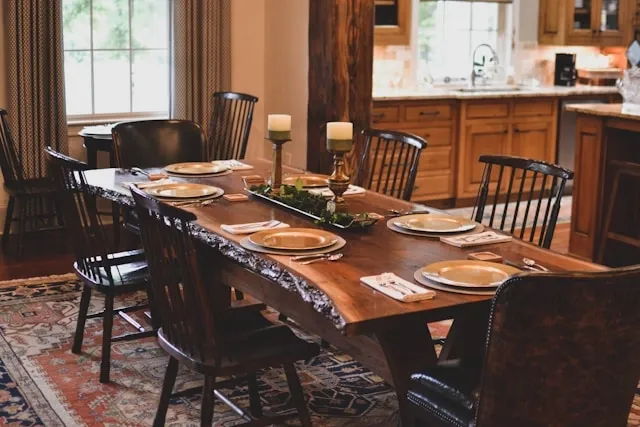
A wood dining table takes more daily impact than we notice, and the marks it leaves can be permanent. Learning how to protect wood dining table surfaces can help keep the finish intact while still using it normally. This guide combines covering, sealing, and simple habits for best results.

Key Takeaways
- Protecting wood tables comes down to layers. Covers, finishes, and daily habits all work together to reduce wear over time.
- Heat, moisture, and friction cause most damage, so controlling those factors prevents long-term issues before they start.
- The best protection balances function and appearance, allowing regular use without exposing the surface to constant risk.
- We supply high-quality custom table covers in a range of shapes and styles that offer protection and add aesthetic appeal to wood tables.
Table of contents
-
How To Protect Wood Dining Tables?
-
What Can You Put On Top Of A Wood Table To Protect It?
-
What Are The Best Placemats To Protect A Wood Table For Daily Use?
-
Should You Use A Glass Top Or Protective Cover To Protect A Wood Dining Table?
-
What Is The Best Protective Finish For A Wood Dining Table?
-
How To Make A Wooden Dining Table Scratch Resistant?
-
What Causes Scratches And Damage On Wood Dining Tables?
-
How Should You Clean And Maintain A Wood Table Daily?
-
What Daily Cleaning Habits Help Prevent Damage To A Wood Table?
-
How Do You Protect A Wood Dining Table During Outdoor Parties?
-
Why Do Tables Need Protection Even Without Tablecloth Coverage?
How To Protect Wood Dining Tables?
Damage usually builds slowly - a cup here, a scratch there, and over time the surface loses its finish. That’s the problem we solve when we focus on how to protect wood table top areas properly.
Here’s a simple approach you can take:
- Start with sealing. A strong finish creates a base layer that resists moisture.
- Add surface protection. Things like placemats or table covers are ideal for daily use.
- React quickly. Wipe spills quickly rather than leaving them to sit.
It’s important to think about heat protection too, especially for hot dishes and drinks. From experience, skipping any of these steps often leads to visible wear within months. When you keep all three in place, it makes a noticeable difference without changing how the table is used.
What Can You Put On Top Of A Wood Table To Protect It?
Leaving a wood table exposed works until it doesn’t. We start noticing marks once daily use adds up. To prevent that, we add a layer between the surface and everything else. This could be a fabric cover, a vinyl protector, or even a fitted pad.
Each option handles impact differently:
- Fabric looks better but absorbs spills.
- Vinyl resists water but can feel less natural.
For lighter use, temporary covers work well. For heavy use, we lean toward something more durable. The key is choosing the right custom printed tablecloths based on how often the table is used, not just how it looks in a quiet room.
|
Protection Option |
Spill Resistance |
Heat Resistance |
Scratch Protection |
Looks |
Maintenance |
Best For |
|
Cloth tablecloth |
Medium |
Low |
Low-Medium |
Soft/formal |
Wash regularly |
Occasional dining |
|
Vinyl cover |
High |
Medium |
Medium |
Functional |
Wipe clean |
Family use |
|
Cork placemats |
Low-Medium |
High |
Medium |
Natural |
Easy |
Hot dishes |
|
Silicone placemats |
High |
High |
Medium |
Less refined |
Very easy |
Kids/daily use |
|
Glass top |
High |
Medium |
High |
Preserves visibility |
Fingerprints |
High-traffic spaces |
|
Protective film |
Medium |
Low-Medium |
Low-Medium |
Discreet |
Replaceable |
Light wear |
What Is The Best Way To Cover A Wood Table Top Without Damaging It?
Covering a table sounds simple, but the wrong material can trap moisture or leave marks. There are both pros and cons to things like vinyl, glass, and fabric, so you need to weigh up what will work for you:
- Vinyl is waterproof but can stick to finishes when left too long.
- Glass protects well but adds weight and shows fingerprints.
- Fabric covers are safer but need regular cleaning.
When we think about how to cover a wood table, we match the material to the setting. For everyday dining, a breathable fabric layer works best. For workspaces or heavy use, a clear protective layer adds durability.
The goal is to protect without sealing in heat or moisture, since that can damage the finish underneath over time. It can help to add varnish coatings to prevent water damage, staining, and surface degradation.
Looking to cover a rectangular wooden table?
Our custom rectangle tablecloths can be made to measure for any table size and they offer stylish protection for your wood tables.
What Are The Best Placemats To Protect A Wood Table For Daily Use?
Placemats take the first hit during meals, so choosing the right type matters. We’ve tested cloth, cork, and silicone, and each plays an important role in keeping surfaces in good condition:
- Cloth feels natural and works for light use, but it absorbs spills quickly.
- Cork adds a bit of structure and handles heat better, which helps with hot plates.
- Silicone offers the most protection from moisture and heat, though it can feel less refined.
When deciding how to protect dining table surfaces daily, we often mix materials. Heat-resistant mats for meals, softer ones for general use. Similar rules apply to custom cork coasters and other materials for different types of drinkware..
Are Cloth Or Plastic Placemats Better For Covering A Wood Dining Table?
The answer to this comes down to use, not preference. Cloth placemats look better in most settings, but they don’t block moisture well. Plastic or silicone options create a barrier, which helps with spills and heat.
We’ve used both in different situations:
- For casual meals or homes with kids, plastic tends to hold up better. It wipes clean and prevents stains from reaching the wood.
- For more formal settings, cloth works if we stay on top of cleaning.
When we think about how to cover a wooden table top properly, we don’t rely on one material alone. It’s similar to choosing the best tablecloths for events - adjust based on how the table is used.
Should You Use A Glass Top Or Protective Cover To Protect A Wood Dining Table?
A glass top changes how a table functions. It creates a solid barrier against scratches and spills, which makes cleaning easier. We’ve used glass in high-traffic spaces where durability matters most.
The downside of this shows up quickly, however. Frustration comes from:
- Fingerprints
- Smudges
- Added weight
Protective covers offer more flexibility. They are easier to remove and adjust as needed. Essentially, glass suits long-term protection in busy areas while covers work better when we want something adaptable.
Work with us to create custom size tablecloths from polyester with bespoke designs and a range of customization options. Our products are wrinkle-resistant and built to last, and you can get them at competitive prices, with generous bulk discounts available too.
Are Glass Covers Or Protective Films Better For Wood Table Protection?
Both options protect, but they do it differently. Glass gives full coverage and strong resistance to impact. It’s stable, but not flexible. Protective films are thinner and less noticeable, which makes them appealing for lighter use.
We’ve applied films to preserve the look of the wood while adding a basic shield. They handle small scratches but won’t stop heavy impact. Cost also plays a role:
- Films are cheaper and easier to replace.
- Glass is a bigger upfront investment.
Coatings and covers offer protection against scratches and dents. When we decide how to cover wood table top areas, we match the level of protection to how much wear the surface will see.
Choose a fitted look to ensure optimal coverage
Give your wood tables comprehensive coverage with custom fitted table covers that hug the contours to protect against spills and scrapes.
Learn moreWhat Is The Best Protective Finish For A Wood Dining Table?
A good finish is the foundation of protection. Without it, everything else works harder. We usually compare polyurethane, varnish, and lacquer to find the right finish for different situations.
- Polyurethane stands out for durability and water resistance. It handles daily wear better than most.
- Varnish adds a strong protective layer but takes longer to cure.
- Lacquer gives a smooth look, though it’s less resistant to heat and moisture.
In practice, we lean toward polyurethane for most dining tables. It balances strength and ease of maintenance, shielding against scratches and moisture from things like custom effervescent white wine glasses. Choosing the right finish early reduces the need for constant repairs.
Do You Need To Seal A Wood Dining Table?
Unsealed wood absorbs everything. Spills, oils, even humidity in the air. That leads to stains and uneven coloring over time. Sealing creates a barrier that keeps moisture out.
We’ve seen tables darken in patches simply from daily use without protection. Sealing doesn’t make the table indestructible, but it slows damage significantly. For anyone asking how to protect wood dining table surfaces long term, sealing is the first step.
Skipping this usually means dealing with stains that can’t be removed later. A sealed surface gives us more flexibility with cleaning and everyday use, but you have to think about its resistance to scratches and abrasion as well as spills.
How To Make A Wooden Dining Table Scratch Resistant?
Scratches come from small, repeated actions. Sliding plates, dragging objects, and even dust can wear down the surface. We reduce this by adding protective layers where it matters most, shielding against the things that cause damage.
Friction can be absorbed by things like:
- Placemats
- Table runners
- Pads
The finish also plays a role - a harder coating resists marks better than a soft one. We also adjust habits, choosing to lift items instead of dragging them for a noticeable difference over time.
When we focus on how to protect wood table top areas from scratches, it’s not one solution. It’s a mix of the best table covers and protective measures and behavior that keeps the surface intact longer.
What Causes Scratches And Damage On Wood Dining Tables?
Damage rarely comes from one big event - it builds from daily use. Small particles under plates act like sandpaper. Heat from dishes weakens the finish. Moisture seeps in when spills sit too long.
We’ve seen all three combine to dull a table within a year. Preventing this starts with awareness:
- Use pads under heavy items
- Place mats for meals
- Wipe spills quickly
Advanced coatings improve durability and wear resistance. Regular checks help to catch early signs of wear and adjust before damage spreads. When we understand what causes the problem, protecting the table becomes more straightforward.
Preparing your wooden table for an event?
We supply high-quality custom black event tablecloths so your wood table will be protected even with multiple diners sitting around it.
How Should You Clean And Maintain A Wood Table Daily?
Cleaning habits shape how long a table lasts. We keep it simple. A soft cloth and mild cleaner handle most daily needs, enabling you to be gentle on that all-important wood surface.
Here are some more tips:
- Harsh chemicals strip the finish, so we avoid them.
- After meals, we wipe the surface to remove crumbs and moisture. It takes less than a minute but prevents buildup.
- For deeper cleaning, we use products designed for wood, not general-purpose sprays. This keeps the finish intact.
Consistency is more important than intensity. Small, regular care keeps the table looking clean so you can continue making the most of your simple aesthetic wooden table decor ideas.
What Daily Cleaning Habits Help Prevent Damage To A Wood Table?
Daily use creates patterns, and the way we treat the table makes a bigger difference than we think. Setting down hot items without protection leaves marks. Letting spills sit causes stains. These are habits we must adjust over time.
With consistency, you will find that the following happens:
- Coasters become routine
- Mats stay in place
- Wiping the surface after use becomes automatic
These small changes reduce wear without adding effort. When we think about how to protect dining tables without tablecloths, behavior plays a big role. The table stays exposed, so our habits become the main line of defense against damage.
Add layered protection to keep your wood tables safe
Work with us to create custom white table runners in bulk to lay on top of tablecloths for dual-layer protection that keeps your wood tables safe.
Get startedHow Do You Protect A Wood Dining Table During Outdoor Parties?
Outdoor use adds new risks. Sunlight, moisture, and temperature changes all have an effect on wood surfaces. We prepare differently for these situations - here are some suggestions from our experience:
- A fitted cover or thick tablecloth provides a temporary barrier.
- Underneath, we sometimes add a pad for extra protection.
- Drinks and food stay on mats to prevent direct contact.
- After the event, we clean and dry the surface right away, as leaving moisture overnight can cause lasting damage.
These steps don’t take much time, but they prevent problems that are harder to fix later. It can all be helped with oil and wax finishes to improve the table’s base resistance to liquids and wear.
Why Do Tables Need Protection Even Without Tablecloth Coverage?
A table can look fine while slowly wearing down. UV light fades the finish while moisture in the air shifts the wood over time. Even light use leaves marks that build gradually. We’ve seen tables lose their shine without any obvious damage at first.
All of this is why protection is crucial, even when we prefer a bare surface. Using small barriers like placemats and keeping up with maintenance helps preserve the look. Custom table linens add a touch of style whilst providing a comprehensive barrier, but you need other protections in their absence.
It’s less about reacting to damage and more about preventing it before it becomes visible.
Frequently Asked Questions About How To Protect Wood Dining Table
What is the best way to protect a wood dining table?
We combine a strong finish with daily protection like placemats and quick cleaning. This reduces wear from heat, moisture, and friction.
What can you use to cover a wood table for protection?
Fabric covers, vinyl layers, glass tops, and protective films all work. The right choice depends on how often the table is used and the level of protection needed.