

How To Steam Tablecloths For Wrinkle-Free Event-Ready Linens
Wrinkled tablecloths have a way of showing up at the worst time, but learning how to steam tablecloths changes that experience fast. In this guide, you will learn how to turn a wrinkled tablecloth into something event-ready with smooth results and minimal stress.
Key Takeaways
- Steaming tablecloths is faster and safer than ironing, especially for large linens, and helps avoid burn marks or stiff creases.
- The best way to steam tablecloths depends on setup. Hanging works best for deep wrinkles, while flat steaming is practical for quick fixes.
- Preparation matters. Clean water, proper spacing, and steady strokes make the difference between patchy results and a smooth, even finish.
- We supply high-quality custom wrinkle-resistant tablecloths that require minimal steaming to maintain their pristine appearance.
Table of contents
-
How To Steam Tablecloths?
-
What Is The Step By Step Process To Steam A Tablecloth Properly?
-
Can You Steam A Tablecloth On The Table Without Hanging It?
-
How Long Does It Take To Steam Tablecloths Efficiently?
-
How To Steam Tablecloths For Events And Large Setups?
-
Why Is Steaming Better Than Ironing For Table Linens?
-
What Are Tablecloth Steamers And How Do They Work?
-
How Do Different Fabrics Affect The Way You Steam Tablecloths?
-
What Common Mistakes Should You Avoid When Steaming Tablecloths?
-
What Are Alternative Ways To Remove Wrinkles From Tablecloths Without Steaming?
-
How Should You Store Tablecloths After Steaming To Keep Them Wrinkle-Free?
How To Steam Tablecloths?
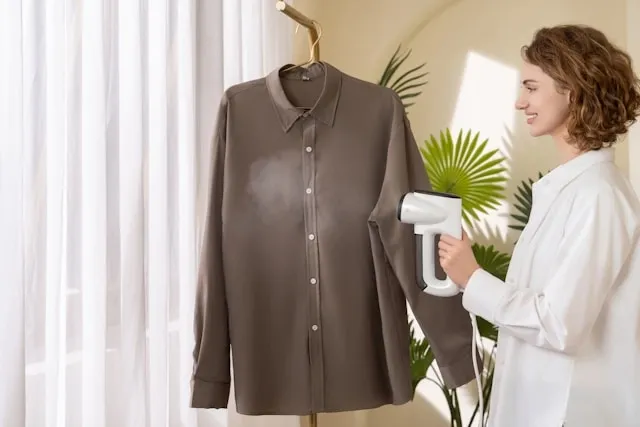
Wrinkles tend to take hold on large linens and pulling out an iron risks making things worse. We’ve seen uneven lines and missed sections more times than we care to admit. Steaming tablecloths solves that by relaxing the fibers instead of pressing them flat.
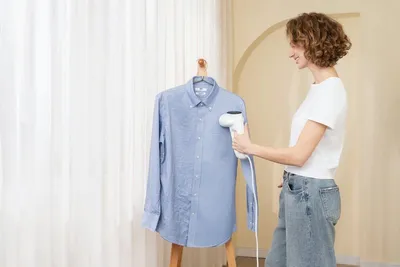
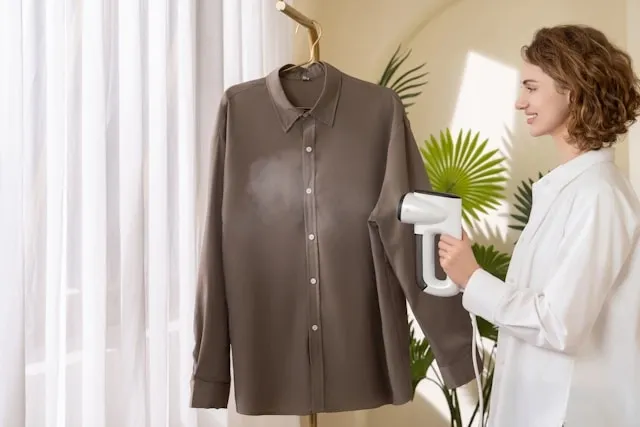
The process starts with a simple setup. You should hang the tablecloth or lay it flat, fill a steamer with clean water, and let it heat fully. From here, we move slowly, guiding steam across the surface with light, steady passes.
Try to avoid rushing. The goal is even coverage, not speed. Once done, we allow the fabric to rest so moisture can evaporate, leaving a smooth, ready-to-use finish.
What Is The Best Way To Steam Tablecloths For Different Situations?
Not every setup looks the same, and that’s where people get stuck. We might hang one tablecloth and lay another flat, depending on space and time. Let’s compare the two to see when they work best:
- Hanging works best when wrinkles are deep or the fabric is thick. Gravity helps pull the creases out while we steam from top to bottom.
- Flat steaming, on the other hand, fits tighter spaces or last-minute prep. It’s faster but needs more care to avoid uneven spots.
In practice, we switch between both methods. If we’re prepping for an event, we start by hanging, then use flat steaming for touch-ups. That balance gives us cleaner results on custom printed tablecloths without wasting time.
|
Fabric Type |
Safe to Steam? |
Recommended Distance |
Best Method |
Common Risks |
Better Alternative (if needed) |
|
Polyester / Polyester Blends |
Yes (very safe) |
1–2 inches |
Hanging or flat |
Over-wetting can leave damp patches |
None needed — ideal for steaming |
|
Cotton |
Yes |
0–1 inch (closer for deep creases) |
Hanging first, then touch-up flat |
May need multiple passes for heavy wrinkles |
Iron for crisp, pressed finish |
|
Linen |
Yes (but slower) |
0–1 inch |
Hanging only (preferred) |
Deep creases can resist steam |
Iron with damp cloth for stubborn folds |
|
Spandex / Stretch (Lycra blends) |
Yes (carefully) |
2–3 inches |
Hanging while slightly tensioned |
Heat can distort elasticity if too close |
Usually doesn’t need steaming |
|
Satin / Poly-Satin |
Yes (with caution) |
2–3 inches |
Hanging only |
Water spotting, shine marks |
Steam from underside or use low heat iron with cloth |
|
Velvet / Velour |
Yes (light steam only) |
3–5 inches |
Hanging, no direct contact |
Crushing pile, texture damage |
Professional steaming if high-value |
|
Delicate / Sheer Fabrics (e.g. chiffon, organza) |
Yes (very carefully) |
3–5 inches |
Hanging only |
Water marks, distortion |
Use garment bag + steam indirectly |
|
Printed / Branded Tablecloths |
Yes (recommended) |
1–3 inches |
Hanging or underside steaming |
Fading or distortion if over-wet |
Steam from reverse side for safety |
What Is The Step By Step Process To Steam A Tablecloth Properly?
Skipping steps often leads to damp patches or missed wrinkles, which can feel like starting over. We keep it simple and structured by prepping thoroughly, steaming carefully, and allowing the tablecloth to dry fully before storing.
Here’s the process in detail:
- Prepare the tablecloth by shaking it out and checking for stains or heavy folds.
- Heat the steamer fully, since weak steam won’t relax fibers properly.
- Begin steaming from the top, moving downward in smooth, overlapping passes. Don’t press hard - the steam does the work. For stubborn creases, we slow down and hover slightly longer.
- Once finished, we let the tablecloth hang or rest flat until dry. Rushing this part often brings wrinkles back.
Steaming improves wrinkle removal efficiency, so it is often held up as the best method to use for tablecloths.
Looking for table covers that are simple to maintain?
Work with us to create custom size tablecloths that can be steamed or pressed easily to maintain their pristine appearance.
Can You Steam A Tablecloth On The Table Without Hanging It?
We don’t always have the option to hang a tablecloth, especially during event setup. The question comes up often: can you steam a tablecloth on the table? Yes, but it requires a bit more care.
Here are the key considerations:
- The flat surface limits how wrinkles release, so we need slower, more controlled passes.
- We also protect the table underneath with a heat-safe barrier, like a thick cloth. This prevents moisture damage.
The main upside is convenience; the downside is that deep creases can linger. When we use this method to get wrinkles out of tablecloths, we focus on smaller sections at a time and avoid over-wetting the fabric. Done right, it still produces a clean finish.
How Long Does It Take To Steam Tablecloths Efficiently?
Time pressure changes everything, especially before an event. We’ve learned that most standard tablecloths take around five to ten minutes to steam properly. Heavier fabrics or larger sizes can push that closer to fifteen.
The real variable is wrinkle depth:
- Light creases smooth out quickly.
- Deep folds take patience.
To save time, we work in batches and keep the steamer running between pieces. Refilling water ahead of time also helps.
When planning, we always add a buffer. If we need ten tablecloths ready, we don’t aim for the exact minimum time. That margin keeps things calm and avoids rushed, uneven results. The same strategy also works for things like custom Puma golf men’s fusion polo shirts and other garments.
Choose polyester table covers for simple steaming
Our custom polyester tablecloths can be steamed but are also wrinkle resistant, so they are good at holding their shape and condition.
Learn moreHow To Steam Tablecloths For Events And Large Setups?
Large events don’t leave room for trial and error. We’ve seen how quickly things fall behind without a plan. The key is workflow - batch the covers and work on them in sequence for efficient use of time.
- We start by grouping tablecloths and steaming them in batches, not one at a time from start to finish.
- While one set hangs and dries, we move to the next, and it helps to know how to fold a round tablecloth properly.
- Timing matters here. We aim to finish steaming a few hours before setup, so everything has time to settle.
During the event, we keep a steamer nearby for quick touch-ups. It’s not about perfection at every stage, it’s about staying ahead so the final setup looks consistent and clean.
Why Is Steaming Better Than Ironing For Table Linens?
Ironing large linens often turns into a struggle. We’ve dealt with dragging fabric across boards, missing sections, and creating new creases by accident. Steaming tends to remove that friction. Here are the benefits in a little detail:
- Instead of pressing fibers flat, it relaxes them with moisture and heat. That difference shows in the finish.
- Steamed tablecloths look smoother and more natural, without harsh lines.
- There’s less risk - irons can scorch or leave shine marks, especially on delicate fabrics. Steamers are gentler.
- From a time standpoint, steaming wins as well - we cover more surface area in less time, which matters when preparing multiple tables.
Steaming improves appearance in linen specifically, with less risk compared to ironing. But it is a great option for many materials, where these advantages show.
What Are Tablecloth Steamers And How Do They Work?
A proper steamer changes the experience entirely. We’re not just talking about any device that produces steam, but units that are designed for fabric care. These steamers heat water and create a steady flow of vapor that we can direct onto the tablecloth.
Here are some key considerations:
- The steam loosens fibers, allowing wrinkles to release naturally.
- Most models include adjustable settings, which is helpful when working with different fabrics.
- For frequent use, a standing steamer offers more power and capacity.
Work with us to create custom rectangle tablecloths and other shapes that can be easily maintained with steaming. Our products are made from polyester with diverse customization options, a wrinkle-resistant design, and competitive pricing for your convenience.
Is A Handheld Steamer Or Standing Steamer Better For Tablecloths?
Choosing the wrong tool can slow everything down. Handheld steamers are convenient and easy to store, which makes them appealing for occasional use. We use them for quick touch-ups or smaller linens.
When it comes to full tablecloths, especially in bulk, handheld steamers fall short:
- The water tank runs out quickly.
- The steam output lacks strength.
When you understand the chemistry of ironing, you see how these limitations are problematic with larger linens.
Standing steamers handle larger jobs better. They produce continuous steam and cover more area efficiently. For anyone regularly steaming tablecloths, the upgrade is worth it. For lighter use, handheld units still have a place.
Want a printed tablecloth that keeps its crisp appearance?
With our custom digital print tablecloths, you can add any personalized design you want and have peace of mind that it will be easy to maintain.
How Do Different Fabrics Affect The Way You Steam Tablecloths?
Not all tablecloths respond the same way to steam. We’ve noticed that fabric type changes everything, from heat tolerance to how wrinkles behave. Let’s compare polyester, linen, and delicate fabrics:
- Polyester blends tend to release wrinkles quickly, which makes them easier to manage. It helps to understand how to wash a polyester tablecloth properly.
- Linen, on the other hand, holds deep creases and needs slower passes.
- Delicate fabrics require more distance between the steamer and the cloth to avoid damage.
Moisture also plays a role. Some materials absorb steam and smooth out evenly, while others need extra time to dry. Paying attention to fabric helps us adjust technique without guessing. That awareness leads to better, more reliable results.
What Fabric-Specific Adjustments Improve Tablecloth Steaming Results?
Treating every tablecloth the same often leads to uneven finishes. We adjust based on material. For example, with polyester, we move at a steady pace since wrinkles release quickly. You also need to take a different approach when working with linen or delicate fabrics:
- Linen needs more patience. We hover slightly longer over creased areas without soaking the fabric.
- For delicate materials, we keep the steamer a few inches away to prevent spotting.
Finishing also makes a difference. After steaming, we smooth the surface lightly with our hands to guide the fabric into place. It’s a small step, but it improves the final look.
Over time, these adjustments become second nature, and the results feel more consistent across different tablecloth types. Moisture improves fabric smoothness, and steam is key to this, but it has to be applied in the right way for the fabric.
What Common Mistakes Should You Avoid When Steaming Tablecloths?
Small mistakes can undo a lot of effort, and one of the most common is over-wetting the fabric. Too much steam leaves damp patches that take longer to dry and can cause new wrinkles. There are a few other common mistakes:
- Uneven strokes: This is where sections are missed or overworked - consistency is crucial.
- Poor setup: Working in a cramped space makes it harder to move smoothly. We make sure there’s enough room to handle the full cloth.
- Rushing: When we try to speed through, wrinkles stay behind. Slowing down and working methodically gives better results without needing to redo sections later.
These rules apply whether you are working with large table covers or small premium dinner napkins. Steam properly for best results.
Choose stretch table covers that rarely need to be steamed
Our custom spandex table covers are designed to stretch tight over tables so they almost never need steaming or pressing.
Get startedWhat Are Alternative Ways To Remove Wrinkles From Tablecloths Without Steaming?
Steaming isn’t always an option, especially when time or equipment is limited. One alternative we’ve used is wrinkle-release sprays as a quick fix. They help relax light creases when combined with gentle smoothing by hand.
Here are the other options available to you:
- Ironing still works as a backup, though it takes more effort with large linens.
- In some cases, placing a tablecloth in a dryer with a damp cloth for a few minutes can reduce wrinkles. It’s not perfect, but it helps in a pinch.
- Controlled drying and flattening is a tried-and-tested technique that takes time but can work.
These alternatives won’t replace steaming for best results, but they can bridge the gap when needed.
How Should You Store Tablecloths After Steaming To Keep Them Wrinkle-Free?
A smooth tablecloth can lose its finish quickly if stored poorly. We’ve learned that proper storage is just as important as steaming. Options include hanging and folding, and you need to be mindful of things like moisture control.
Here are the details:
- Hanging tablecloths is the best option when space allows, since it prevents new folds from forming.
- If folding is necessary, we use wide, loose folds instead of tight creases.
- Moisture control should not be overlooked. Storing linens in a dry, ventilated area helps prevent mildew and keeps fabric fresh.
We avoid stacking heavy items on top, which can press wrinkles back in. Custom wrinkle-free tablecloths with logos can be helpful as they are less likely to let deep creases set in during storage.
How Can Proper Storage Help Maintain Wrinkle-Free Table Linens Longer?
Storage shapes how much work we need to do next time. When tablecloths are stored carefully, we spend less time steaming before use. Here are a few key considerations for this:
- Hanging keeps fabric relaxed, while loose folding reduces pressure points. Over time, this prevents deep creases from forming.
- We’ve also found that rotating tablecloths in storage helps distribute wear evenly. It’s a simple habit, but it extends the life of the linens.
- Keeping the storage area clean and dry also protects fabric quality.
These small choices add up. Instead of starting from scratch each time, we maintain a baseline that keeps tablecloths closer to event-ready.
Frequently Asked Questions About How To Steam Tablecloths
How do you steam a tablecloth?
We hang or lay the tablecloth flat, heat the steamer fully, and move in slow, even strokes. Let it dry fully before use for the best result.
What steps should you follow to steam a tablecloth correctly?
Prepare the fabric, use steady downward passes, avoid over-wetting, and allow time for drying. Consistency matters more than speed.