

How To Swag A Tablecloth For Elegant Event Styling And Professional Results
A bare banquet table reads as unfinished the moment guests walk in, and a flat cloth does little to fix it. Swagging turns that same table into soft, even folds that look styled instead of draped by accident. In this guide, we cover how to swag a tablecloth with fabric choices, pinning methods, and finishing tricks we use at real weddings.

Key Takeaways
- Swagging is pinning and pleating a second layer of fabric over your base cloth, gathering the front edge into even, hanging folds that make an ordinary table look intentional.
- Fabric decides the fold: Light satin and sheer fabrics drape soft and romantic, while mid-weight polyester holds crisp, repeatable pleats and survives reuse.
- Secure into your own linens, not the rental top. Pin the swag to a base skirt or table edge so it cannot sag, and protect rented cloths from holes.
- We supply high-quality custom table covers, runners, and overlays in any size, shape, and color at a great price, with bulk discounts for events that dress many tables.
Table of contents
-
How To Swag A Tablecloth?
-
What Is The Step-By-Step Process For Swagging A Tablecloth?
-
How Do You Attach A Swag To A Table?
-
How Can You Style A Swagged Tablecloth For Different Events?
-
Which Fabrics Work Best For Swagging A Tablecloth?
-
How Can You Make A Swagged Tablecloth Look More Professional?
-
How Do You Care For And Reuse Swagged Table Linens?
-
Why Is DIY Tablecloth Swagging Worth Learning?
How To Swag A Tablecloth?
You swag a tablecloth by laying a second piece of fabric; an overlay, runner, or sash, over your base linen, then pinching and pleating the front edge into even, hanging folds and pinning them in place. The base cloth hides the legs, and the swag adds the decorative drape guests actually notice.
People swag tables for weddings, banquets, dessert tables, and head tables because a few folds make a plain rectangle look deliberate. At the events we work with, we've seen a swag become the low-cost upgrade that changes how a whole room feels.
The result depends on two things above all: the fabric you drape and the way you fasten it. Get those right and everything else is spacing. The sections below walk from preparing the table through securing the finished swag, so you can decorate with a table runner or a full overlay with confidence.
What Is The Step-By-Step Process For Swagging A Tablecloth?
The process runs in six steps, and doing them in order is what separates a clean swag from a lumpy one.
- Set and press the base. Cover the table with a full-length cloth or skirt to the floor so no legs show, and steam it flat first, since creases underneath telegraph through every fold on top.
- Mark your swag points. Decide on one center swag or three evenly spaced ones, then pin the top of each gather. On a 6-foot (72-inch) table, three swags sit about 18 inches apart.
- Start the first fold. At the center mark, pinch the overlay about seven inches up from the bottom edge and push it over your index finger with the other hand to open the fold.
- Pleat in even handfuls. Gather about a fist-width of fabric at a time between thumb and finger, working upward to the tabletop so every fold matches the last.
- Secure the pleats. Hold the gathered folds and pin them into the base skirt or table edge with heavy-duty safety pins or table clips every few inches, never into a rental top.
- Fluff and check at eye level. Open the folds, even the gaps, then step back to the height guests will sit at and re-pinch any swag that hangs longer than its neighbors.
Each step builds on the last, so a flat, pressed base makes the pleating far easier and the finished drape far cleaner.
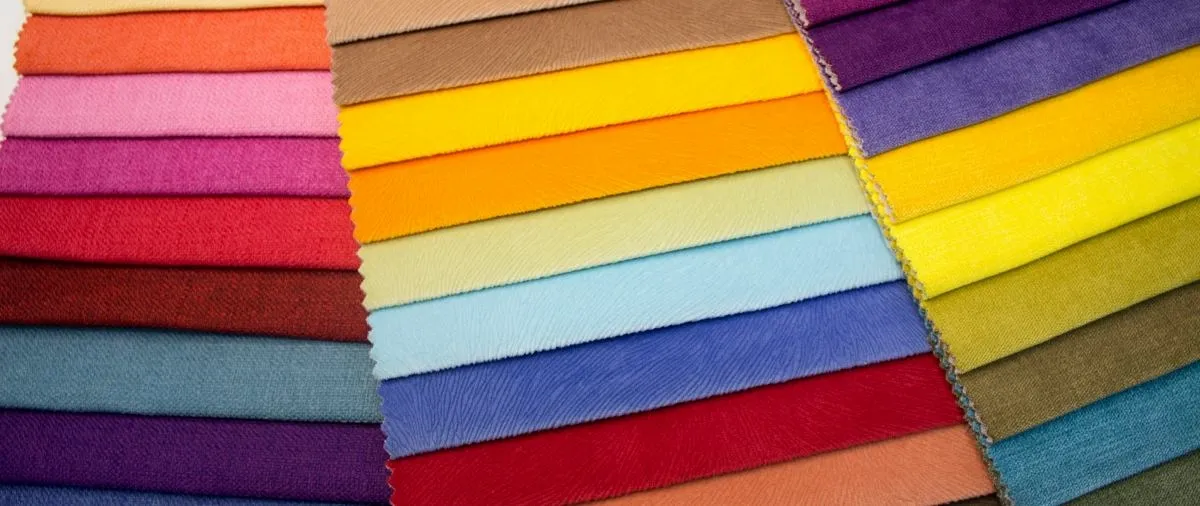
How Do You Create Even And Professional-Looking Tablecloth Swags?
Even swags come down to symmetry and balance, not force. Once the folds are pinned, judge the whole table front as one line and fix the odd swag rather than redoing all of them.
Two habits keep it balanced: check that each swag's deepest point sits at the same height, and that the gaps between them stay equal to about a hand-span. A study from 2023 on fabric drapability found a fabric's bending rigidity largely controls how it folds, which is why the same technique looks crisp in polyester and soft in satin - so match your spacing to the fabric, tighter for stiff, looser for flowing.
Draping A Wedding Table And Want Folds That Behave?
Our custom table runners and overlays come in satin, chiffon, and sheer fabrics that pleat into clean, even swags. Order any size and color, print your own design, and reuse them across every table at the reception.
How Do You Attach A Swag To A Table?
You attach a swag by fastening the gathered folds to the table edge or the base skirt, firmly enough that the fabric cannot sag or slip mid-event. A swag that droops halfway through dinner is almost always under-pinned at the top.
Match the fastener to the table and the venue. On tables you own, clips and pins are fine.
On rental linens, pin only into your own overlay or skirt, because a hole in a rented cloth can cost your deposit. We've learned that the hard way on an early job, so now we bring a base skirt to pin into every time.
Work with us to skip the guesswork on the base layer: order custom table skirts sized to your tables and pin the swag into the skirt instead of the rental top. We make them in any color at competitive prices, with bulk discounts for venues dressing many tables at once.
Which Fastening Method Works Best For Different Table Types?
The right fastener depends on the table edge and the surface. Thin folding-table edges take clips well, while finished wood needs gentler options that leave no mark.
| Table Type | Best Fastener | Why It Works | Watch Out For |
|---|---|---|---|
| Banquet / folding | Clips plus pins into a base skirt | Grips the thin edge and hides hardware | Do not pin the rental top |
| Finished wood / dining | Fabric clips, drapery hooks, museum gel | Holds without marking the finish | Skip tape on sealed wood |
| Plastic folding | Spring clamps or clips | Bites the lip without slipping | Sharp clamps can crack cheap plastic |
Hide fasteners behind a fold or under the tabletop lip so none show from guest height. Then nudge the table gently and lift a fold to confirm nothing shifts before doors open.
Outfitting A Whole Reception Or Banquet Room?
Order custom bulk tablecloths for weddings at competitive prices with generous bulk discounts, so every swagged table matches from the head table to the buffet. We print any color and design and turn large orders around fast.
Learn moreHow Can You Style A Swagged Tablecloth For Different Events?
Style the swag to the table's job, not just the theme. A sweetheart table can carry a dramatic full-length swag, while a buffet that staff reach across needs a shorter, tidier drape that stays clear of the food.
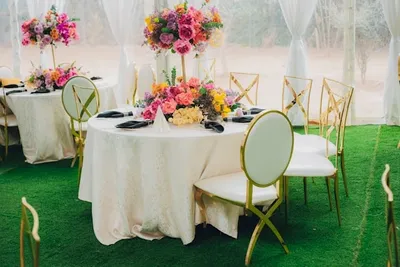
- Weddings and sweetheart tables: one deep center swag in satin, with flowers pinned at the gather points.
- Banquets and head tables: three matched swags for a repeating, formal rhythm.
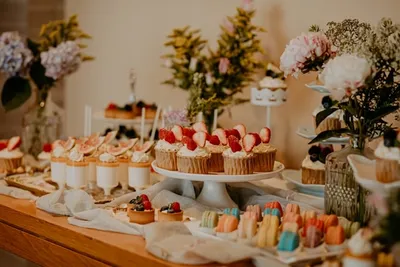
- Buffet and dessert tables: a shallow swag with a runner on top so serving stays easy.
- Cake tables: a single soft swag, kept simple so the cake leads the eye.
Table setting is not only cosmetic. A study from 2014 on table setting and diners found the setting shapes how much people enjoy a meal, so folds earn their keep. Coordinate the swag with your centerpieces and custom table runners rather than letting them compete.
How Do Decorative Accessories Enhance A Swagged Table?
Accessories should frame the swag, not bury it. The folds are the feature, and the pin points are natural spots for a small accent.
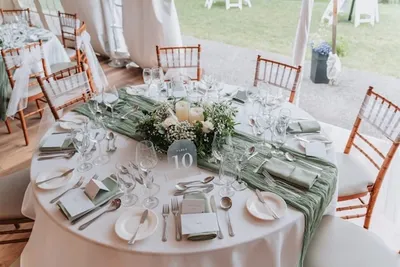
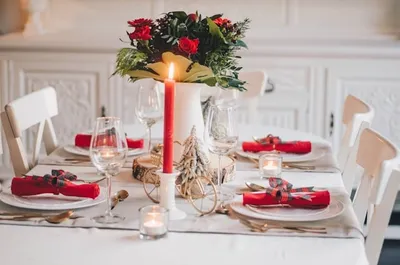
Add florals or greenery at each gather, fairy lights tucked behind sheer layers, and chair sashes that echo the swag fabric. For dining tables, a low centerpiece and a few napkins in the accent color finish the look without crowding it.
Leave some empty tabletop between pieces - it sounds odd, but open space makes a styled table read as intentional rather than busy. One honest limit: piling too many textures around a swag flattens it in photos, so stop while the folds still stand out.
Which Fabrics Work Best For Swagging A Tablecloth?
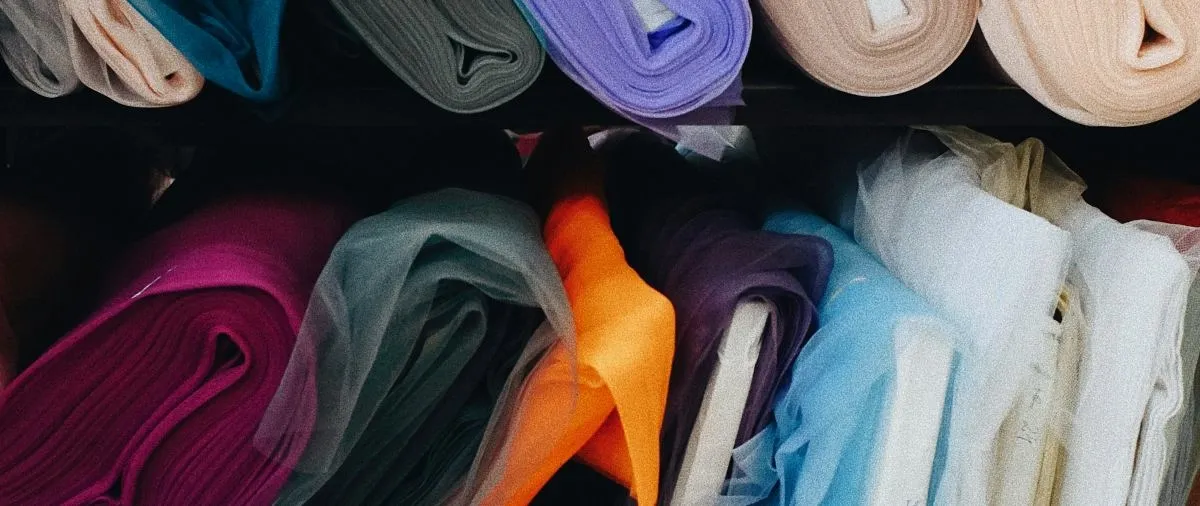
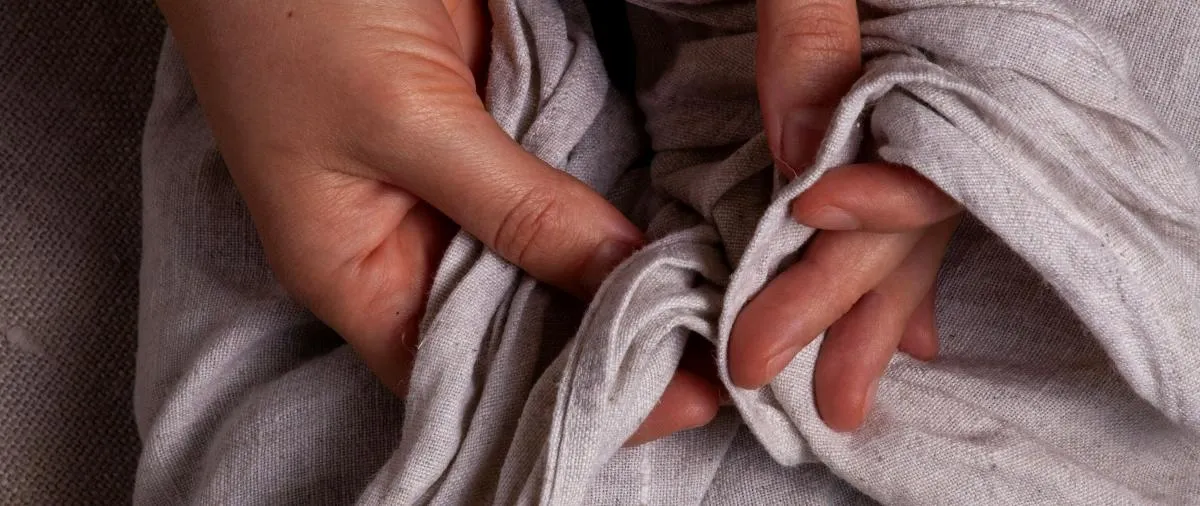
The best swag fabrics fold softly and hold their shape without looking stiff. Satin, chiffon, organza, voile, and lightweight polyester all swag well, while heavy upholstery fabric and thick cotton fight you the whole way.
Fabric weight decides the fold. Research from 2025, and even as far back as 1996 on fabric drapeability shows heavier, stiffer material forms fewer, firmer folds, while lighter fabric forms more, softer ones - so a light overlay gives the wispy wedding look and a mid-weight polyester gives crisp, repeatable pleats.
| Fabric | How It Swags | Best For | Trade-off |
|---|---|---|---|
| Satin | Fluid, shiny folds | Weddings, sweetheart tables | Shows pins and creases |
| Chiffon / organza | Airy, translucent folds | Overlays, layered looks | Slips, needs more pins |
| Polyester | Structured, holds shape | Banquets, reuse | Less fluid than satin |
| Voile | Soft, semi-sheer | Garden and spring events | Wrinkles easily |
| Sheer tulle | Very light accent | Top layers only | No weight, floats |
If you are unsure, read our best fabric for tablecloths breakdown before buying yardage, so the drape matches the event.
How Do Different Table Linen Fabrics Change The Final Look?
Soft fabrics read romantic, structured fabrics read formal, and flowing sheers read airy. The same swag technique gives three different results depending on which you choose.
Satin and charmeuse catch light and suit evening weddings, but every pin dents them. Organza and voile layer beautifully over a base color yet slip, so they need extra pins. Polyester is the workhorse: it presses flat, holds a fold, and shrugs off a wash, which is why we reach for it on jobs that reuse linens across a season.
For beginners, start with mid-weight polyester because it forgives uneven handles. Save satin for after you have the spacing down, and buy a yard more than you think you need so the folds stay full.
Want A Base Layer You Can Pin Into Safely?
Our custom table skirts give you a sturdy foundation to fasten swags into without ever touching a rental top. Sized to your tables, easy to reuse, and available in any color with bulk savings for busy venues.
How Can You Make A Swagged Tablecloth Look More Professional?
Professional swags come down to proportion and preparation. Balanced folds on a smooth base look styled, while uneven folds on a creased base look accidental, no matter how nice the fabric.
Match the swag depth to the table: a rough rule is a deepest drop of one-quarter to one-third of the table height, so folds read clearly without dragging the floor. Press or steam the fabric first - a study from 2022 on crease recovery found controlled heat helps fabric spring back and lie flat, which is exactly what you want before pleating.
Keep the fold direction consistent, all facing the same way, and the spacing even. Then judge the swag from guest eye level, not from above, because that is the only view that matters once the event starts.
What Common Tablecloth Swagging Mistakes Should You Avoid?
The mistakes below undo good fabric, and we see them at setup constantly:
- Uneven handfuls. Different fold sizes read as sloppy from across the room.
- Skipping the press. Creases in the base telegraph through every fold above.
- Wrong fabric amount. Too little gives thin, stingy folds, while too many bunches.
- Pinning the rental top. It risks the linen and pulls the drape crooked.
Most of these are fixable before doors open: re-pinch any uneven swag and steam creases in place. The quiz below points you to the right starting setup for your table.
Need Your Logo Or Monogram On The Drape?
We print custom printed tablecloths and overlays with any design using dye sublimation, so your swag can carry a crest, monogram, or brand color across the table. There is no minimum order, and every proof is free.
Get startedHow Do You Care For And Reuse Swagged Table Linens?
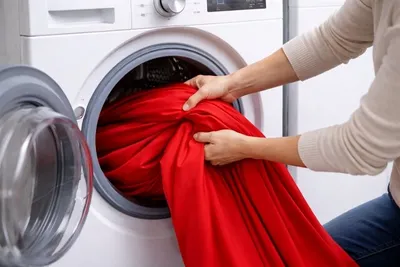
Care depends on the fabric, but the goal is the same: store folds loosely and remove creases before the next event. Polyester and spandex are machine-washable, though we recommend a gentle hand wash to protect the finish, and satin or sheer overlays do best with cool, careful washing or spot cleaning.
Between events, roll linens instead of folding them into hard creases, and hang overlays where they can breathe. Synthetic overlays hold static and cling in dry air - research on polyester's electrical properties notes the fibers absorb little moisture, so a light anti-static spray or a slightly humid room helps them hang instead of stick.
Skip the upkeep entirely by working with us for custom rectangle tablecloths and overlays you can wash, roll, and reuse across a whole season at competitive bulk prices.
How Can You Keep Tablecloth Swags Looking Their Best?
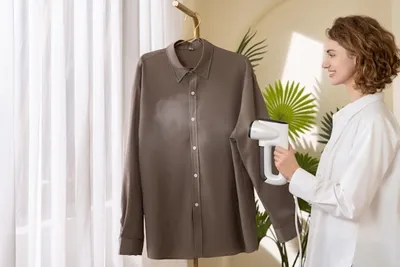
Keep swags sharp by steaming, not crushing. A handheld steamer on a low setting relaxes folds without the scorching risk of a hot iron on synthetics.
Fold delicate fabrics over a padded hanger or tube, keep satin away from rough shelving that snags, and test any new cleaner on a hidden corner first. One caveat worth stating: even careful storage will not fully erase a deep crease pressed in for months, so re-steam overlays the day before an event rather than pulling them straight from the box.
Why Is DIY Tablecloth Swagging Worth Learning?
DIY swagging is worth learning because it saves rental and stylist fees and gives you full control over the look. A stylist may charge per table for draping you can do yourself in a few minutes once the technique clicks.
It also lets you customize for the occasion - a wedding one weekend, a corporate booth the next - without booking a decorator each time. The savings add up fastest for planners and venues that dress the same tables all season, which is where the practice really pays off.
Rehearse on a spare table before the big day, and work with us for the base linens so your DIY swag sits on a professional foundation. We supply custom fitted table covers in any size and color, with bulk pricing for events.
How Can You Improve Your Table Swagging Skills Over Time?
You improve by practicing on different table sizes and timing yourself. The first swag takes ten minutes, and by the tenth table you will be under two.
Experiment with fabrics and fold counts on a home table before an event, so you learn how satin, organza, and polyester each behave under the same handfuls. Photograph each attempt from guest height and compare, because the camera catches uneven spacing your eye forgives. Over time you will read a table and know the fold count before you start, which is what turns slow guessing into fast, clean installs.
Frequently Asked Questions About How To Swag A Tablecloth
How To Easily Swag A Tablecloth?
Lay a base cloth, center an overlay on top, then pinch the front edge seven inches up and gather even folds toward the tabletop. Pin the pleats to the edge, fluff them open, and check the spacing from a few feet back.
How Do You Swag A Tablecloth Step By Step?
Cover the table, center the swag fabric, then pinch and pleat from the middle outward and secure each fold with pins or clips before adjusting. Work in one direction and keep handfuls equal for a clean, professional drape.