

What To Do With Old Linen Tablecloths? Creative Upcycling And Repurposing Ideas
An old linen tablecloth is a lot of good fabric with a story attached. The choice is whether to cut it, display it or sell it, and the answer depends on the condition, size and how much it means. That’s what this guide is all about; the triage that helps you decide, over twelve repurposing projects grouped by difficulty, museum-sourced display and storage limits, and where selling makes more sense.

Key Takeaways
- Old linen tablecloths can become napkins, tea towels, pillow covers, aprons, tote and produce bags, furoshiki gift wrap, cafe curtains, framed embroidery panels and quilt blocks; choose by condition first, then by how much sewing you want to do.
- Hold the cloth to a window before cutting. Scattered pinholes of light may be an indication of localized weakness or damage, so only small projects are safe.
- Museum guidance limits light-sensitive textiles to 50 lux and treats light damage as cumulative, so display heirloom pieces away from windows and rotate them out for months.
- We supply high-quality custom printed table covers and runners that reproduce any scan of a vintage motif, so an heirloom can stay in the cabinet while a daily cover carries the pattern.
Table of contents
-
What To Do With Old Linen Tablecloths?
-
How Can You Turn Old Linen Tablecloths Into Home Decor And Clothing?
-
What Practical Kitchen And Bath Items Can You Make From Old Linen Tablecloths?
-
What Reusable Bags Can You Sew From Old Linen Tablecloths?
-
How Can You Use Old Tablecloths For Reusable Gifts And Fabric Wrapping?
-
How Can You Decorate Your Home With Vintage Linen Tablecloths?
-
How Can You Display Vintage Linen Tablecloths Without Cutting Or Altering Them?
-
Should You Sell A Vintage Tablecloth Instead Of Repurposing It?
What To Do With Old Linen Tablecloths?
Repurpose. Whether you cut it, display it, or sell it, old linen tablecloths can become napkins, tea towels, unpaper towels, pillow covers, aprons, café curtains, valances, tote bags, produce bags, bread bags, drawstring gift bags, furoshiki wraps, framed embroidery panels, basket liners and memory quilt blocks. Choose by condition first, sewing skill second, sentiment third.
Repurposing also keeps usable textile material in circulation for longer. A study on upcycled fashion design and production describes upcycling as using discarded materials to create higher-value products and keep them in productive use for longer. That same principle applies to an old linen tablecloth.
Before cutting, check whether the tablecloth has collectible value or is strong enough for its intended new use.
| What you find | Best next step | Avoid |
|---|---|---|
| Maker’s mark, hand embroidery, handmade lace or documented history | Photograph and research it before altering | Cutting before checking its value |
| Sound fabric with isolated stains | Cut around the damaged areas | Hiding damage inside seams |
| Pinholes or weakness limited to folds and corners | Use the strongest areas for small, low-stress projects | Totes, upholstery or clothing |
| Widespread thinning, splitting or brittle fibres | Preserve a motif, display it or use it as a pattern reference | Washing, knotting or load-bearing projects |
| Active mold, dampness or heavy mustiness | Isolate it and seek textile-conservation advice | Sewing or storing it with other textiles |
| No usable sections or historical value | Check whether a local textile recycler accepts household linen | Donating unusable fabric |
Next you have to examine the tablecloth before cutting.
- Lay the clean, dry cloth flat
- Examine its hems, fold lines, stains and embroidered areas under strong indirect light.
- Hold several sections, not only the center, toward a window to find thinning or pinholes.
- Gently flex a hidden edge; stop if the fibres crack, split or shed.
- Mark damaged areas with removable thread or paper markers.
- Measure the largest uninterrupted section of sound fabric.
- Widespread weakness means the cloth is better preserved, than converted into something that will carry weight or require frequent washing.
Then you can move to deciding on how to repurpose the tablecloth. Here’s are a few project ideas:
| Project | Difficulty | Sewing | Suitable condition | Use | Fabric needed |
|---|---|---|---|---|---|
| Napkins | Beginner | Simple hems | Sound; isolated stains avoided | Dining | 18 × 18 in each |
| Tea towels | Beginner | Simple hems | Sound | Kitchen | 18 × 27 in each |
| Unpaper towels | Intermediate | Two layers | Sound | Cleaning | 12 × 12 in each |
| Pillow covers | Intermediate | Envelope back | Sound; decorative motifs | Home décor | 20 × 20 in per pillow |
| Apron | Intermediate | Straps and pockets | Sound | Kitchen | About 30 × 36 in |
| Café curtain | Beginner | Rod pocket | Sound; minor stains avoidable | Window | About 36 × 45 in per panel |
| Tote bag | Intermediate | Reinforced handles | Strong, heavy fabric | Shopping | About 20 × 40 in |
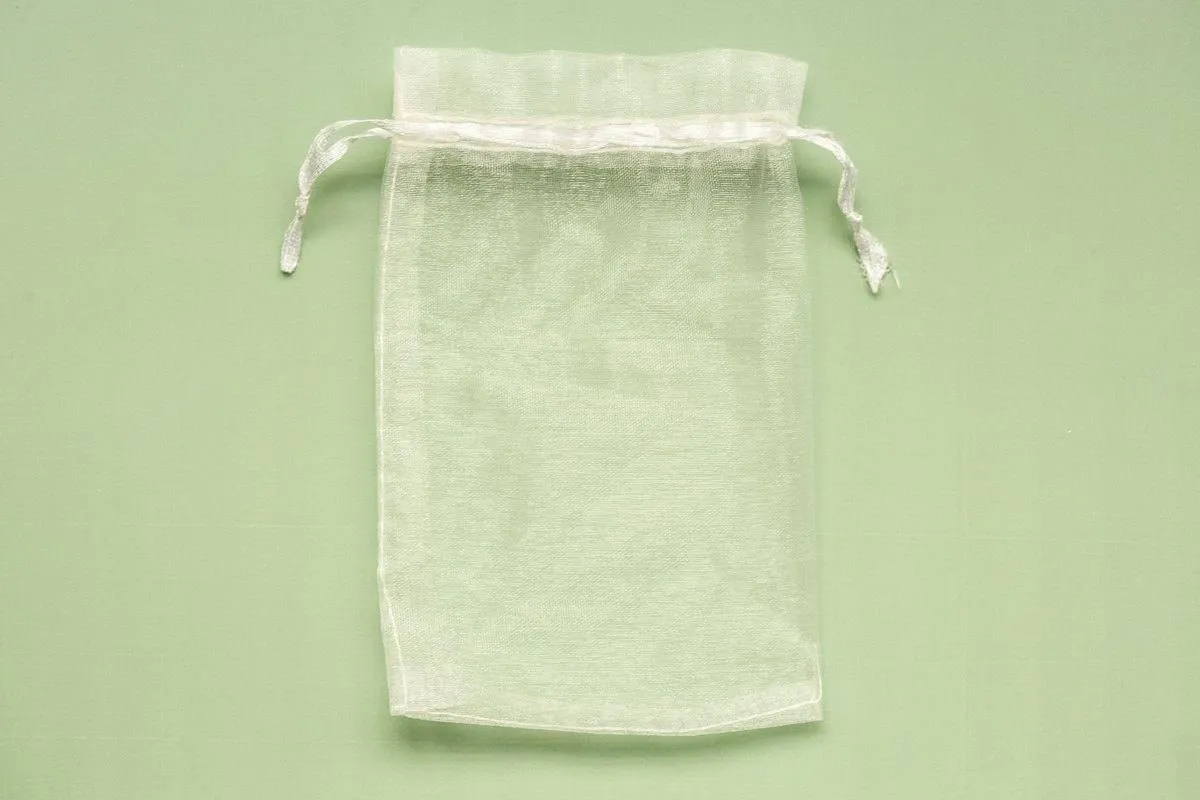
| Produce bag | Beginner | Drawstring | Sound lightweight fabric; strong seams and base | Light groceries | About 12 × 16 in |
| Bread bag | Intermediate | Drawstring | Sound, washable fabric | Bread storage | About 14 × 20 in |
| Gift bag | Beginner | Drawstring casing | Sound; minor damage avoidable | Reusable wrapping | About 12 × 16 in |
| Furoshiki wrap | No-sew | None | Sound enough to fold and knot | Reusable wrapping | Sized to the object |
| Framed embroidery | No-sew | Optional lacing | Fragile or embroidered | Wall art | Embroidered section |
| Basket liner | Beginner | Simple hem | Minor damage acceptable if non-load-bearing | Decorative storage | Basket size + hem allowance |
| Memory quilt block | Intermediate | Piecing or appliqué | Sound, or stabilized on backing | Decorative quilt | About 6 × 6 in per block |
The measurements are only starting estimates. Make sure to add the required seam or hem allowance before cutting. Use only structurally sound fabric for projects that carry weight, contact food or require frequent washing.
How Can You Turn Old Linen Tablecloths Into Home Decor And Clothing?
Home decor projects use larger, more decorative sections of the cloth. Clothing uses the drape. Pillow covers, cushions, aprons, curtains, clothing and bedding all work if the fabric is sound; incorporate existing embroidery, lace or decorative borders as design features rather than trying to hide them. Match the project to the fabric's condition and drape: heavy damask suits pillows and curtains, lightweight linen suits garments and napkins. A cloth with weakened corners and a strong center becomes a pillow cover; a cloth with a strong border and a stained center becomes framed panels. We've seen more than one embroidered cloth cut into napkins before anyone held it up to a window; the pinholes were already there, so the napkins tore inside a season.
Can Old Linen Tablecloths Become Pillows, Aprons, Clothing Or Memory Quilts?
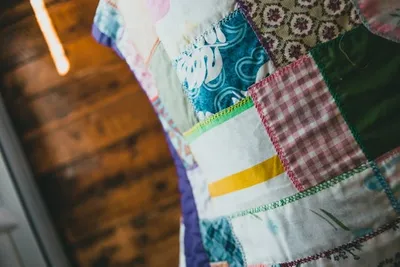
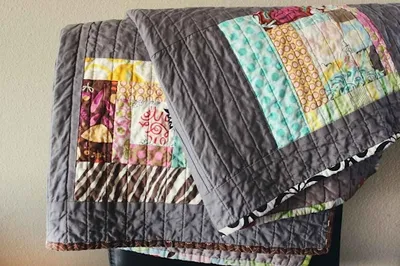
Yes, and each project uses a different part of the cloth. Pillow covers use the strongest section, often the corner medallion or a central motif. Aprons need a rectangle 30 × 36 in plus strap fabric. Clothing (skirts, tops) needs drape and enough intact yardage. Memory quilts assemble small squares from meaningful sections, backed with a stronger fabric. On the vintage motifs we've been sent to reprint for daily covers, the customer often keeps the original for a quilt or a pillow set for a family member. For a piece that is the only surviving one from a person, do not cut it: sew a linen sleeve onto cotton backing, hang it away from a window, and treat any daily-use plans as separate work with new fabric.
Want To Print The Motif On A Washable Cover?
Our custom printed linen tablecloths reproduce any scan of a vintage motif so the original stays intact while a daily-use cover carries the pattern.
What Practical Kitchen And Bath Items Can You Make From Old Linen Tablecloths?
Linen is absorbent, gets softer with washing, and holds up to heat, so it works well for towels, napkins and washable kitchen cloths. Focus on practical reuse over decoration for these projects: the goal is a functional item you use daily, not a display. Cut around stains and weakened areas; a single 60 × 84 cloth yields more usable fabric than one large project. According to a 2019 study in Sustainability on flax fibre properties, linen's tenacity rises with moisture up to about 25% then falls, which is why linen towels feel strong wet but should not be wrung hard. Our guide to washing linen tablecloths covers the settings and detergents that keep linen's hand rather than stripping it.
How Can You Turn Old Linen Tablecloths Into Napkins, Tea Towels And Reusable Kitchen Cloths?
Cut squares (napkins), rectangles (tea towels) or small squares (unpaper towels), and finish with a simple rolled or double-fold hem. Standard sizes: dinner napkins 18 × 18 in, tea towels 18 × 27 in, unpaper towels 12 × 12 in. A 60 × 84 in tablecloth yields about twelve 18 in napkins with 1 in hems. Keep embroidery or lace where it lands on the finished piece for a decorative corner; if it lands mid-fabric, cut around it and save that section for another project. Wash the cloth once before cutting so shrinkage happens before the hem, not after. Our guide to washing linen tablecloths covers laundering before the first cut. Rolled hems on a serger take minutes per napkin; a plain double-fold hem on a home machine takes a little longer but needs no special foot.
Looking For A Durable Everyday Table Cover?
Our custom table linens replace fragile heirlooms for daily meals and events, sized to your table and machine-washable in polyester.
Learn moreWhat Reusable Bags Can You Sew From Old Linen Tablecloths?
Linen replaces disposable bags for shopping, produce, gifting and household storage. Lined bags are stronger than unlined; heavier tablecloths make tote-strength bags, lighter cloths suit produce and drawstring bags. Reinforce handles, corners, closures and any area that carries weight, or the bag fails at the first heavy load. Match fabric weight to intended use: a lightweight cloth becomes produce bags, a mid-weight becomes bread and gift bags, a heavier damask becomes shopping totes. A cloth with a strong border but a weakened, worn or thin middle still makes good drawstring bags cut carefully from the border strip.
Extending the life of existing textiles also fits the circular-economy approach to textile waste. Research on the circular economy of post-consumer textile waste highlights the importance of extending textile life, increasing reuse and keeping textile fibres in circulation to reduce the need for virgin textile fibres.
How Can You Make Tote, Produce, Bread And Storage Bags From Old Linen Tablecloths?
Different bag shapes suit different uses. A basic tote is two rectangles seamed on three sides with reinforced fabric handles. A produce bag is a rectangle folded with a drawstring casing at the top. A bread bag is a longer drawstring with a boxed corner. A storage bag has a flat bottom and a stiffer lining. Add washable linings on any bag that touches food. Boxed corners give a bag a flat base; drawstrings work for bulk goods; handles work for shopping. We've found the failure point on most homemade totes is the handle join, so double-stitch the top hem where the handle meets the bag, or box the corner and box-stitch the handle base for a stronger grip.
How Can You Use Old Tablecloths For Reusable Gifts And Fabric Wrapping?
Reusable fabric wrapping replaces single-use paper. Decorative fabric, lace borders and embroidered sections make even simple wrapping feel personal, and the wrap becomes part of the gift. Match the wrapping method to the size, thickness and condition of the linen: heavy damask suits large parcels, lightweight linen suits small gifts. The United States generated 17 million tons of textiles in 2018, recycled about 14.7% and landfilled 11.3 million tons, according to the US EPA; every repurposed cloth is one less item in that landfill number. A useful rule for wrapping: the cloth should be about three times the box's longest side, so a 12 in package needs a 36 in square of fabric to fold and tie cleanly with the ends meeting at the top.
Can Old Linen Tablecloths Be Turned Into Gift Bags Or Furoshiki Wrapping?
Yes, and both are simple. Drawstring gift bags use a rectangle folded in half with a casing sewn at the top. Handled gift bags add short cloth handles. Furoshiki is a Japanese wrapping tradition that uses a square cloth folded and tied around the object; the Japan Ministry of the Environment published a furoshiki how-to in 2006 to promote reusable wrapping. A 60 × 84 in tablecloth yields roughly four 28 in furoshiki squares plus scraps. Add a decorative fabric tag or bow from a strip of lace to finish. No-sew methods work when you don't have machine time. Learn a single tie (the diagonal knot) and it covers most parcel shapes: a bottle, a book, a small box, a bouquet stem. The wrap comes back for the next occasion, which is the whole point.
Preparing For A Bulk Order Of Table Covers?
Our custom printed tablecloths carry any pattern across a full venue, with a free digital proof and no minimum for both single and repeat orders.
How Can You Decorate Your Home With Vintage Linen Tablecloths?
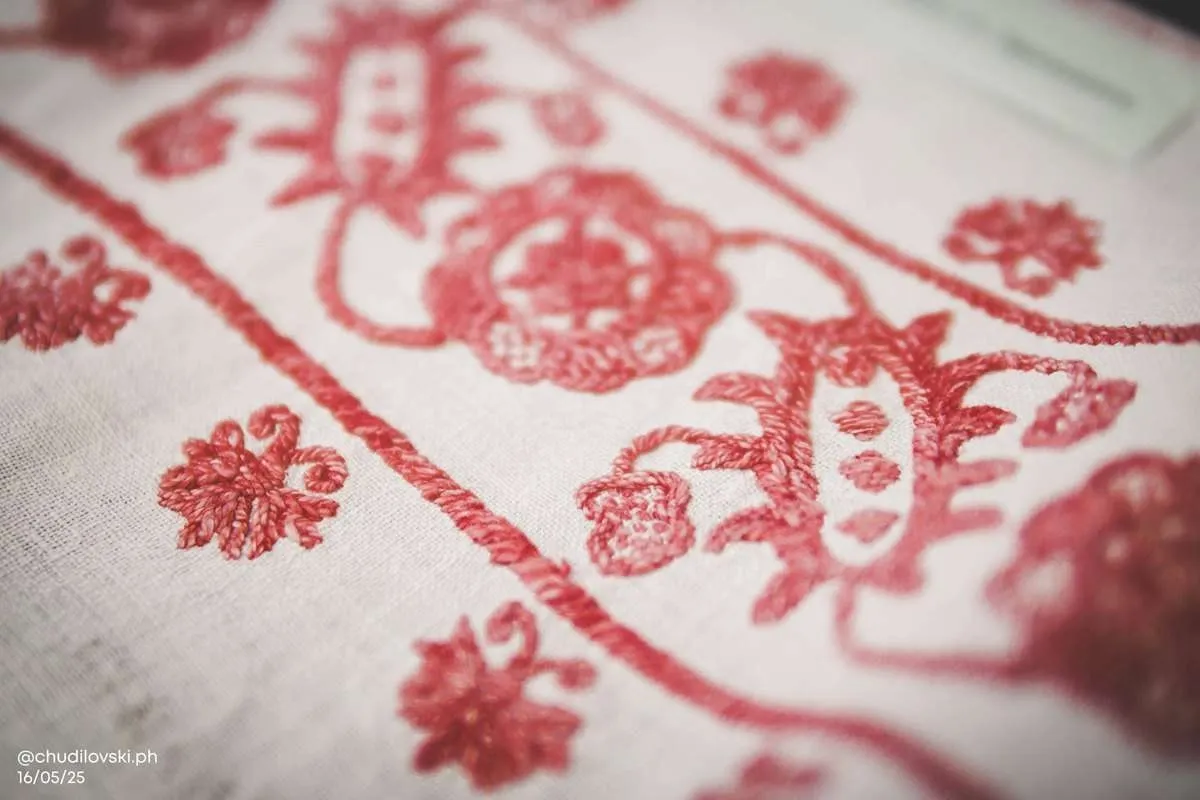
Vintage table linens add texture, history and handcrafted detail to modern interiors. Use selected decorative sections rather than an entire stained cloth. A single embroidered medallion becomes framed art. A lace border becomes a valance. Combine both temporary displays (draped over a shelf, laid on a hall table) and permanent projects (framed panels, upholstered chair seats). The cloth's color deepens with age; a cream damask on a modern white wall reads as intentional patina. Pair the vintage cloth with modern pieces so neither overwhelms the other; a room fully furnished in vintage textiles ends up reading as costume rather than composition.
Can Old Linen Tablecloths Become Wall Art, Curtains, Furniture Covers Or Decorative Liners?
Yes. Framed embroidery panels turn the best-worked section into wall art. Full cloths become café curtains, valances, or seat covers for dining chairs. Smaller sections line baskets, drawers and shelves for a soft, decorative finish. Cabinet liners and upholstered seats both need a plain cotton or muslin backing for structure. For a chair seat that will get sat on, professional upholstery support (batting, staples, a proper frame) matters more than the linen itself. Our guide to decorating with table runners covers overlap ideas for using pieces of the cloth.
Need A Wrinkle-Resistant Polyester Base Cover?
Our custom polyester tablecloths are machine washable, wrinkle-resistant and easy to iron on low; they hold up through decades of use.
Get startedHow Can You Display Vintage Linen Tablecloths Without Cutting Or Altering Them?
Fragile or sentimental linens are often better displayed intact. Preservation-friendly options include frames (glass front, acid-free mat), display cabinets, baskets on open shelves, blanket ladders and decorative folded stacks. Protect from sunlight, dust and moisture: the Canadian Conservation Institute recommends limiting light-sensitive textiles to 50 lux and treats light damage as cumulative. Guidance from the University of Nebraska-Lincoln Extension G1820 on storing family heirlooms suggests refreshing acid-free tissue about every five years and refolding to redistribute strain. The Library of Congress preservation notes describe light damage as reciprocal: total exposure adds up, so short bright displays and long dim ones can do equal harm over years. On the vintage motifs we've been sent to reprint, the scan that works is shot flat in daylight, not on the table. Our guide to storing tablecloths covers the folding and rolling choices that keep any cover flatter for longer.
How Can You Style Vintage Linen Tablecloths For Seasonal And Outdoor Decorating?
Rotate vintage pieces into seasonal settings. A cream damask for autumn dinners, a bright embroidered piece for spring picnics, a lightweight lace for outdoor summer tea. Combine vintage pieces with modern décor so the contrast highlights the handwork. Protect lightweight or fragile linens outdoors: use them on a covered porch rather than open sun, and remove them before evening dew. Never leave a damp linen folded overnight; mold develops in days at high humidity. For the outdoor tables we cover for events, a modern polyester cover carries the day and the vintage cloth sits as a folded accent, not the working surface. That split, use-and-preserve, is how the piece lasts.
Now, here is a quick pick to match the project to your cloth.
Work with us on custom printed linen tablecloths that carry the scan of your vintage motif on a washable, everyday cover. The heirloom stays whole; the pattern comes to dinner.
Should You Sell A Vintage Tablecloth Instead Of Repurposing It?
Sometimes. Selling may be preferable to cutting when the cloth has real market value: rare age, fine fibre, maker's marks, size, embroidery, lace or notable workmanship. Check potential value before permanently modifying a vintage or inherited piece. Accurate descriptions and clear photographs (shot flat in daylight, showing any damage) help establish resale value. Once the cloth is cut, its market value drops sharply, so the sell-versus-cut decision has to come first, not after. The Smithsonian Institution's textile care guidance advises storing heirloom textiles flat, wrapped in clean white cotton, and avoiding pins, wood, newsprint or colored tissue that can transfer acids or dyes.
Where Is The Best Place To Sell Vintage Linen Tablecloths?
Online marketplaces, specialist textile platforms, antique dealers, consignment stores and local markets each suit different pieces. Online marketplaces reach the widest audience but need clear photos and honest condition descriptions. Specialist textile platforms attract collectors willing to pay for rare pieces. Antique dealers and consignment stores handle the sale but take a commission. Local markets and estate sales work for bulk lots. Research recent sold listings for comparable pieces before pricing yours; asking prices and sold prices are different things. Whatever route you pick, describe damage in specifics (pinholes, small tear at hem, faint stain along fold) rather than as one general note; buyers judging by photos alone need the words.
Frequently Asked Questions About What To Do With Old Linen Tablecloths
What Can You Do With Old Linen Tablecloths?
Turn them into napkins, tea towels, pillow covers, aprons, tote and produce bags, furoshiki wraps, café curtains, framed embroidery, quilt blocks or reusable gift bags. Choose by condition first: hold the cloth to a window and cut only what the fibre can carry.
How Can You Repurpose Old Linen Tablecloths For Home Decor And Clothing?
Pillows, aprons, curtains and quilt blocks use the strongest sections of the cloth. Incorporate existing embroidery, lace or decorative borders as design features. Sentimental pieces are often better displayed intact behind glass than cut into daily-use items.