

Fall Table Runner Patterns: Beautiful Quilted Designs, Sewing Ideas & Seasonal Inspiration
Fall table runner patterns are the fastest way to warm up a table for autumn, but they range from a beginner ten-minute strip to a full-pieced quilt. Picking the wrong one for your skill level is where projects stall in a closet. In this guide, we cover fall table runner patterns for every level, from quilted pumpkins and maple leaves to the no-sew options we print ourselves.
Key Takeaways
- Match the pattern to your skill. A ten-minute strip runner suits beginners, while pieced, appliqué, and paper-pieced designs reward more practice and patience.
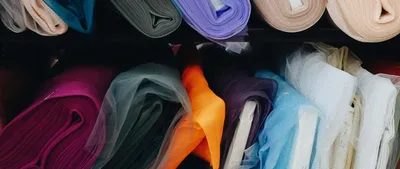
- Cotton is the friendly fabric. Quilting cotton presses crisp, holds a seam, and forgives beginners, which is why most fall runner patterns call for it.
- Autumn colors do the heavy lifting. Warm rust, gold, and burgundy read as fall instantly, so even a simple runner in the right palette looks seasonal.
- We supply high-quality custom table runners and tablecloths you can print or embroider in any fall design and size, at a great price with bulk discounts for hosts and venues.
Table of contents
-
Fall Table Runner Patterns
-
How Can You Sew Easy Fall Table Runner Patterns?
-
Where Can You Find Autumn Table Runner Pattern Collections And Books?
-
How Do You Style Quilted Fall Table Runners For Autumn Décor?
-
Which Thanksgiving Fall Table Runner Patterns Are Worth Sewing?
-
Which Pumpkin-Themed Fall Table Runner Patterns Should You Choose?
-
Which Autumn Leaves And Halloween Table Runner Patterns Stand Out?
-
Which Harvest And Seasonal Quilted Table Runner Patterns Offer Year-Round Inspiration?
Fall Table Runner Patterns
Fall table runner patterns are sewing and quilting designs for the long, narrow cloth that runs down the center of a table, made in autumn motifs like pumpkins, maple leaves, acorns, and harvest scenes. They come in quilted, patchwork, appliqué, pieced, foundation paper pieced, and reversible styles.
The differences are mostly in construction. Patchwork and pieced runners sew small shapes into a top, appliqué stitches shapes onto a background, foundation paper piecing builds sharp points on a printed paper guide, and reversible runners give you two looks in one. This guide covers sewing tutorials, decorating, Thanksgiving and Halloween projects, pumpkin and leaf designs, and where to shop or skip the sewing.
| Runner Type | Skill Level | Typical Time | Best Use | Main Challenge |
|---|---|---|---|---|
| Simple strip | Beginner | 2–4 hours | Quick seasonal décor | Keeping edges straight and square |
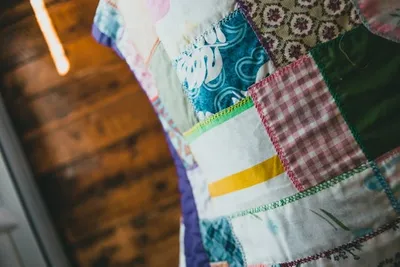
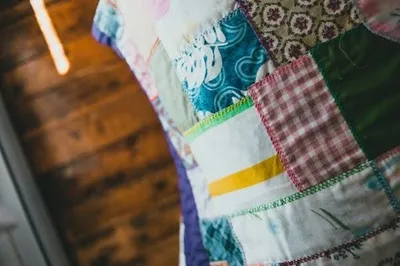
| Patchwork or pieced | Beginner to intermediate | 4–8 hours | Scraps, charm packs, or jelly rolls | Matching seams and points |
| Appliqué | Intermediate | 6–10 hours | Pumpkins, leaves, and curved motifs | Securing clean, durable edges |
| Foundation paper pieced | Intermediate to advanced | 8+ hours | Sharp geometric leaves and detailed motifs | Maintaining accuracy and removing paper |
| Reversible | Beginner to intermediate | 6–10 hours | Two seasonal designs in one runner | Aligning both sides and controlling bulk |
If sewing is not your thing, you can skip every stitch and have the same looks printed on a finished runner, which we cover further down.
Which Fall Table Runner Pattern Is Right For Your Quilting Style?
The right pattern matches your skill level and your patience for finishing. Beginners do best with strip or simple patchwork runners, while confident quilters can take on appliqué pumpkins or paper-pieced leaves.
Precut fabric bundles save cutting time and remove guesswork. Charm packs (five-inch squares), jelly rolls (two-and-a-half-inch strips), and layer cakes (ten-inch squares) all suit runners, and a scrap-friendly design is the lowest-cost way to start. A study from 2024 on needlecraft and wellbeing reviewed 25 studies and found sewing and quilting support mental wellbeing, so an easy first project pays back in more than decor.
Choose the pattern to fit your home, too - a modern pieced runner suits a minimalist table, while scrappy patchwork fits a farmhouse look.
How Can You Sew Easy Fall Table Runner Patterns?
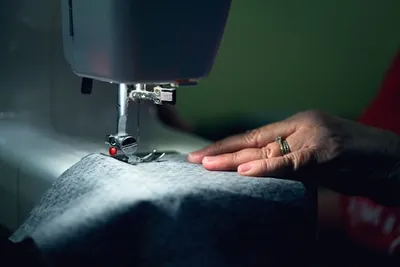
You sew an easy fall runner in six steps, and most finish around 14 by 72 inches for a standard dining table. A simple strip runner takes an afternoon, and a pieced one takes a weekend.
- Prep the fabric. Wash, dry, and press quilting cotton so it does not shrink later, and pick a low-loft cotton batting that presses flatter than puffy polyester.
- Cut to size. Cut the top to your pattern - a jelly roll gives 2.5-inch strips ready to sew - and cut the batting and backing about 3 inches larger all around.
- Piece the top. Sew the pieces with a steady quarter-inch seam allowance, pressing each seam flat before adding the next so the top lies true.
- Layer the sandwich. Smooth the backing face-down, center the batting, then lay the top face-up, and pin or spray-baste all three layers together.
- Quilt the layers. Stitch straight lines about 1 to 2 inches apart, or free-motion, working from the center out so the layers do not shift.
- Bind the edges. Trim the runner square, then fold and sew 2.5-inch binding strips around it, mitering the corners to finish.
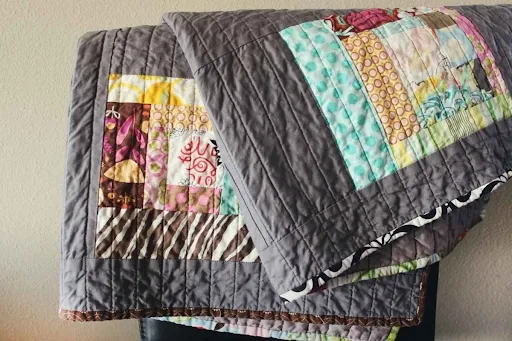
A study from 2022 on crease recovery found heat helps fabric lie flat, so pressing every seam is what makes a runner look finished instead of homemade. For a full walkthrough, see our how to sew a table runner guide.
Additionally, prewash yardage when shrinkage or dye transfer is a concern, but avoid washing small precuts that may fray or distort. Prepare all fabrics consistently and test dark reds, oranges, burgundies, and blacks with a damp white cloth. Press instead of sliding the iron, use the fabric manufacturer’s recommended heat setting, and avoid stretching bias edges. Follow the pattern when deciding whether seams should be pressed open or to one side.
Where Can You Find Helpful Fall Table Runner Tutorials?
The most useful tutorials for beginners show every step with photos or video and list exact fabric amounts before you cut. Look for ones that name the precut used and the finished size.
Start with free beginner tutorials before buying advanced patterns, and learn the basics - accurate cutting, quarter-inch seams, and pressing - on a simple runner first. Our 10-minute quilted table runner walkthrough is a good starting project, since it teaches the quilt sandwich without a complex top. Match the tutorial to the tools you own, because some assume a walking foot or rotary cutter, and buying those mid-project stalls the work.
Love The Fall Runner Look But Not The Sewing?
Skip the cutting and quilting and order custom table runners printed with any autumn design you like, cut to your table length in any color from pumpkin orange to deep burgundy.
Where Can You Find Autumn Table Runner Pattern Collections And Books?
You find autumn runner patterns in quilting books, downloadable PDF patterns, and curated seasonal collections from pattern designers. A collection saves planning time because someone has already grouped matching fall projects by skill level.
Printed books give you a reference and patterns you can sew from for years, while PDF patterns download instantly and print at home, which suits a last-minute Thanksgiving project. Beginners benefit from books with step photos and clear cutting charts, and experienced quilters can work from a diagram alone.
If you would rather not sew at all, work with us to create custom table runners printed with any fall design and cut to your exact table length. We've printed hundreds of seasonal runners, so we take the DIY effort out of it, and we offer bulk discounts for hosts dressing many tables.
What Questions Do Buyers Ask Before Purchasing Pattern Books?
Before buying, buyers ask about format, skill level, and what is included. Three questions are worth answering every time:
- Digital or printed? PDFs are instant and reusable; printed books feel better to work from and need no printer.
- What skill level? Check that the pattern states beginner, intermediate, or advanced, and read the technique list.
- What is included? Good patterns list finished size, fabric requirements, cutting instructions, and full assembly steps.
Also confirm the licensing, since most patterns are for personal use, not resale. When a listing is vague on any of these, treat it as a caution, because unclear instructions are exactly where beginners get stuck.
Want A Stitched, Heirloom-Style Fall Runner?
Our custom embroidered table runners add real stitched texture to maple leaves, monograms, and harvest motifs, so you get the handmade look without a whole season at the sewing machine.
Learn moreHow Do You Style Quilted Fall Table Runners For Autumn Décor?
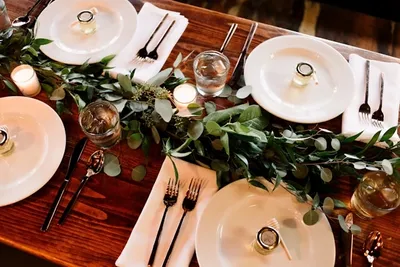
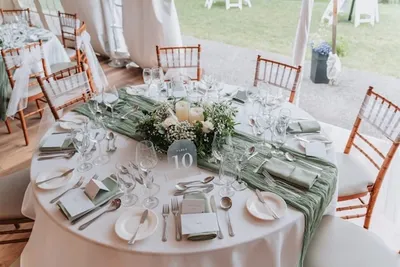
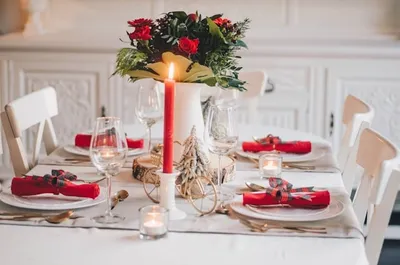
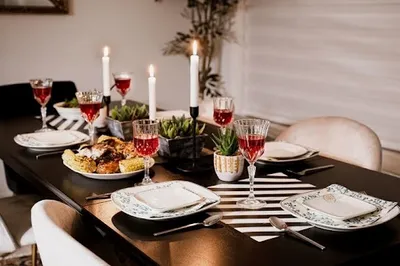
Style a fall runner as the spine of the table, then build the centerpiece along it. Run it down the center of a dining table or across a buffet, and layer low pumpkins, candles, and greenery on top.
The looks quilters make most right now are farmhouse plaids, rustic patchwork, cottagecore florals, and clean modern piecing - that is observed demand, not a forecast. Match the runner to your room: farmhouse and rustic suit wood tables and warm walls, while a minimalist runner in two colors calms a busy space. Our decorate with table runners guide has setting ideas for each style.
How Can You Choose The Right Colors And Layout For Your Table Runner?
Choose colors from the autumn palette - rust, gold, burgundy, deep orange, and warm brown - or soften them with cream and sage for a subtler table. Warm colors are what read as fall: a study from 2024 on color and emotion reviewing 128 years of research found red and orange rank highest for warmth and positive arousal, which is why they feel seasonal.
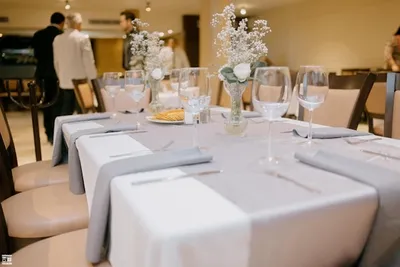
For layout, a runner should overhang each end by six to twelve inches or sit flush, and run about a third of the table width.
| Palette | Colors | Mood |
|---|---|---|
| Traditional harvest | Rust, gold, deep orange | Warm, classic |
| Elegant autumn | Burgundy, plum, bronze | Formal, rich |
| Neutral fall | Cream, sage, tan | Soft, modern |
Compare everyday and holiday use, since a washable cotton runner suits weeknight dinners while a richer palette earns its place at Thanksgiving.
Which Thanksgiving Fall Table Runner Patterns Are Worth Sewing?
The Thanksgiving runners worth the effort are the ones you will reuse every year: a pieced harvest design, a patchwork in autumn solids, or an appliqué pumpkin centerpiece runner. Reusability is the real test, since a runner sewn for one dinner is a lot of work for a single use.
Size it before you cut: a standard dining runner finishes around 14 by 72 inches, so measure your table and add your overhang first. Binding is the slow part, so leave an evening for it rather than rushing the corners and puckering the edge.
Beginners can make a simple patchwork in Thanksgiving colors, and confident sewists can add appliqué cornucopias or paper-pieced leaves. Coordinate the runner with harvest centerpieces - low gourds, candles, and a neutral tablecloth underneath so the runner stands out.
For a matching set without sewing several pieces, our custom printed tablecloths print in the same fall palette as your runner, so the whole table reads as one design.
Which Thanksgiving Table Runner Designs Remain Timeless?
Timeless Thanksgiving designs stay simple and harvest-toned rather than novelty-heavy. Traditional patchwork, farmhouse plaids, and elegant solid-color runners look good year after year, while cartoon turkeys date fast.
Choose a design you can reuse for a decade, in colors that match most of your dishes. Balance decoration with practicality: a runner that needs dry cleaning after every gravy spill will not survive many Thanksgivings, so pick a washable cotton you can toss in the machine.
Blot spills promptly and test stain removers on a hidden area. Follow the fabric and batting care labels, wash only when needed, and dry completely before storage. Store the runner flat or loosely rolled in a cool, dry, dark place; if folded, change the fold lines periodically. Domestic washing methods, detergents, machines, and drying procedures can affect textile results, as reflected in ISO 6330 textile-testing guidance.
Dressing A Whole Thanksgiving Or Harvest Table?
Pair your runner with custom printed tablecloths in matching fall colors and patterns, printed with dye sublimation so the whole table reads as one cohesive autumn set.
Which Pumpkin-Themed Fall Table Runner Patterns Should You Choose?
Pumpkin runners come in appliqué, patchwork, farmhouse plaid, and paper-pieced styles, and the right one depends on how much detail you want. Appliqué gives soft, rounded pumpkins, while paper piecing gives crisp, geometric ones.
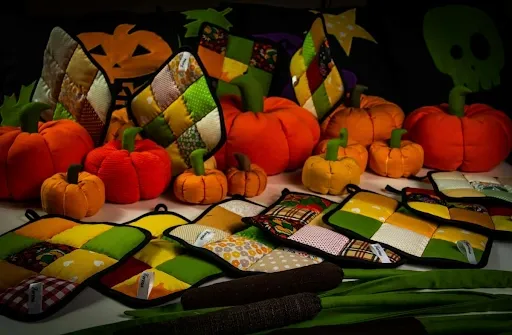
For Halloween through Thanksgiving, pumpkins carry the whole season, so a pumpkin runner earns its shelf space. Play with color: classic orange for a traditional look, white and sage pumpkins for a modern table, or plaid pumpkins for farmhouses. Cotton is the easy choice here - a study from 2021 on cotton fabric comfort found cotton absorbs and releases moisture well, which also means it presses crisp and holds the sharp pumpkin shapes.
Which Pumpkin Quilt Designs Suit Different Skill Levels?
Match the pumpkin design to your skill. Simple pumpkin blocks - a square body with a stem - suit beginners, detailed appliqué with curved edges suits intermediates, and foundation paper piecing with many points suits advanced quilters.
Finish matters as much as the top. Quilt around each pumpkin so it stands out, bind in a contrast color, and press hard so the shapes stay flat. If curved appliqué feels daunting, start with a fusible-web method that skips hand stitching, then graduate to needle-turn once you have the feel for it.
Hosting A Crowd Or Outfitting A Venue For Fall?
Order custom rectangle tablecloths in bulk at competitive prices with generous bulk discounts, made for restaurants, churches, and community dinners running fall and harvest events.
Get startedWhich Autumn Leaves And Halloween Table Runner Patterns Stand Out?
Leaf and Halloween runners cover two moods: elegant maple and oak leaves for early autumn, and playful black-and-orange motifs for October. In our experience, many quilters make one of each and swap them mid-season.
Maple and oak-leaf runners suit September through Thanksgiving, while Halloween skeletons, bats, and jack-o-lanterns own October. For fabric, warm foliage prints and batiks give leaves depth, and high-contrast black-and-orange reads as Halloween from across the room. The quiz below points you to a starting project based on your skill and the look you want.
How Do Leaf And Halloween Patterns Create Seasonal Variety?
Leaf and Halloween patterns let one table shift through the season. Elegant leaf quilts carry early fall, whimsical Halloween motifs take October, and a harvest runner closes out November.
Blend themes by keeping a shared color thread - tie a Halloween runner to your fall table with the same orange that appears in your leaf runner. Reversible runners are the efficient move here: leaves on one side, Halloween on the other, so one project covers two occasions and stores as one.
Which Harvest And Seasonal Quilted Table Runner Patterns Offer Year-Round Inspiration?
Harvest, sunflower, floral, gnome, and geometric runners stretch beyond fall with a fabric swap. A sunflower runner carries late summer into autumn, and a geometric design in seasonal colors works all year.
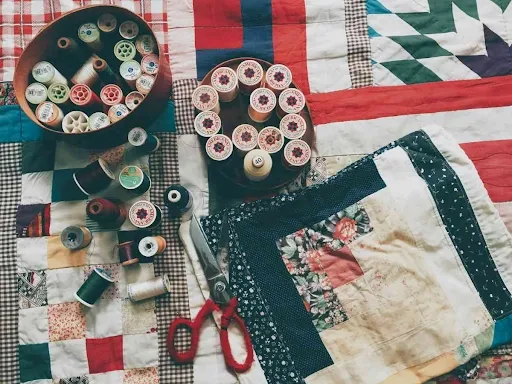
To make a pattern work year-round, choose versatile blocks and a neutral base, then change the accent fabric by season. A simple pieced block in cream reads as fall in rust and as spring in sage. Work with us to create custom embroidered table runners if you want a durable, reusable runner without sewing several versions, made in any motif and color with bulk pricing for venues that redress tables each season.
How Can You Make Quilted Table Runner Patterns Work Beyond Fall?
Make a runner year-round by separating the block from the season. A classic nine-patch or rail-fence block is not autumn on its own - the fabric makes it fall, so the same pattern in fresh colors becomes a spring or summer runner.
Pick versatile fabrics and a neutral binding, and keep one runner reversible for two seasons at once. Quilting is a long game: a study from 2012 on quilting and wellbeing linked the hobby to a stronger sense of purpose and relaxation, so building a small library of runners you rotate is time well spent.
Frequently Asked Questions About Fall Table Runner Patterns
What Are Fall Table Runner Patterns?
Fall table runner patterns are sewing and quilting designs for a long, narrow table cloth in autumn motifs - pumpkins, maple leaves, acorns, and harvest scenes - made in quilted, patchwork, appliqué, or reversible styles for seasonal decorating.
How Do You Make An Easy Fall Table Runner?
Cut and piece a simple top from quilting cotton, layer it with batting and backing, quilt the layers with straight lines, and bind the edges. A strip or patchwork design in autumn colors finishes in an afternoon.