

Table Runner Vs Tablecloth And Which One Should You Choose For Your Dining Table
Dining room discussions frequently lead to the question of table runner vs tablecloth. It usually starts with aesthetics before shifting towards practicality. Both options serve decorational and functional roles, and you don’t necessarily have to choose. This guide explores how the table, occasion, and the desired style affect the decision.

Key Takeaways
- Table runners highlight the center of a table and add decoration while leaving much of the surface visible. They work well for casual dining and modern styling.
- Tablecloths provide full coverage and protection, which makes them common for formal dining, events, and tables that need extra protection from spills.
- The choice between a table runner vs tablecloth often depends on table material, occasion, and how much protection or visual impact is desired.
- We supply high-quality custom tablecloths and table runners in a variety of sizes and styles for you to find the right option or combination.
Table of contents
-
Table Runner Vs Tablecloth
-
Tablecloth Or No Tablecloth - Which Option Works Better?
-
Style And Aesthetics Differences Between Table Runners And Tablecloths
-
How To Place A Table Runner Over A Tablecloth?
-
Using A Table Runner Without A Tablecloth
-
What Is The Proper Way To Use A Table Runner On A Dining Table?
-
How Table Runners Enhance Dining Table Decoration
-
How Tablecloths Improve Dining Table Appearance And Protection
-
What Is A Stewart Plaid Table Runner And When To Use It?
-
How To Choose Between A Table Runner And A Tablecloth?
Table Runner Vs Tablecloth
People often debate the differences between a table runner vs a tablecloth because both serve similar purposes but in noticeably different ways. A table runner is a long decorative strip placed along the center of the table, while a tablecloth covers the entire surface.
Each option changes the visual balance of the dining space. In practice, both also protect the table to some degree - the choice often comes down to how much coverage someone wants and the style of the space itself.
- Some homes favor minimal decor with visible wood grain.
- Others prefer the softness that fabric brings to the table.
Throughout this guide, we explore aesthetics, protection, practicality, and how each option fits different dining solutions.
What Is A Table Runner And How Is It Used On A Dining Table?
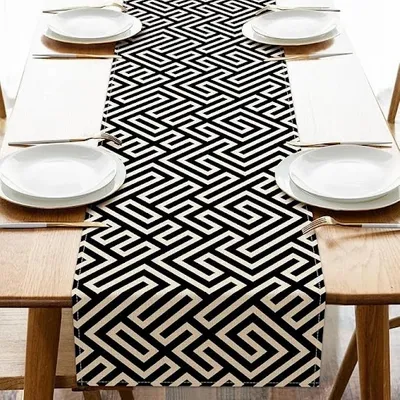
When someone asks what a table runner is, the simplest description is a narrow piece of fabric designed to sit along the center of a table. The shape is usually long and rectangular, allowing it to stretch from one end of the table to the other.
Many people place a table runner over tablecloth setups to add contrast or texture. Others use a runner on its own when they want to highlight the table surface underneath. Common materials include:
- Cotton
- Linen
- Polyester
- Seasonal fabrics that match holidays or special occasions
In everyday use, runners often support centerpieces, candles, or decorative bowls while still keeping most of the tabletop visible. Whether you choose a custom print-on-demand tablecloth or table runner, it must suit your aesthetic and functional vision.
|
Factor |
Table Runner |
Tablecloth |
Best Choice |
|
Coverage |
Partial |
Full |
Tablecloth for protection |
|
Style Effect |
Minimal / Layered |
Soft / complete |
Depends on decor |
|
Daily Maintenance |
Easier |
More involved |
Runner |
|
Spill Protection |
Limited |
Stronger |
Tablecloth |
|
Best For Wood Tables |
Good if you want grain visible |
Good if protection matters more |
Depends on finish |
|
Formal Occasions |
Moderate |
Strong |
Tablecloth |
|
Casual Meals |
Strong |
Moderate |
Table runner |
Table Throw Vs Tablecloth And Table Drape Vs Tablecloth: What’s The Difference?
The terms used for table linens can be confusing, especially when people hear phrases like table throw vs tablecloth or table drape vs tablecloth. While these items are related, they serve slightly different purposes.
- A tablecloth typically covers the entire surface of a table and hangs evenly on all sides.
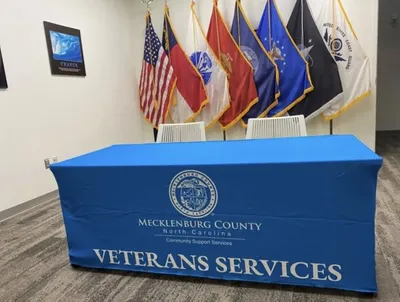
- A table throw usually drops closer to the floor and is commonly used for displays at events or trade shows.
- Table drapes are similar but often designed to fully conceal table legs and storage beneath.
Research from 2019 highlights how restaurant table linens are selected based on aesthetic presentation and durability.
In event settings, these differences matter even more because presentation plays a role in branding or decoration. For dining tables at home, the traditional tablecloth remains the most familiar option.
Tablecloth Or No Tablecloth - Which Option Works Better?
Some homeowners prefer a very simple approach when styling their dining table. Instead of choosing between a runner or a cloth, they sometimes decide on tablecloth or no tablecloth at all.
Certain surfaces look beautiful on their own, such as:
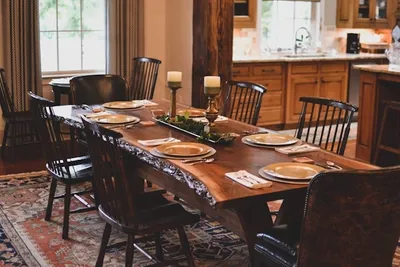
- Natural wood tables
- Stone surfaces
- Other decorative materials
In those cases, people may skip linens entirely. The minimalist approach highlights the craftsmanship of the table itself.
On the other hand, linens can soften the space and provide practical protection. Spills, heat from dishes, and daily wear are easier to manage when fabric is involved. What’s more, tablecloth drop length can help make a table look more casual or formal.
In many homes we have worked with, the final choice depends on the material of the table and the overall interior design style.
When To Use Tablecloth Vs Table Runner For Different Occasions
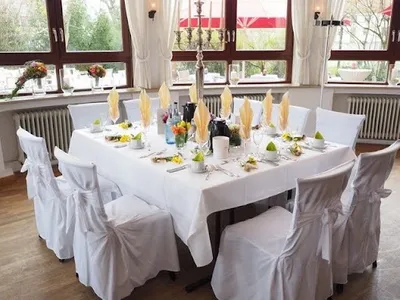
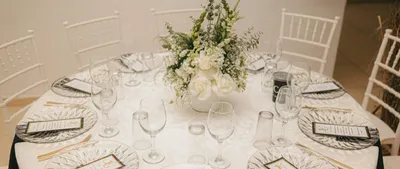
Different dining situations often call for different table linens. For formal dinners, holiday gatherings, or larger events, many hosts choose a tablecloth because it creates a complete and polished look. Casual meals tend to invite a lighter touch.
A runner down the center of the table can add decoration without covering the entire surface. In practice, we often see people combine both approaches. A runner layered across a tablecloth can highlight the center of the table and frame a centerpiece.
The occasion usually guides the decision:
- A relaxed weekend dinner might only need a runner.
- Celebrations or larger gatherings often benefit from the fuller appearance of a tablecloth.
Whatever you choose, remember that work by researchers shows that textile products are primarily chosen based on design harmony and functional needs.
Looking for customized table runners?
Work with us to create your own custom table runners in any size and design for a stylish layer on your table setting.
Style And Aesthetics Differences Between Table Runners And Tablecloths
The visual impact of a runner compared with a tablecloth can change the entire feeling of a dining space. For example, runners often create a modern or minimalist look because much of the table surface remains visible.
The minimalist approach works especially well with wood or stone tables that deserve attention. Tablecloths, by contrast, transform the appearance of the table completely. The dominant visual elements become:
- Fabric color
- Patterns
- Texture
Some homeowners enjoy the flexibility of switching cloths to match seasons or holidays. Others prefer the lighter decorative touch that runners provide. Learn how to decorate with table runners and enjoy a simple, minimalist look on your tables.
When we compare table runner vs tablecloth styling, the difference often comes down to whether the table itself or the linen becomes the focal point.
Practicality And Maintenance Of Table Runners And Tablecloths
Maintenance is another factor people often overlook when choosing table linens. Runners are usually smaller and easier to manage in everyday use. If something spills near the center of the table, the runner can simply be removed and washed.
A tablecloth requires more effort because of its size and coverage. The entire maintenance process can be more time consuming, involving:
- Washing
- Drying
- Ironing
At the same time, a tablecloth can protect the table more thoroughly during meals. In many households we have worked with, runners appear more frequently during daily meals while tablecloths come out for gatherings or holidays.
The decision often reflects how much cleaning effort someone wants to handle. The same goes for options elements like custom cloth banquet napkins.
Protection And Durability Of Table Runners And Tablecloths
Protection is often the deciding factor when choosing between a runner and a tablecloth. A tablecloth covers the entire surface, which means it shields the table from spills, scratches, and heat from serving dishes.
That level of coverage matters for delicate wood tables or surfaces that mark easily. A runner offers protection too, but mainly along the center of the table. It works well for decorative purposes or when most dishes sit in the middle. Many households combine runners with:
- Placemats that offer protected areas for plates to rest on.
- Coasters that protect against spills and condensation from drinkware.
In that arrangement, the runner adds style while placemats and coasters handle daily wear. When durability becomes the main concern, a full tablecloth usually provides more consistent protection.
How To Place A Table Runner Over A Tablecloth?
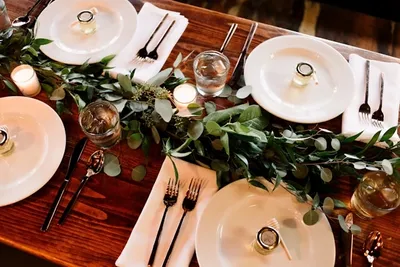
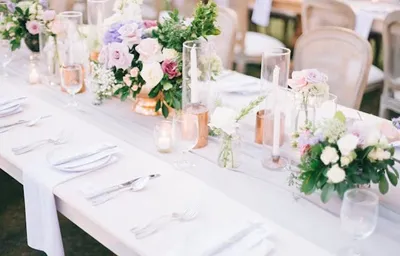
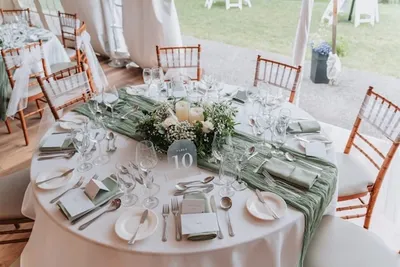
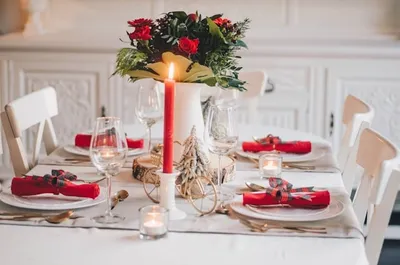
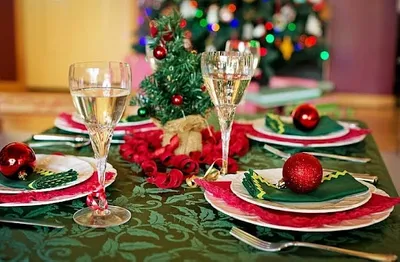
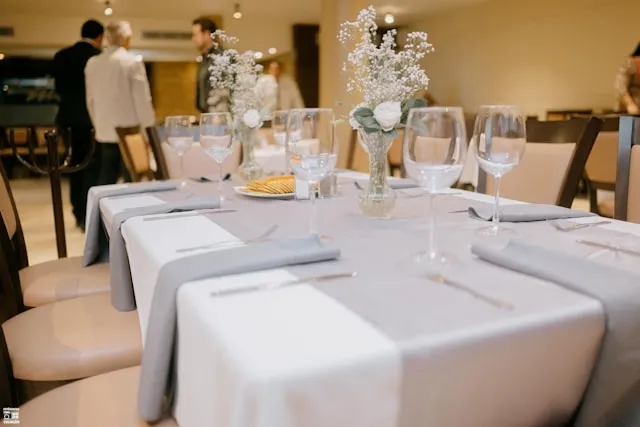
Layering linens can create a polished table setting when done thoughtfully. A table runner over tablecloth styling usually places the runner directly along the center of the table so it runs from one end to the other. The runner often extends slightly beyond the edge, creating a small decorative drop.
This layering technique draws attention toward the center of the table - this is where you might place:
- Candles
- Flowers
- Serving dishes
Color contrast often plays a role as well, as table runner ideas can vary. A neutral tablecloth paired with a darker runner can create depth and visual focus - the key is proportion. The runner should feel balanced on the cloth rather than appearing too narrow or overly wide.
Create your own tablecloth with us
Our custom printed tablecloths are made from polyester and can be crafted in any size, shape, and style to match your needs.
Learn moreUsing A Table Runner Without A Tablecloth
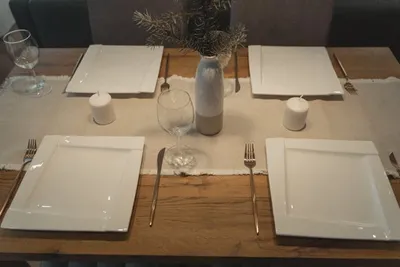
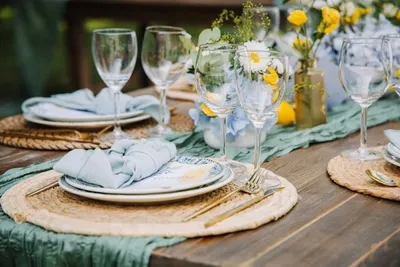
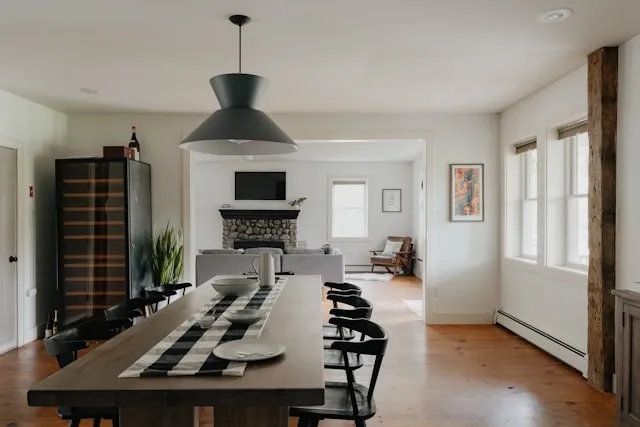
Using a runner on its own has become increasingly popular in many dining spaces. Instead of covering the entire table, the runner highlights the natural surface beneath it. This approach works especially well with wood tables to show off:
- Strong grain patterns
- Unique finishes
A study from 2018 explores the value of table runners as decorative dining elements, demonstrating how they influence social interaction and visual design.
When people debate tablecloth or no tablecloth styling, this middle option often appeals to both sides. The runner adds decoration while still allowing the table itself to remain visible. In everyday dining we often see runners paired with simple centerpieces or seasonal decor.
The result tends to feel relaxed and intentional. Many homeowners prefer this arrangement because it keeps the table visually open.
What Is The Proper Way To Use A Table Runner On A Dining Table?
There is more than one correct way to place a runner, which is part of the reason they remain popular in table styling. The most traditional placement runs lengthwise down the center of the table from one end to the other. This orientation highlights centerpieces and creates a clear visual line across the table.
Another approach places runners across the width of the table, sometimes one for each place setting. This method appears often in modern dining spaces or events. In both cases the runner acts as a decorative base for:
- Dishes
- Candles
- Floral arrangements
When people experiment with different placements, balance and proportion are usually the goals. Work with us to create custom personalized wedding table runners and pieces for other occasions and choose the size, colors, and bespoke design to get the perfect look for your vision at a great price.
Do You Need Placemats With A Table Runner?
Placemats are not required when using a runner, but they often make the setup more practical. A runner mainly decorates the center of the table, while placemats protect the areas where plates and utensils sit. Without placemats, those outer areas remain exposed to heat and spills.
In many dining rooms we see a simple combination of runner and matching placemats because it creates both style and function:
- The runner frames the centerpiece.
- Placemats define each place setting.
Some minimalist tables skip placemats entirely, especially when the table surface is durable. Research from 2016 shows the role of decorative textiles in domestic interiors, so the final decision should come down to your personal preferences for the table.
Need a branded table runner for a trade show booth?
With our service, you can create custom trade show table runners with any branded or themed design to stand out at a trade show.
How Table Runners Enhance Dining Table Decoration
Decorative accents often work best when they add interest without overwhelming the table itself. That balance is one reason runners remain popular. A well chosen runner introduces color, pattern, or texture along the center of the table while leaving space around it uncluttered.
Seasonal fabrics can change the atmosphere quickly:
- Light linen runners feel relaxed during summer meals.
- Heavier fabrics suit cooler months.
We often recommend choosing runners that complement existing decor such as custom cork coasters. When the colors echo nearby furniture or room accents, the table feels naturally connected to the rest of the space. Small details like that can quietly elevate the dining area.
How Tablecloths Improve Dining Table Appearance And Protection
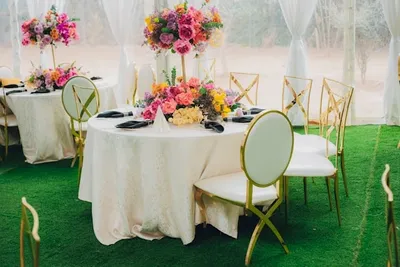
A tablecloth changes the entire appearance of a dining table in a single step. Because it covers the full surface, it creates a unified look that can feel polished and formal. This is one reason tablecloths appear frequently during holidays and special gatherings.
Here are the key benefits of tablecloths:
- Fabric softens the edges of the table and introduces color or pattern that shapes the mood of the room.
- Beyond aesthetics, the cloth also protects the table from spills, scratches, and hot serving dishes.
According to research, different textile layers contribute to visual storytelling in interiors, and tablecloths can be central to this.
For families with delicate wooden tables, this extra layer can prevent long term damage. In many homes we notice tablecloths reserved for larger meals or celebrations rather than everyday dining.
Choose custom tablecloths for displays or anything else
With our custom display tablecloths, you get a branded or stylized table cover that sets the foundation for any occasion where tables are present.
Get startedWhat Is A Stewart Plaid Table Runner And When To Use It?
Certain runner styles carry strong visual traditions, and plaid patterns are among the most recognizable. A stewart plaid table runner refers to a tartan pattern commonly associated with traditional Scottish designs.
The intersecting red, green, and dark lines create a bold yet familiar pattern that many people recognize immediately. These runners often appear during colder seasons, especially around fall and winter gatherings.
The interior styles that tend to pair well with plaid fabrics include:
- Rustic dining rooms
- Traditional interiors
The pattern also works nicely during holiday meals when people want a table that feels warm and inviting. In practice, the runner often becomes the visual centerpiece of the table decor.
How To Choose Between A Table Runner And A Tablecloth?
Choosing between these two options usually comes down to a few practical considerations. When people compare table runner vs tablecloth options, the best choice usually reflects how the table is used every day:
The material of the table often influences the decision first:
- Beautiful wood tables sometimes benefit from runners because the surface remains visible.
- More delicate tables may need the protection of a full cloth.
Style preferences are important too. Some homeowners prefer the clean simplicity of a runner, while others enjoy the softness and coverage of fabric across the entire table. Occasions play a role too: casual meals and formal gatherings rarely follow the same rules, so think about custom event tablecloths vs more casual alternatives.
Frequently Asked Questions About Table Runner Vs Tablecloth
What Is The Difference Between A Table Runner And A Tablecloth?
A table runner is a narrow decorative strip placed along the center of the table, while a tablecloth covers the entire surface. Runners highlight the table itself, whereas cloths create full coverage and protection.
Can You Use A Table Runner Without A Tablecloth?
Yes. Many people place runners directly on the table surface. This style highlights the natural table material while still adding a decorative accent through the center.